Le’Veon Moss retirement Dolphins shocks Miami — injury history and NIL-era choices loom large
Running back Le’Veon Moss abruptly retired from the Miami Dolphins in May 2026, days after signing as an undrafted free agent, citing injury history and the financial flexibility of NIL as key factors shaping modern NFL decisions.
Key takeaways
- Short stint: Moss signed with the Dolphins as a UDFA and was placed on the reserve/retired list about four days later.
- Injury concerns: Major injuries — a torn ACL/MCL in 2024 and an ankle issue in 2025 — are widely seen as central to the move.
- Money question: The UDFA guarantee (~$258,000) may be largely recoverable by Miami per local reporting.
- NIL context: The evolving NIL landscape adds a new financial calculus that could influence early retirements for fringe pros.
Key information — Le’Veon Moss retirement Dolphins
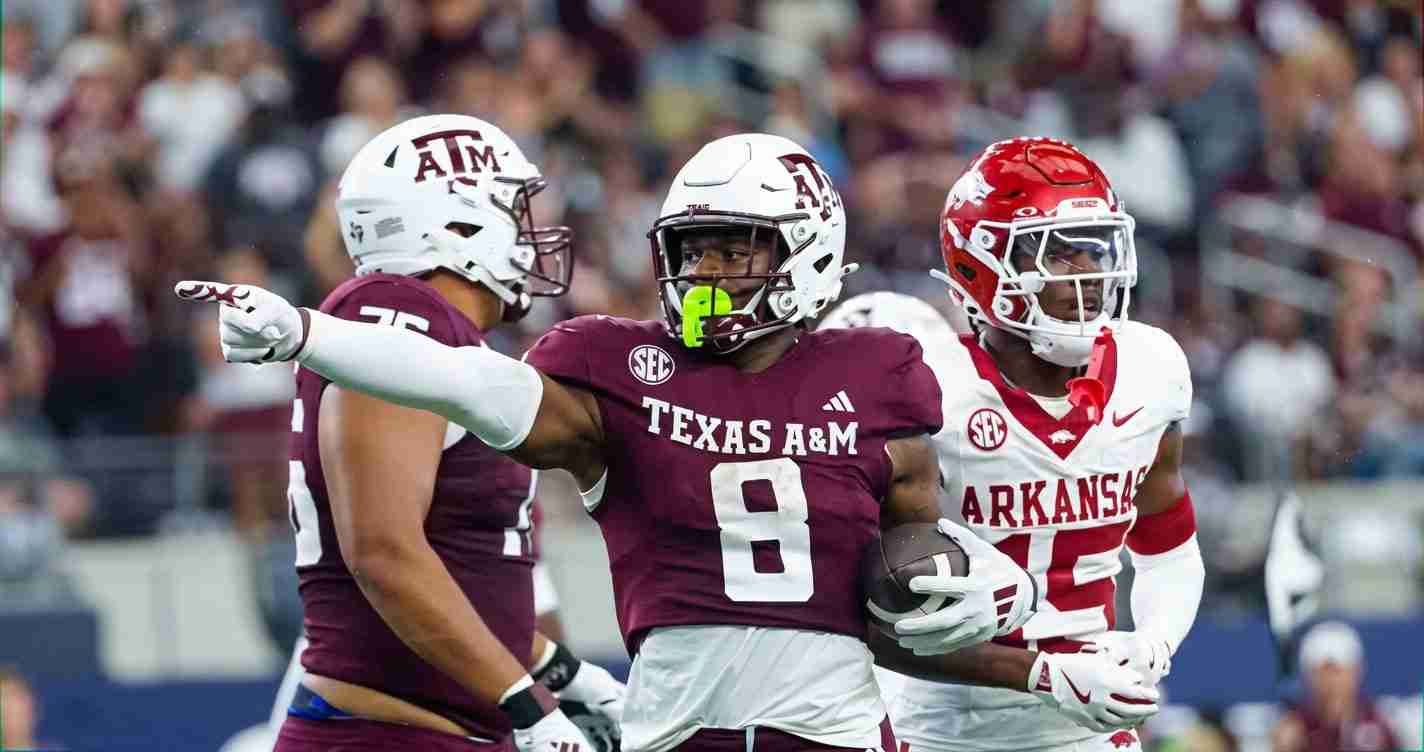
Player: Le’Veon Moss, 23, former Texas A&M running back.
Action: Signed with the Miami Dolphins as an undrafted free agent in early May 2026; placed on Miami’s reserve/retired list roughly four days later.
College production: 32 games, 1,767 rushing yards, 22 rushing touchdowns (Texas A&M career totals).
Injury history: Season‑ending torn ACL and MCL in 2024; ankle injury in 2025 that limited his final season.
Contract: Reported UDFA package included about $258,000 in guarantees; local reporting (Barry Jackson, Miami Herald) says Moss may have to return most or all of that money.
Public statements: No detailed public comment from Moss or the Dolphins explaining his decision beyond the transaction listing on the Dolphins’ website.
Sources: Miami Dolphins (miamidolphins.com), Miami Herald (miamiherald.com), Texas A&M athletics (12thman.com), reporting aggregated on Heavy.com and draft trackers.
Timeline and what happened on the ground
Moss went undrafted in the 2026 NFL Draft and signed with Miami during the immediate UDFA period. The Dolphins’ official roster move placed him on the reserve/retired list within days, effectively ending the short stint before full OTAs and organized team activities began. The team’s transaction post gave no further detail beyond the roster status change.
Beat writers and transaction trackers echoed the same timeline: Moss was with Miami for rookie minicamp activities and then informed the team he was stepping away. The move was described across outlets as sudden and abrupt, setting off two broad lines of discussion: the physical toll his injury history likely played in the decision, and the broader economic calculus for college stars in the NIL era.
Le’Veon Moss injury history and football reasoning
Moss’ college resume showed clear production and playmaking ability, but it was interrupted by major lower‑body injuries. In 2024 he suffered a torn ACL and MCL that ended his season. He returned for 2025 but sustained an ankle injury in the game against Florida that limited his final campaign. Those setbacks are widely cited by scouts and analysts as the primary reason he slipped out of the draft and landed in the UDFA pool.
For a running back, the combination of a reconstructed knee and subsequent ankle trouble raises durability questions. NFL scouts evaluate burst, change of direction, pad‑level and contact tolerance — all areas at risk after those injuries. Multiple analysts projected Moss as a late‑day draft pick or priority UDFA before the draft; the fact he went unsigned in the seven rounds suggests teams weighed his medical outlook heavily.
The most straightforward football explanation for his retirement: after firsthand work in minicamp with Miami’s staff, Moss and his advisors likely concluded the long‑term health risks and realistic upside did not justify continuing, a conclusion consistent with medical common sense about ACL/MCL recovery and running back workloads.
Contract details and financial fallout
Reports from Miami Herald reporter Barry Jackson and others noted Moss’ UDFA deal reportedly included roughly $258,000 in guaranteed money. Because Moss retired before training camp, team sources say he will likely be required to return most or all of that guarantee. Standard UDFA contracts usually include signing bonuses and guarantees that vest only if the player reaches roster‑making milestones.
Teams generally have contractual mechanisms to recoup guaranteed sums when a player voluntarily retires before earning them. That detail complicates the simple narrative that Moss walked away with a large paycheck — reporting indicates Miami will likely be able to recover most of the guarantee, though exact figures depend on contract structure and negotiations.
NIL impact NFL — a new factor in early retirements
One major theme in public reaction is the role of Name, Image and Likeness (NIL) in giving college athletes more financial options than in previous generations. Before NIL, many productive college players treated the NFL as an economic necessity. Since 2021, top players at major programs have been able to monetize their names on social media, local endorsements, and other platforms.
There is no public record of Moss’ exact NIL earnings. But as an All‑SEC running back at a major program like Texas A&M — and a contributor to a team that reached the College Football Playoff in 2025 — it is plausible he earned NIL income sufficient to soften the financial downside of walking away from an uncertain NFL path. That reality has changed the risk calculus for some fringe pros: when potential NFL earnings are low and physical risk is high, a stable financial base from NIL could tip the scales toward retirement or alternate careers.
Important caveat: This linkage is speculative in Moss’ case. No outlet has reported a direct quote from Moss saying he retired because of NIL earnings, but the public conversation frequently cites NIL as contextual background for the decision.
Why Miami seemed like a good landing spot — and why it made the decision more surprising
From a roster and opportunity standpoint, Miami looked like a favorable place for a UDFA back. The Dolphins entered 2026 with an unsettled depth chart behind lead back De’Vone Achane, creating a clear path to compete for the No. 2 role. For a talented but medically uncertain player, a club in a rebuilding phase often represents the best chance to stick.
That reality is why many fans and local writers framed the move as especially odd: Moss had a real shot to win meaningful playing time in Miami. His abrupt retirement therefore felt, to observers, like a missed opportunity — unless health or off‑field calculations made the choice inevitable.
What we still don’t know
- No public, detailed statement from Moss explaining the decision.
- No confirmed report of a new injury at Miami that precipitated the move.
- No public accounting of Moss’ NIL earnings or financial situation.
- Exact details of the guarantee recoupment remain private between Moss, his agent and the Dolphins.
Sources and reporting
- Miami Dolphins official site
- Miami Herald (Barry Jackson reporting)
- Aggregated coverage and transaction trackers (Heavy.com)
- Texas A&M athletics and player bios
Implications for San Luis Obispo, California
Economic and community angle
Local sports businesses and youth programs in San Luis Obispo may view the Moss case as a teachable moment about long‑term health planning and financial literacy for young athletes. High school and club coaches might use this example to stress injury prevention, education, and NIL planning.
Political and civic considerations
Moderate readers in San Luis Obispo tend to favor balanced public policy on education, youth sports and health funding. Moss’ retirement underlines the need for stronger support systems for injured college athletes — from medical care to financial advising — issues local policymakers and school boards can consider when allocating resources.
Social and cultural effects
The story may prompt community forums and school assemblies in SLO County around knee‑injury prevention and the long‑term costs of contact sports. Families weighing football for younger players may reference Moss’ experience when discussing risks and benefits.
Practical day‑to‑day impact
For fans and families, the Moss episode is another example of the volatile path from college to pro sports. For young athletes, it highlights the importance of backup plans — education, trades, and business skills — given how quickly a pro opportunity can end.
Reporting and follow‑up
Local sports reporters and community outlets in San Luis Obispo may wish to monitor any future statements from Moss, follow the financial resolution around the UDFA guarantee, and use this case to explore NIL education and athlete medical care at nearby universities and high schools.
Note: This report preserves facts and sourcing as published by the Miami Dolphins, Miami Herald, Texas A&M athletics and aggregated transaction trackers.