DeLauro and Zeldin Clash Over EPA’s 52% Budget Cut; Loper Bright Rises at Center of Heated Hearing
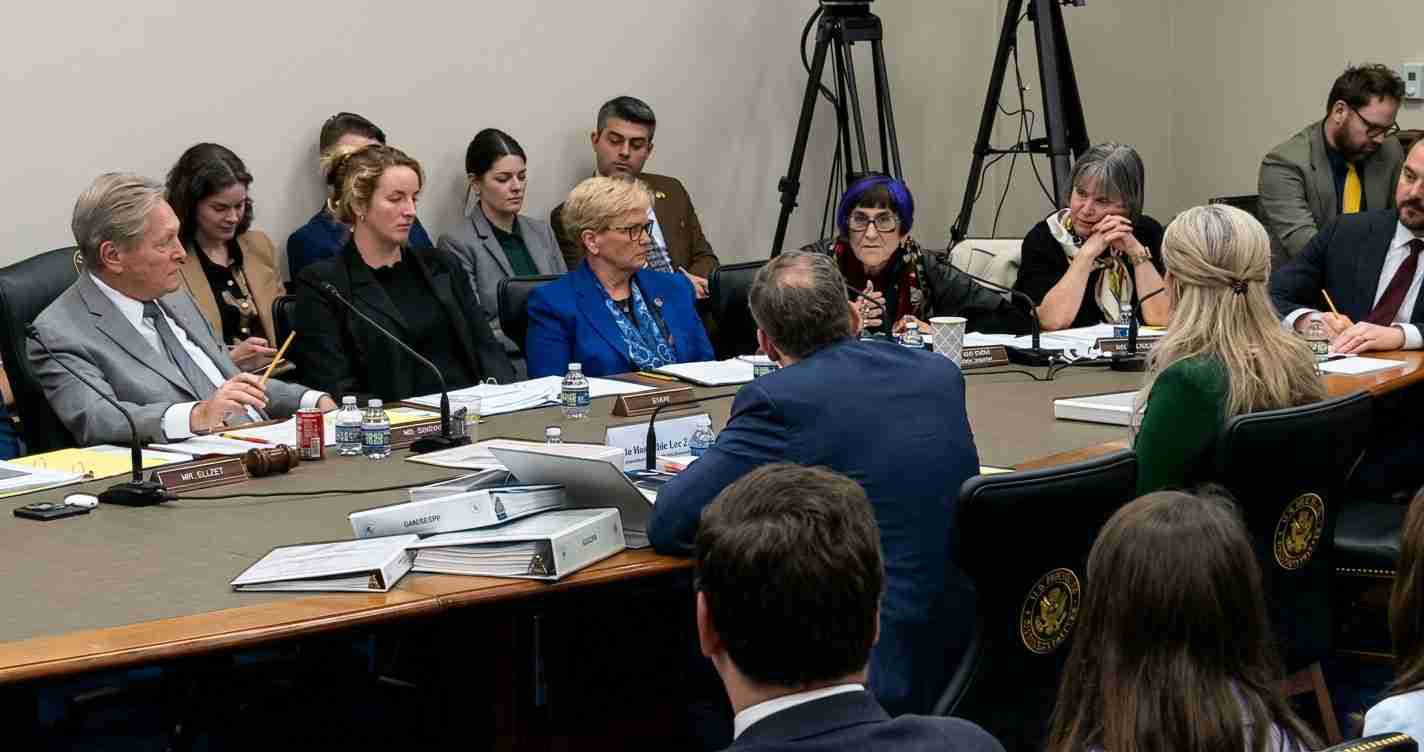
At a contentious House hearing, Rep. Rosa DeLauro and EPA Administrator Lee Zeldin clashed over a proposed roughly 52% cut to the EPA’s 2027 budget, a fight that highlighted Loper Bright’s impact on agency authority and deep partisan divisions.
Key takeaways
- Budget change: The Biden administration’s 2026 EPA budget was about $8.82 billion while the Trump administration’s 2027 request seeks roughly $4.2 billion — a reduction of about 52% (see Fox News reporting).
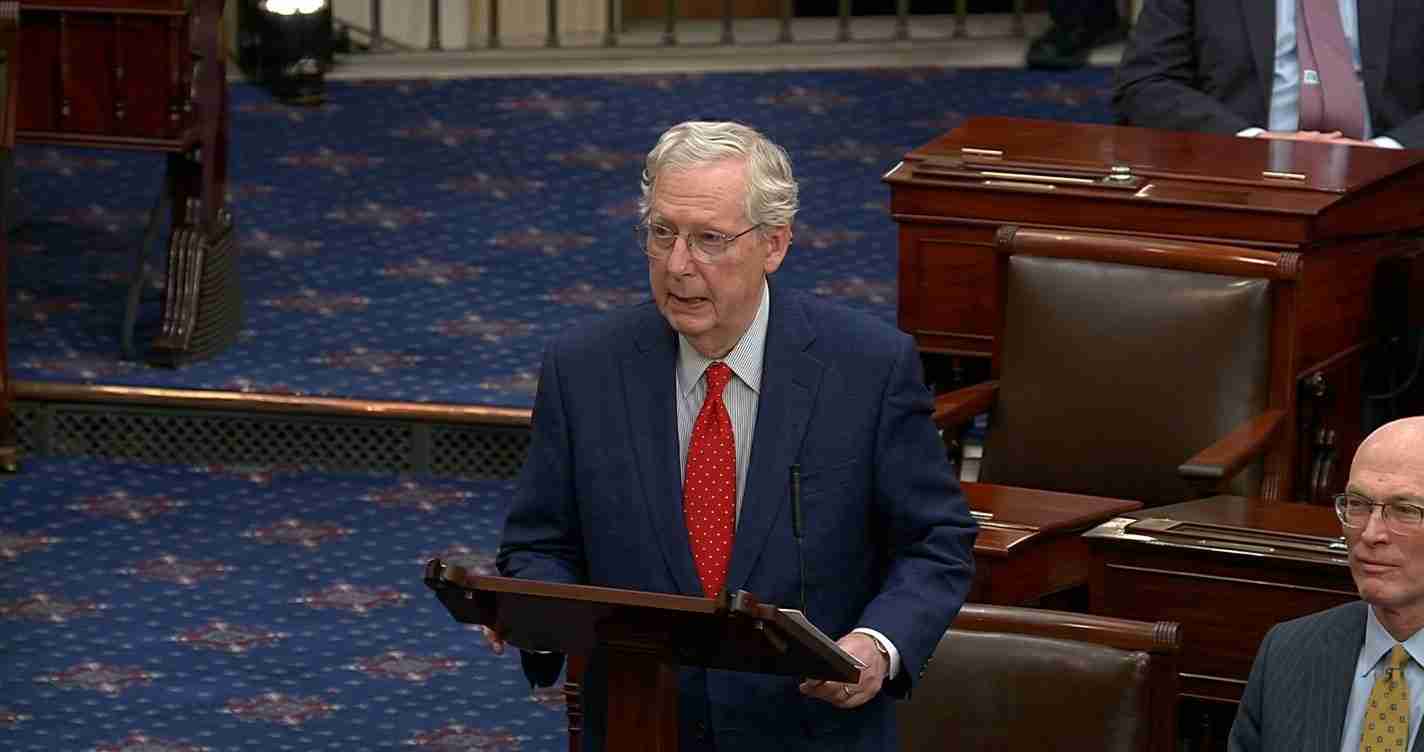
- Heated exchange: Rep. Rosa DeLauro called the proposal “a climate change denier’s manifesto” while Administrator Zeldin defended the cuts and cited the Supreme Court’s Loper Bright decision (see the congressional hearing video and related hearing footage).
- Legal backdrop: By invoking Loper Bright Enterprises v. Raimondo, Zeldin argued agencies have more limited authority to interpret statutes, shifting how the EPA may frame rules and budgets (coverage: Fox News reporting).
Hearing highlights and the exchange on Loper Bright
Context: At the House hearing on the EPA’s 2027 budget request, Rep. Rosa DeLauro pressed Administrator Zeldin about language she said minimized or dismissed climate science and its costs. “The budget proposal reads like a climate change denier’s manifesto,” she said, pointing to health, flooding and air-quality impacts the agency appeared ready to ignore (see the hearing video).
Zeldin’s response: He pushed back, arguing the agency lacked legal authority to make certain determinations without clear congressional language and cited the Supreme Court’s Loper Bright decision. During the exchange he told DeLauro,
“You’re upset that you don’t know what Loper Bright is… You’re a member of Congress. You should know.”
He also offered to explain that case and another recent ruling during the hearing (video and reporting: hearing footage; Fox News reporting).
DeLauro attempted to respond but was repeatedly cut off; she warned, “You do not have the right to say climate change does not exist, that it’s a hoax,” accusing the administration of minimizing climate threats (see the hearing footage).
What is Loper Bright and why it mattered in the hearing
Overview: Loper Bright Enterprises v. Raimondo is a 2024 Supreme Court decision that narrowed judicial deference to federal agencies’ statutory interpretations, moving away from the long-standing Chevron doctrine. By invoking Loper Bright, Zeldin signaled that the EPA’s room to act without explicit congressional language is more constrained than in prior years (primary video and coverage: hearing footage; Fox News reporting).
Budget specifics and political debate
Numbers: The Biden administration’s 2026 EPA budget stood at about $8.82 billion; the Trump administration’s 2027 request seeks roughly $4.2 billion — a reduction of about 52% (see Fox News reporting).
Positions: Zeldin defended the cuts, arguing for a narrower agency role strictly tied to statutory authority and warning against regulatory overreach. Democrats, led by DeLauro, countered that the cuts would gut air and water protections, enforcement against polluters, and climate-related monitoring and research (see the congressional hearing video).
The exchange went viral, with conservative commentators praising Zeldin’s legal point and others criticizing him for cutting off a senior lawmaker. Clips and coverage circulated widely online (video clips: congressional hearing video; hearing footage; coverage: Fox News reporting).
Implications for San Luis Obispo, California
Local impacts would depend on how federal cuts translate into reduced grants and programs. San Luis Obispo County relies on healthy air, water, and a resilient coast to support tourism, agriculture, and small businesses. Below are specific local implications and practical steps residents and officials can consider.
Economic impact
Large cuts in EPA funding could reduce federal grants for water-quality projects, pollution monitoring, and environmental cleanups. Projects like watershed restoration and cleanup of legacy contamination often depend on federal funding; deep cuts could slow or halt efforts, increasing costs for local governments and ratepayers (context: hearing video).
Political consequences
Local officials may face pressure to respond if federal programs are reduced. County and city leaders might seek state funding or reallocate local budgets to cover gaps in monitoring or public health work. The hearing highlights the tension between federal policy and local priorities — a dynamic likely to surface at city council and county supervisor meetings (hearing video: congressional hearing video).
Social effects
Residents concerned about wildfire smoke, coastal flooding, and water quality may worry that fewer federal resources mean weaker protections. Communities already coping with wildfire-related air pollution and water scarcity could see monitoring and emergency-response services scaled back, affecting public health and resilience planning (source: hearing video).
Cultural relevance
San Luis Obispo’s identity is tied to outdoor recreation, coastal access, and agriculture. Policies that reduce environmental protections or scientific monitoring can erode community trust and inflame conflicts between development and conservation interests. The hearing’s partisan tenor may influence local debates about science and government roles.
Practical applications for residents
- Water and air monitoring: Expect potential delays or cuts to programs that fund monitoring networks; follow local air-quality indexes and county public health notices for updates (hearing context: congressional hearing video).
- Grants and local projects: Nonprofits and agencies that rely on EPA grants should track federal appropriations and state alternatives; plan contingencies for delayed or reduced funding (budget reporting: Fox News reporting).
- Civic engagement: Residents can contact members of Congress to express priorities; with legal shifts like Loper Bright, Congress can determine program authority and funding (legal context: hearing footage).
Reporting and next steps
The DeLauro–Zeldin exchange spotlights two linked debates on Capitol Hill: EPA funding levels and agency authority after recent Supreme Court rulings. The budget and appropriations process will continue in committees this spring; local officials in San Luis Obispo will monitor how federal cuts, legal limits, and state responses affect regional programs and protections (hearing and reporting sources: congressional hearing video; hearing footage; Fox News reporting).
Source notes and what’s missing
Available coverage focuses on the viral exchange and budget numbers. Full hearing transcripts will provide fuller context; neither an expanded written statement from Zeldin nor a complete written response from DeLauro appears in the cited sources. For immediate footage and reporting, see the congressional hearing video, related hearing footage, and the Fox News reporting.