Washington Post Pushes Back After Elizabeth Warren Blames Trump for Monday Night Football Blackout
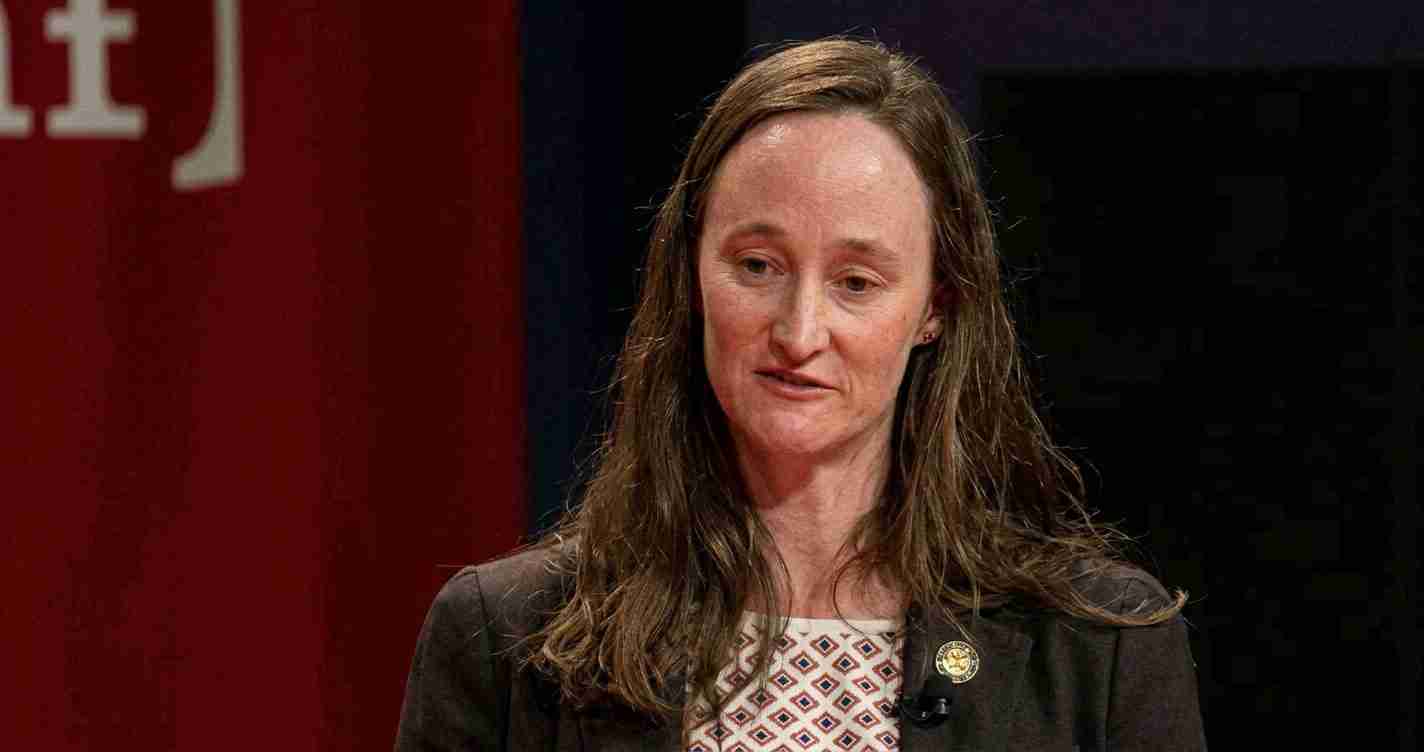
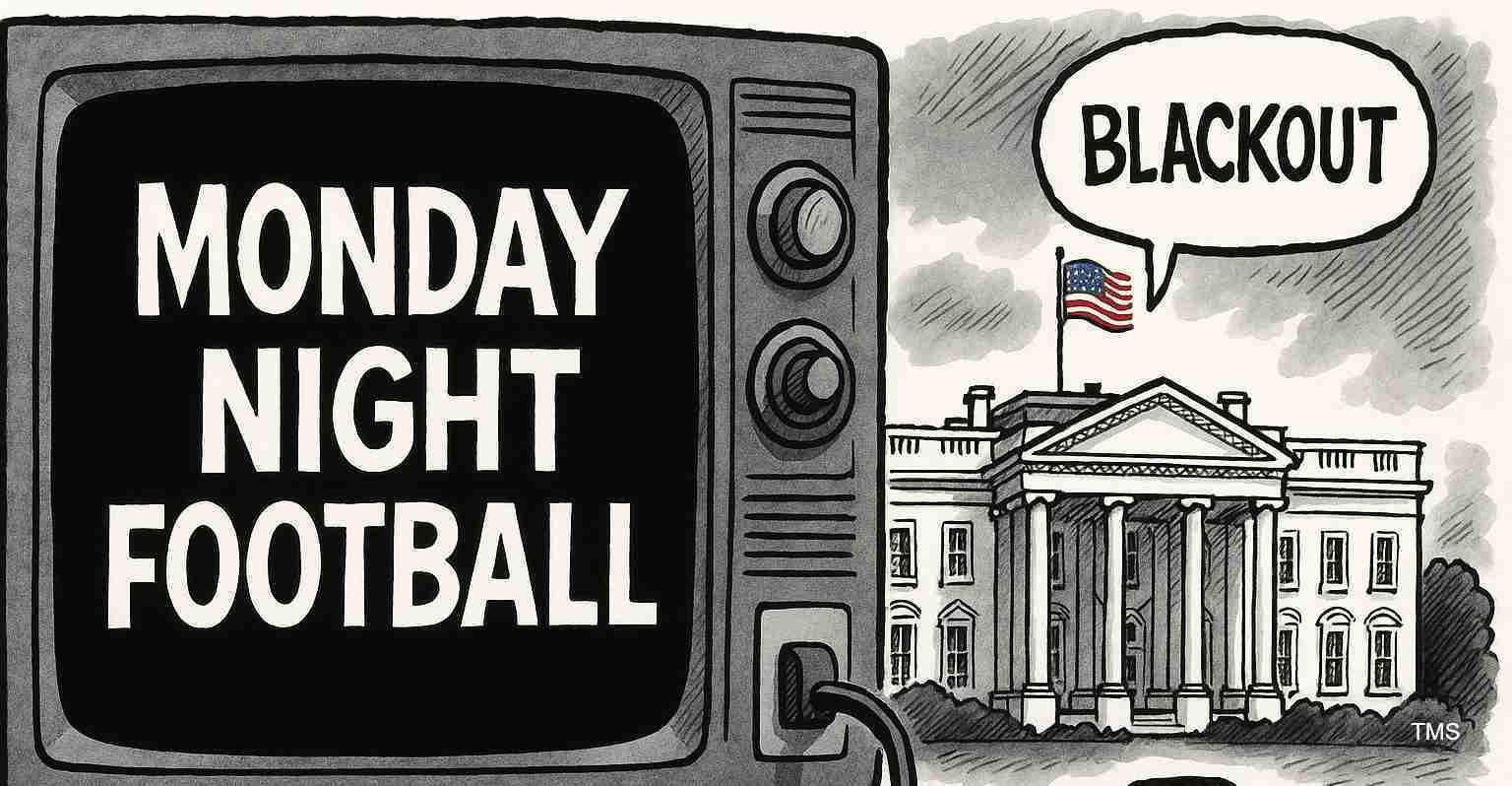
WASHINGTON — Senator Elizabeth Warren blamed former President Donald Trump for a YouTube TV blackout of Monday Night Football amid a Disney–Google carriage dispute, sparking a public rebuttal from The Washington Post editorial board.
- What happened: Disney-owned channels including ESPN went dark for YouTube TV subscribers after Disney and Google/YouTube TV failed to reach a carriage deal.
- Warren’s claim: She tied the blackout to weak enforcement of corporate power under the Trump administration and urged stronger antitrust action.
- Pushback: The Washington Post editorial board and others said the outage resulted from a private negotiation, not a direct presidential policy decision.
What took place: the blackout and the corporate fight
Disney and Google (which operates YouTube TV) entered a licensing standoff over fees and contractual terms for carrying Disney-owned channels, including ESPN. When the companies did not reach a deal, some YouTube TV subscribers temporarily lost access to those channels and live sports, including Monday Night Football.
Carriage disputes like this arise when content owners and distributors negotiate retransmission fees and rights. Networks sometimes pull feeds during talks to gain leverage; while the dispute unfolded, Disney directed viewers to alternatives and options via a public guidance page. For a summary and on-air discussion of the exchange see the reporting and on-air discussion.
Warren’s post and the arguments she raised
Sen. Warren took to social media to highlight the blackout and link it to a broader pattern she frequently raises: concentration of corporate power. She argued that when firms grow too large, they can cut off consumers’ access and that the administration had not done enough to prevent such dominance.
“You might not be able to watch Monday Night Football tonight. Why? When companies get too big, they have the power to cut off your favorite channels…What’s Trump done about it? He’s let them get away with it.”
Warren has long advocated for stronger antitrust enforcement and limits on the size and influence of major tech and media firms; in this case she used the blackout to underscore that view (see the public video recap and discussion of the dispute and responses).
Washington Post and other critics push back
The Washington Post editorial board publicly challenged Warren’s framing, arguing the immediate cause was a private negotiation breakdown between independent companies, not a direct outcome of presidential action. Editorial writers and commentators emphasized that carriage disputes are routine and that temporary blackouts have recurred for years.
Commentators in media discussions criticized calls for government intervention in the middle of a private contract dispute; some described such intervention as overly authoritarian, while others argued stronger oversight or clearer rules could be appropriate tools to reduce future blackouts (see the source video).
Context: antitrust, consolidation and the limits of blame
Experts note two related issues: the business mechanics of carriage agreements and the broader policy debate over media consolidation. Retransmission negotiations determine how distributors pay to carry channels; when talks break down, viewers can lose access briefly as both sides seek leverage.
Warren’s broader point — that large companies can wield consumer-harming power — is a longstanding element of antitrust debates. Analysts said that while the blackout illustrates consumer frustration with concentrated media markets, attributing this specific blackout directly to Trump-era deregulation is an overreach; most viewed the episode as a normal market negotiation rather than a straightforward policy consequence (see the referenced discussion).
Reaction and broader audience response
The exchange produced sharp reactions across the political spectrum. Supporters of Warren said it illustrated why stronger oversight is needed to protect consumers; critics said she mischaracterized a business negotiation for political gain.
On social and broadcast media, debates focused on whether government should step in to force deals between private companies. Some argued intervention could protect consumers short-term but risk setting a problematic precedent; others said better antitrust tools and clearer carriage rules could reduce blackouts over time.
What this means for viewers and subscribers
For affected consumers the impact was immediate: some YouTube TV subscribers could not watch ESPN, Monday Night Football, and other Disney channels until a deal was reached. Disney encouraged customers to try alternate providers while the standoff continued.
Blackouts can push subscribers to other services, spur complaints, and increase pressure on elected officials to consider policy responses. Consumers were advised to seek alternatives and monitor updates from providers.
Implications for San Luis Obispo, California
Economic impact
Local businesses reliant on live sports broadcasts — bars, restaurants and viewing venues in San Luis Obispo County — may see reduced midweek traffic and sales during a blackout. Households following college and pro sports could face frustration and extra costs if they must switch services.
Political consequences
The dispute can intensify local discussions about corporate power and regulation. Constituents may contact local officials with complaints; how representatives respond could influence voter perceptions ahead of future elections.
Social effects
Community watch parties and campus events may be disrupted, reducing local engagement and small revenue streams. The episode may prompt increased civic interest in how media markets operate.
Cultural relevance
Sports are a cultural touchstone in San Luis Obispo. A blackout of a major game can heighten local frustration about national media markets and large corporate influence on everyday life, reinforcing debates over consolidation and consumer access.
Practical applications for residents
- Check alternate providers: Verify whether other services in your area carry the game; Disney provided alternatives during the dispute (see the referenced discussion).
- Short-term fixes: Local venues may post where games are shown; call ahead or check business social pages.
- Consumer advocacy: Report outages to providers, share experiences with local media, and contact elected officials if you believe the issue reflects larger policy problems.
Source notes and reporting
This article draws on public reporting and recorded commentary summarizing the Disney–Google/YouTube TV dispute, Senator Warren’s social media comments, and The Washington Post editorial pushback. A recorded segment that included Warren’s quote, the corporate context, and reactions is available here.
Ongoing coverage
Coverage will continue as companies negotiate longer-term terms and as lawmakers consider whether new steps are needed to address carriage disputes or broader media consolidation concerns.