Shutdown Already Costing Taxpayers $1.2 Billion in Backpay as Schumer Faces Criticism
The government shutdown has triggered roughly $1.2 billion in mandatory backpay for furloughed federal workers, underscoring immediate economic strain as Senate Majority Leader Chuck Schumer faces intensified public and political criticism over the funding stalemate.
- Estimated cost: About $1.2 billion in wages owed to furloughed federal employees during the funding lapse.
- Legal guarantee: The Government Employee Fair Treatment Act of 2019 requires backpay once appropriations are restored.
- Political fallout: Senate Majority Leader Chuck Schumer is a central target of criticism even as blame is contested.
- Local impact: Communities such as San Luis Obispo may face reduced consumer spending and service disruptions while workers await pay.
How the $1.2 billion figure was reported
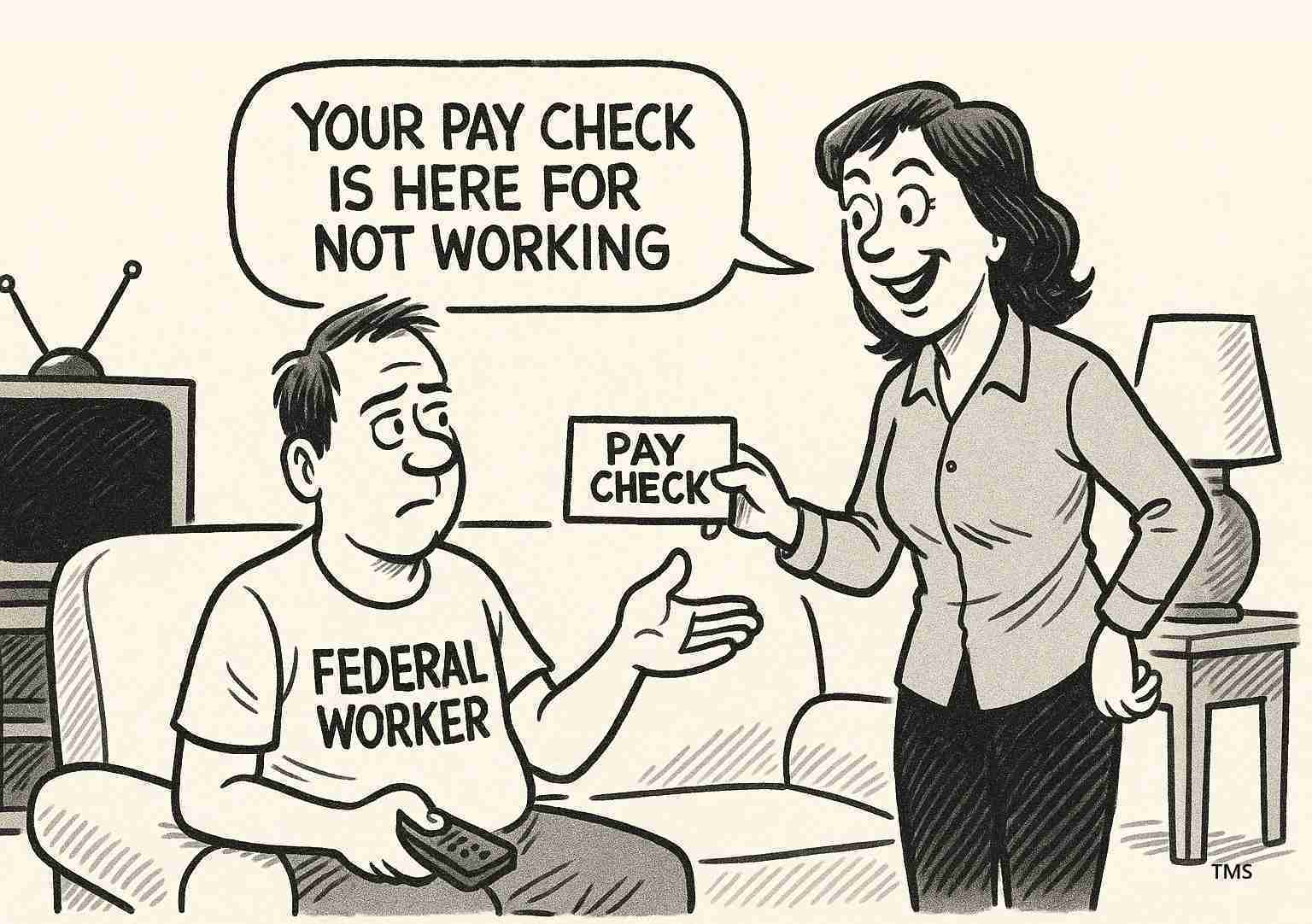
Media tracking of the shutdown places immediate payroll obligations at roughly $1.2 billion, representing wages owed to federal employees furloughed during the lapse in funding. Those workers are not performing regular duties while the shutdown persists, but federal law guarantees retroactive compensation once funding is restored.
What the Government Employee Fair Treatment Act of 2019 requires
The Government Employee Fair Treatment Act of 2019 mandates that employees furloughed during a funding lapse receive backpay after Congress passes appropriations. The law was designed to reduce economic harm from short-term disputes by ensuring that furloughed workers are ultimately compensated.
How shutdowns work and who is affected
A government shutdown occurs when Congress does not pass appropriation bills or a continuing resolution. Nonessential operations pause, furloughed employees are sent home without pay, and essential staff may be required to work unpaid. The backpay guarantee does not prevent near-term cash-flow problems for affected households.
Political fallout and Chuck Schumer criticism
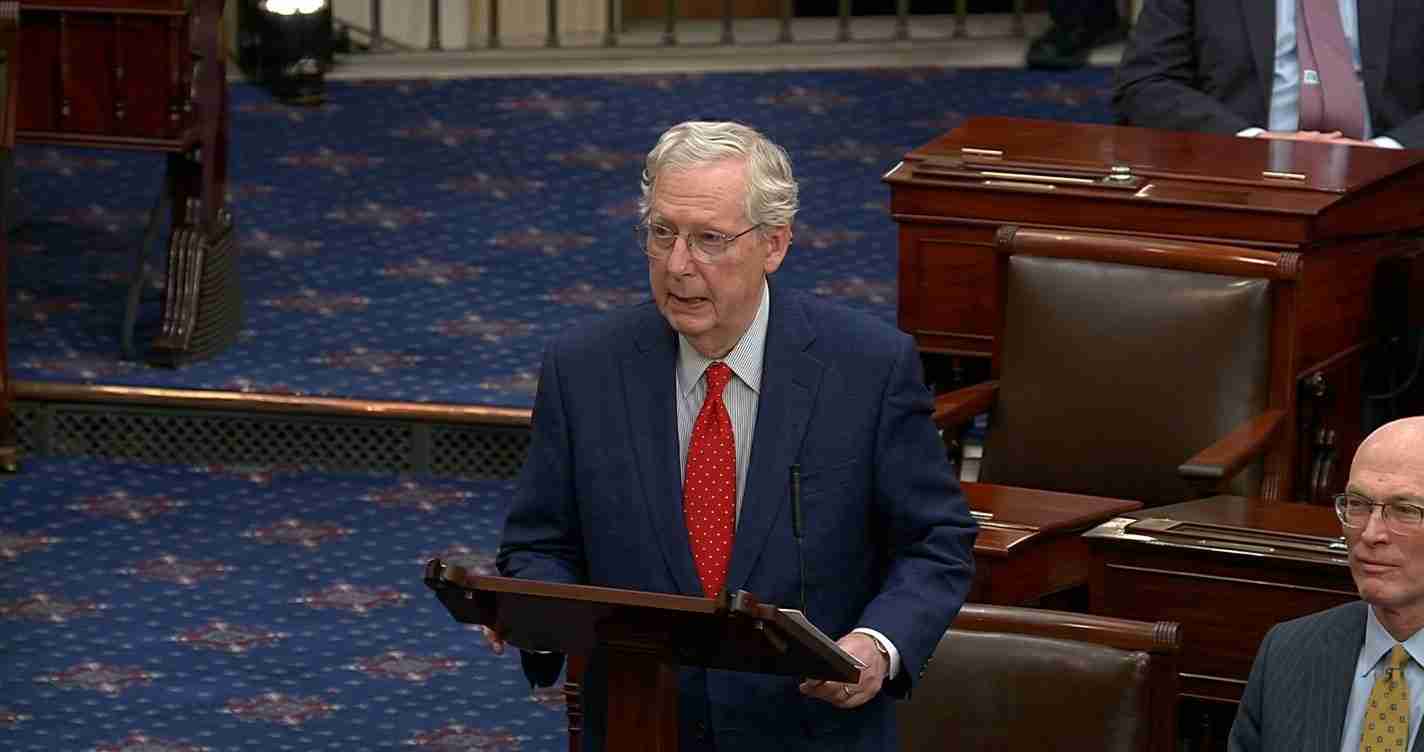
Political coverage shows Senate Majority Leader Chuck Schumer is receiving substantial public criticism tied to the impasse. Schumer has blamed other actors, including former President Trump, while critics say he could do more to unite colleagues. Supporters note responsibility is shared across branches and parties.
“The dispute over responsibility is fueling headlines and public frustration as the government shutdown cost mounts.”
Possible trajectory: costs can rise if shutdown continues
The $1.2 billion figure covers obligations to date; each additional day of a shutdown increases unpaid wages and potential backpay under the 2019 law. Extended closures can also add costs through delayed contracts, slowed grant payments, and broader economic ripple effects.
How federal employees and agencies are reacting
Furloughed workers face immediate financial strain—mortgages, rent and bills may go unpaid in the short term even though backpay is legally guaranteed later. Agencies must complete administrative work to restore operations and calculate payments, creating additional costs and logistical complexity.
Accuracy and source notes
This report relies on recent coverage that cites the $1.2 billion estimate and explains the role of the 2019 law in guaranteeing backpay. The primary reporting summarized here is available in the Press & Sun-Bulletin report. A separate search result returned an unrelated retail industry page that does not address the shutdown: retail industry page.
Implications for San Luis Obispo, California
Economic impact: San Luis Obispo County—home to federal employees, contract recipients and residents who rely on federal benefits—may see reduced consumer spending if local federal workers miss paychecks. Delays to federal grants and contracts could ripple through the small-business community.
Political consequences: Local voters may respond to national leadership turmoil; officials could face pressure from constituents to seek a swift funding resolution. The focus on Chuck Schumer criticism could influence local perceptions of federal leadership.
Social effects: Families may experience short-term stress; community services such as food banks could see higher demand. Nonprofits and local governments might coordinate short-term assistance even though backpay is ultimately guaranteed.
Cultural relevance: The guarantee of backpay under the 2019 law offers some reassurance, but the shutdown underscores public expectations for stable funding and reliable services.
Practical applications for residents
Residents should prepare for service interruptions—permitting, federal benefit processing and other interactions may be delayed. Federal employees should consult their human resources offices about furlough status and timelines for backpay. Local service organizations and employers should be ready to assist workers facing temporary income gaps.
Sources
For the original reporting and further details, see the Press & Sun-Bulletin report. An unrelated editorial index found during searches is available at retail industry page.