Senate passes funding bill as Democrats cross aisle, reopening government despite no immediate ACA subsidy deal
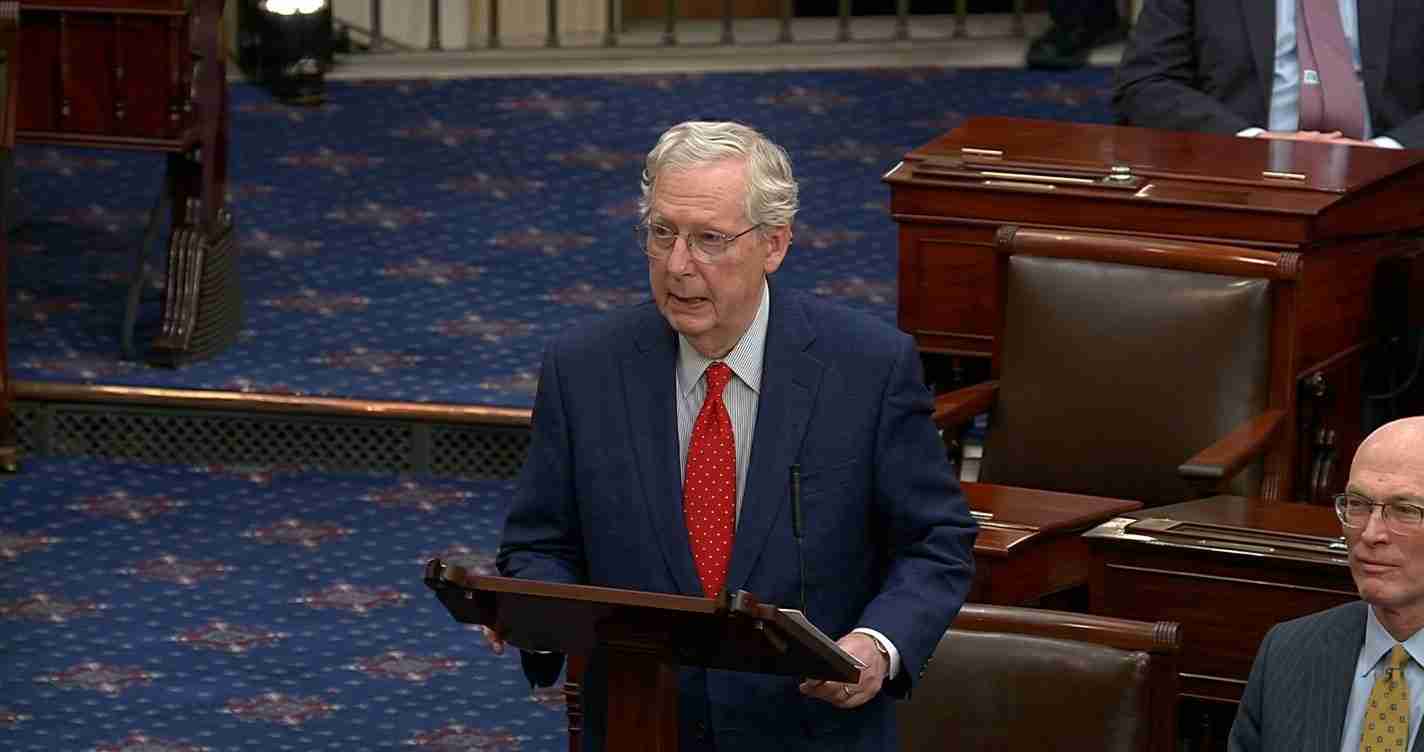
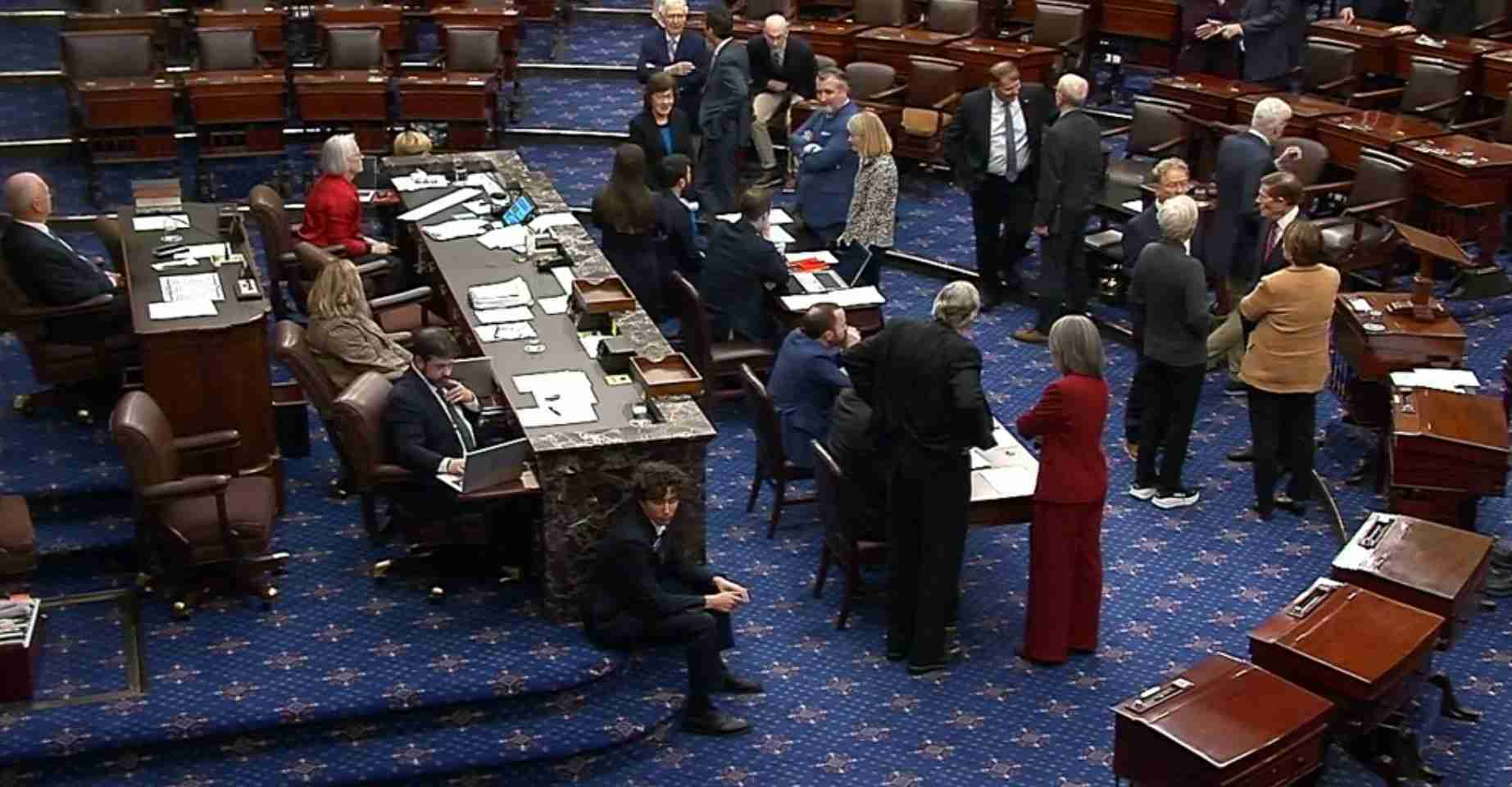
The U.S. Senate voted 60-40 to advance a stopgap funding bill, reopening parts of the federal government and ensuring back pay for furloughed workers after eight Democrats crossed the aisle — despite no immediate extension of enhanced ACA subsidies.
- Vote advances debate: Senate invoked cloture 60-40 on H.R. 5371, clearing the way to consider the measure on the floor. Sources: Politico and CBS News.
- Party crossover: Eight Senate Democrats joined Republicans after 14 failed attempts to end the shutdown, a move that quelled the immediate crisis but drew ire from progressives. Source: CBS News.
- ACA subsidies unresolved: No binding extension was included; Majority Leader John Thune pledged a December vote on extending enhanced subsidies, with Democrats controlling which bill comes to the floor. Source: Politico.
Key information
Vote: The Senate voted 60-40 to invoke cloture on the motion to proceed on H.R. 5371, a procedural step that clears the way to consider the funding measure on the floor. Source: Politico and CBS News.
Party crossover: Eight Senate Democrats joined Republicans to advance the bill after 14 failed attempts to end the shutdown. Source: CBS News.
ACA subsidies: No guaranteed extension of enhanced ACA subsidies was locked into the deal. Instead, Senate Majority Leader John Thune promised a December vote on whether to extend the subsidies that expire at year-end; Democrats will control which extension bill comes to the floor. Source: Politico.
Funding details: The stopgap measure funds some departments for the full fiscal year — including Agriculture and the Department of Veterans Affairs — while most other agencies receive short-term funding through Jan. 30. Source: Politico.
Federal employees: The agreement ensures that federal workers furloughed during the shutdown will be rehired and receive back pay. Source: Politico.
Progressive backlash: Sen. Bernie Sanders and other progressives condemned the move, warning it risks higher health premiums and Medicaid cuts if enhanced subsidies lapse. Source: Fox News.
What the vote did — and did not — do
The cloture vote was procedural. By a 60-40 margin, the Senate agreed to move forward with debate and amendment on H.R. 5371. That step does not by itself pass a long-term budget. Instead, it opens the path to voting on the short-term package that would end the shutdown for most agencies and leave key decisions, like the fate of enhanced ACA subsidies, to later negotiations.
Several Democrats who voted with Republicans said they did so to get the government open and return paychecks to federal employees. Their support came after more than a dozen failed attempts to break the impasse. But critics note that Democrats received no binding promise that the subsidies — which lower premiums for millions — would remain extended beyond the calendar year. Politico explains that Majority Leader John Thune pledged a December vote on an extension, with Democrats having control over what exact bill will be considered.
Progressive objections and policy stakes
Progressive senators and advocates argued the move shortchanged vulnerable Americans. Sen. Bernie Sanders called the vote “very, very bad,” saying it could lead to higher premiums for more than 20 million people and pave the way for Medicaid cuts he warned would cost lives. Sanders and others pointed to studies linking Medicaid loss to higher mortality and to Congressional Budget Office estimates that expiration of enhanced ACA subsidies would sharply raise insurance costs for many marketplace enrollees. Those comments were reported in coverage of Sanders’ response: Fox News.
“This vote risks higher premiums and cuts to Medicaid that will harm working families,” said progressive critics in public statements following the roll call.
Supporters of the Democrats who crossed the aisle, and some of the defectors themselves, countered that reopening government and securing back pay were urgent priorities. They also emphasized that the December vote promise gives Democrats leverage and time to craft a target bill that could protect subsidy recipients. Politico notes that Democrats will control which legislation comes up for that vote.
Details of the continuing resolution
Under the stopgap continuing resolution (CR) attached to H.R. 5371, key programs are treated differently. Agriculture and the Department of Veterans Affairs would get funding for the full fiscal year. Most other federal agencies would be funded only until Jan. 30, giving lawmakers a short window to finalize FY 2026 budgets or another stopgap. The CR also contains various policy riders and technical fixes typical of short-term funding measures. See the agency breakdown in Politico.
Impact on federal workers and services
One immediate effect is that many furloughed federal employees will return to work and receive back pay. That includes employees in national parks, veterans health facilities, agricultural inspections, and many other services that were scaled back during the shutdown. CBS News covered the human cost of the shutdown and the relief the vote promises for affected workers.
Political dynamics and intra-party strain
The vote underscored strains within the Democratic caucus. Progressive lawmakers argued their colleagues who voted to advance the bill prioritized short-term gains over long-term health protections. On the other side, centrists and some moderates argued that reopening government was the pragmatic priority, and that a later, focused fight over ACA subsidies offered a better chance to win protections for enrollees.
Republicans framed the result as a win for fiscal discipline and for reopening government, while promising to press for policy wins on their terms. The dynamics set up a tense December calendar, where the promised vote on subsidies and further negotiations over spending will play out.
Sources and further reading
Implications for San Luis Obispo
Economic impact
Reopening parts of the federal government should bring quick relief to local economies that were affected by reduced federal services. Federal contractors, small businesses that serve government employees, and vendors in the Central Coast may see delayed invoices paid and contracts restarted. San Luis Obispo County includes residents who work for federal agencies or businesses that serve them, including veterans’ services and agriculture inspection work. The return of furloughed workers and back pay will put money back into local shops, restaurants and service providers.
Healthcare and ACA subsidies future
The unresolved status of enhanced ACA subsidies matters for many Californians. While California runs its own exchange and has state-level supports, loss of federal subsidy enhancements would raise premiums and out-of-pocket costs for marketplace enrollees across the state, including in San Luis Obispo County. Local clinics and community health centers could see increased demand if more residents find coverage unaffordable. The promised December vote on subsidies will be watched closely by health advocates here, who may ramp up outreach or seek state measures to plug federal gaps if needed. See the December vote pledge in Politico.
Veterans and federal services
The bill funds the Department of Veterans Affairs for the full fiscal year, a direct local benefit. San Luis Obispo County has a sizable veteran population that relies on VA services. Restoring full operations at local VA clinics and ensuring veteran benefits continue without interruption will be immediate priorities for county health officials and service groups. Federal staff who support veterans’ claims and care should see restored capacity and reduced delays now that funding is moving forward. Politico notes full-year VA funding in the agreement.
Agriculture and coastal trade
The full-year funding for the Department of Agriculture helps inspectors and programs that support the Central Coast’s agricultural producers. Growers and packers in the region depend on timely inspections and export paperwork to move perishable goods. Restoring staffing and operations can ease a backlog that threatened harvest schedules and contract fulfillment. The continued operation of USDA programs will be important for farmworkers and local food processors.
Social and community effects
Local nonprofits that assist low-income residents, immigrants and those on health coverage will need to prepare for the possible loss or reduction of federal subsidies if Congress does not act in December. Community clinics and county health systems may see higher demand or more uncompensated care. Groups in San Luis Obispo that focus on housing, food security and health will likely coordinate with state agencies to mitigate harm if federal subsidies lapse. Advocacy groups may also push local leaders to make contingency plans or seek state-level fixes.
Political consequences for local leaders
The vote highlights tensions that could play out in local politics. Moderate voters in San Luis Obispo often value pragmatic problem solving and steady services. Elected local officials who prioritized reopening government may find their positions aligned with those voters, while progressive activists may press city and county leaders to oppose any federal moves that weaken health protections. The December vote and any follow-up negotiations will give local leaders a chance to weigh in and advocate for county interests, particularly around healthcare and veteran services.
Practical steps for residents
Residents affected by federal service disruptions should monitor announcements from county agencies about resumed services, application processing, and benefit payments. Those using ACA marketplace plans should check notices from Covered California and local clinics about potential changes to premium assistance and enrollment options. Veterans seeking care should contact their local VA facilities to confirm appointment status and benefits processing.
End of coverage
End of coverage on immediate developments; reporting will continue as the December vote and follow-up negotiations shape the ACA subsidies future and federal spending decisions.