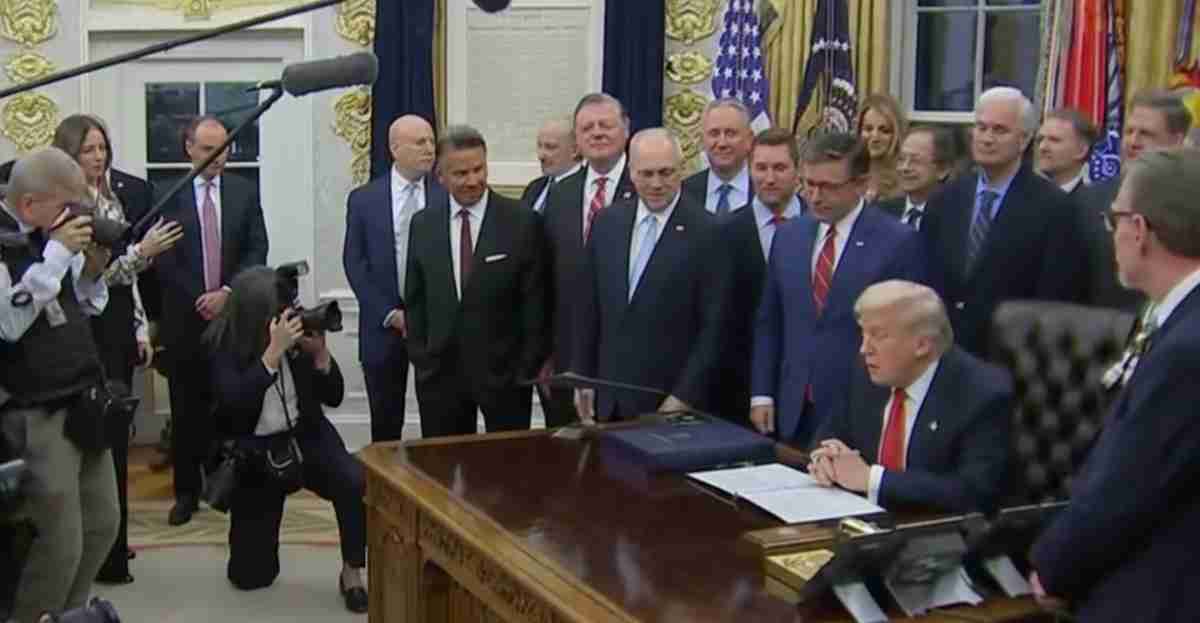
Trump signs bill ending longest government shutdown; stopgap funds government through Jan. 30 and secures federal worker back pay
President Donald Trump signed a stopgap funding bill that ends a 43-day government shutdown, restores federal operations, guarantees back pay for affected workers and funds the government through Jan. 30 while Congress seeks a longer-term solution.
- House vote: 222 yea, 209 nay — Times Leader report; see national coverage from ABC News.
- Funding window: Government funded through Jan. 30 under the stopgap — agencies operate normally until that date (Times Leader).
- Federal workers: Back pay guaranteed for furloughed and unpaid employees; some firings reversed (PBS Wisconsin; News and Sentinel).
- Agriculture funding: Funding secured for Agriculture Department food assistance through the rest of the fiscal year (Times Leader).
What the bill does — the immediate effects
The stopgap measure ends a 43-day shutdown and restores normal operations for most federal agencies. Federal employees who missed paychecks will receive back pay, and the law reverses some personnel actions taken during the shutdown. The measure directly funds three annual spending bills while extending temporary funding for the remainder through Jan. 30 (Times Leader; PBS Wisconsin).
The Department of Agriculture receives funding to keep food assistance programs such as SNAP running for the rest of the fiscal year, removing immediate threats to benefits. Airport operations, national parks and other services disrupted by the lapse are expected to resume as agencies restore staff and hours (News and Sentinel; ABC News).
How the vote unfolded and political context
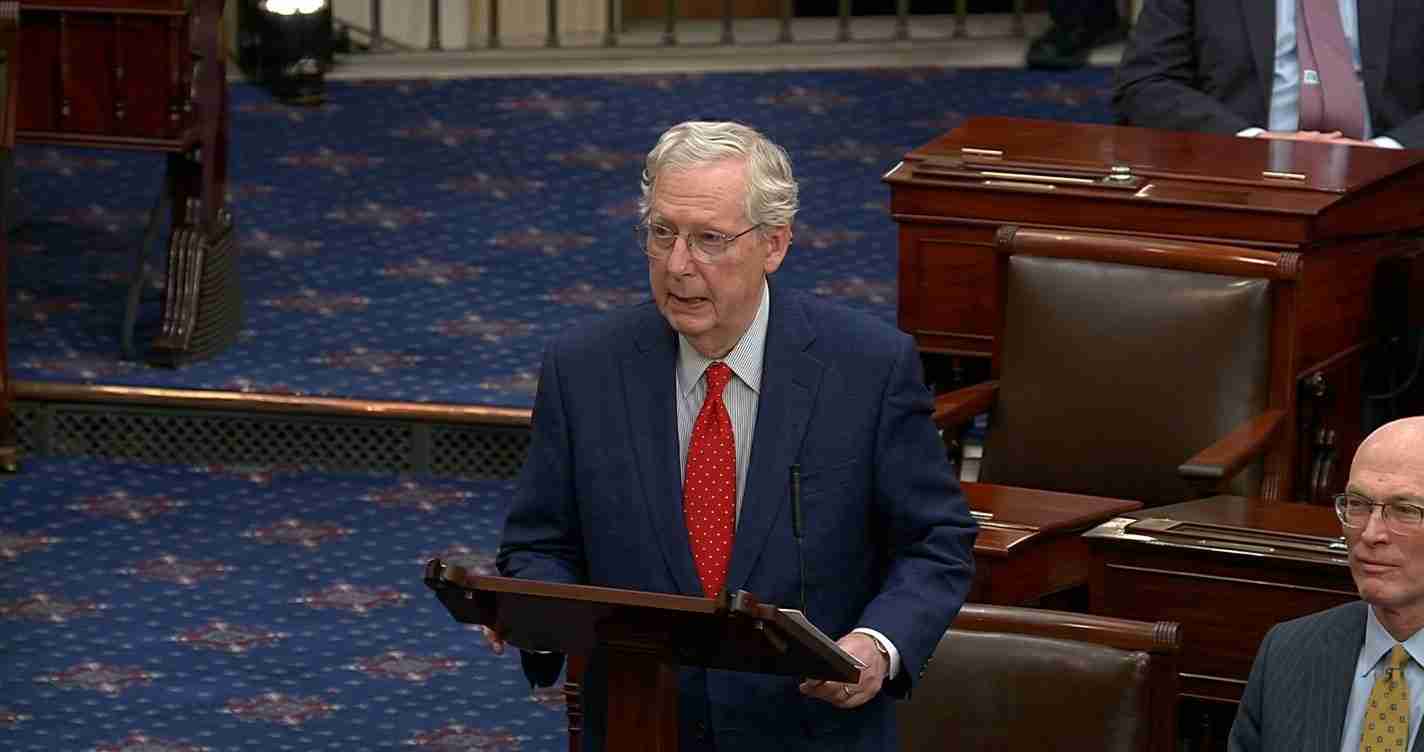
The Senate passed the measure before the House. In the House, the stopgap cleared by a sharply divided 222–209 vote, reflecting tight partisan lines and a small number of cross‑party supporters (Times Leader; video coverage captured by reporters in Washington (YouTube)).
Policy fights continued: Democrats sought an extension of an enhanced Affordable Care Act marketplace tax credit; Republicans resisted bundling that change into the stopgap. After stalemate and public pressure, several Democrats and eight Republican senators crossed lines in related negotiations that led to the compromise embodied in the bill (Times Leader; PBS Wisconsin).
Shutdown impacts documented during the lapse
Measured impacts: The 43‑day shutdown caused missed paychecks for federal workers, travel disruptions from reduced airport staffing, and increased demand at food banks and community support centers. Long lines and tightened services were widely reported (Video report; Power 105.3; News and Sentinel).
“Federal workers missed paychecks and many faced financial strain,” noted multiple reports documenting community impacts during the lapse.
Federal worker back pay and personnel reversals
Guaranteed back pay: The law ensures that furloughed employees and those required to work without pay will receive back wages. It also includes provisions to reverse certain firings enacted during the shutdown. Labor unions and watchdogs are monitoring the speed and completeness of payments and personnel rollbacks (PBS Wisconsin; News and Sentinel).
What happens next — timelines and stakes
- Jan. 30 deadline: The stopgap funds the government only through Jan. 30; Congress must craft full-year spending bills to extend funding beyond that date (Times Leader).
- Health care subsidy vote: Republican leaders pledged a mid‑December vote on extending the enhanced ACA tax credit—an outcome that is uncertain and will shape negotiations (PBS Wisconsin).
- Risk of renewed gridlock: If talks fail, another shutdown or short-term stopgap is possible after Jan. 30, renewing risks to services and workers (Times Leader; ABC News).
- Oversight: Watchdogs, unions and advocacy groups will track back pay delivery and compliance with personnel reversals (Times Leader).
Implications for San Luis Obispo, California
Economic impact
Federal employees and contractors in San Luis Obispo who missed paychecks are expected to receive back pay, which should ease short‑term household budget strain. Local businesses that serve federal workers and travelers — like restaurants, rental car agencies and retailers near airports and federal facilities — may see a modest recovery in sales as operations resume (PBS Wisconsin; News and Sentinel).
Political consequences
Local officials and candidates in San Luis Obispo are likely to debate the vote and bargaining over health care subsidies. Moderate voters may press representatives for stable, long‑term funding that avoids repeated shutdown risk. The promised mid‑December vote will be watched locally and could become a campaign issue (Times Leader).
Social effects
Agriculture funding for food assistance supports local food banks and social service groups that saw more demand during the shutdown. Families who relied on charities may still need assistance in the weeks ahead — nonprofits should expect continued demand (Times Leader; Video).
Cultural relevance
Local impact, national decisions: The shutdown and its resolution underscore how federal budget fights immediately affect daily life — from park access to food assistance — in California communities like San Luis Obispo.
Practical applications for residents
- Federal employees: Confirm with agency HR about timing for back pay and details on personnel reversals (PBS Wisconsin).
- Nonprofits and food banks: Coordinate with county and state agencies to track distribution and demand now that Agriculture funding is restored (Times Leader).
- Voters: Watch the promised mid‑December vote and the Jan. 30 deadline; hold elected officials accountable for a long‑term budget solution (ABC News).
What to watch in Washington
- Whether Republican leaders hold the mid‑December vote on ACA subsidy extensions and what the vote entails (Times Leader).
- Negotiations over full‑year spending bills before Jan. 30; failure could lead to another shutdown or short stopgap (PBS Wisconsin).
- Speed and accuracy of federal worker back pay and reversal of personnel actions — unions and watchdogs will report on implementation (News and Sentinel).
Reporting and sources
This report draws on coverage and official reporting from multiple outlets documenting the signing, congressional votes, and the shutdown’s effects. Primary sources and further reading:
- Times Media Service — Times Leader
- PBS Wisconsin
- ABC News
- News and Sentinel
- Power 105.3
- Video reports: YouTube report 1; YouTube report 2
For local questions about back pay timing, personnel decisions, or food assistance in San Luis Obispo, contact your agency HR office or county social services for the latest guidance and distribution updates.