House Oversight Subpoenas Seven More in Epstein-Maxwell Probe, Including Bill Gates, Leon Black and Former Obama Counsel
The House Oversight Committee subpoenaed seven people tied to Jeffrey Epstein and Ghislaine Maxwell, including Bill Gates, Leon Black and Kathryn Ruemmler, expanding its probe into agency handling, networks and any institutional failures linked to the case.
Key takeaways
- Seven subpoenas issued: Bill Gates, Leon Black, Kathryn Ruemmler, Lesley Groff, Sarah Kellen, Doug Band and Ted Waitt were subpoenaed as potential sources of relevant information.
- Committee rationale: Chairman James Comer cited reporting, Department of Justice releases, and committee documents as the basis for seeking testimony and records.
- Agency records sought: The committee has requested suspicious activity reports from the Treasury and documents from the Department of Justice to match against witness accounts.
- Gates response: Bill Gates has agreed to a transcribed interview on May 19 and stated he “never witnessed or participated in any of Epstein’s illegal conduct.”
- Local implications: The probe could prompt San Luis Obispo institutions to review donation policies, victim resources and transparency rules.
Overview of the subpoenas and scope
The House Oversight Committee, led by Chairman James Comer, expanded its investigation into Jeffrey Epstein and Ghislaine Maxwell by issuing subpoenas to seven individuals the committee believes can assist its fact‑finding. Comer’s letters cite public reporting, documents released by the Department of Justice, and records obtained by the Committee as the reasons for the action.
The committee named the following people in its subpoenas: Bill Gates, Leon Black, Kathryn Ruemmler, Lesley Groff, Sarah Kellen, Doug Band and Ted Waitt. Reporting on the subpoenas and witness list is available from Politico live updates, and the committee’s formal actions and requests for agency records are detailed in Oversight releases linked below.
Who was subpoenaed and why
The subpoenaed individuals span business leaders, former White House staff and figures closely tied to Epstein and Maxwell’s networks:
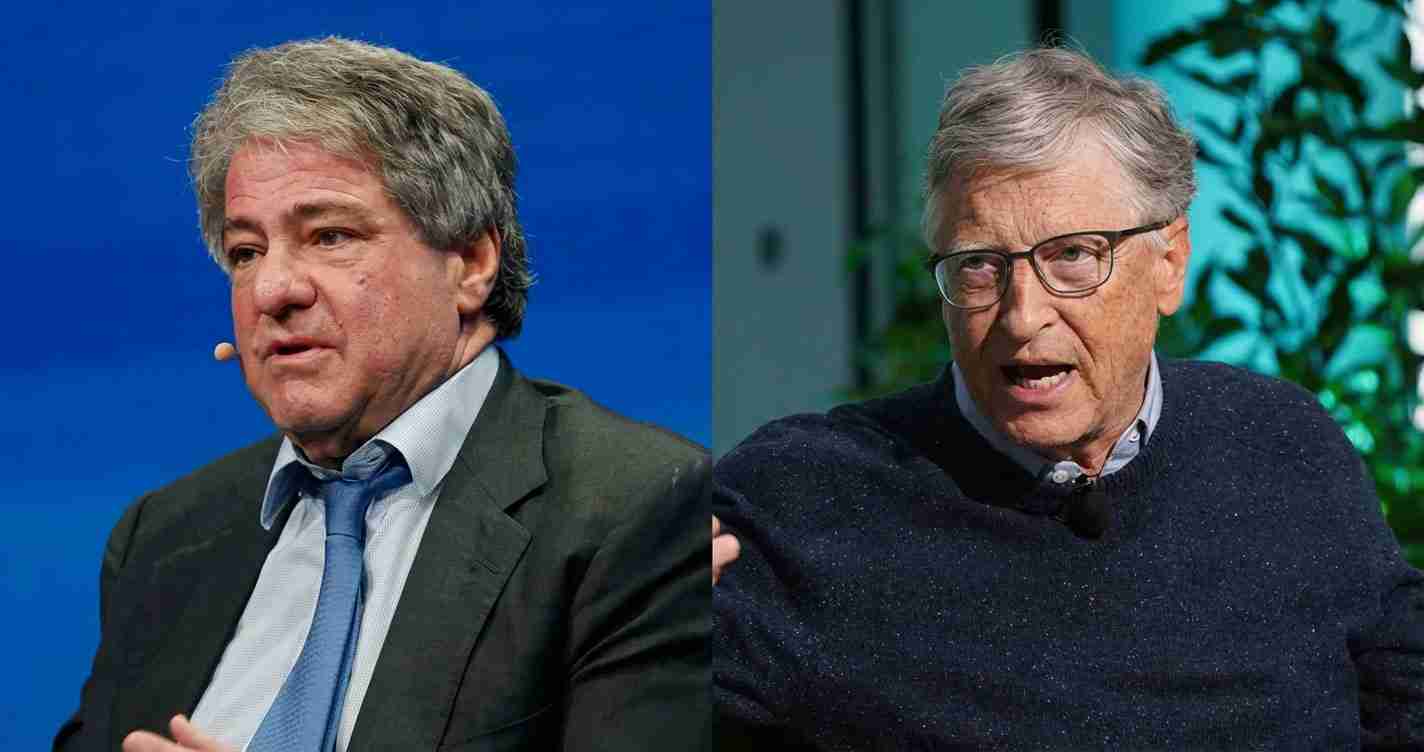
- Bill Gates — Microsoft co‑founder; the committee will examine communications and any interactions reported in materials released by the Department of Justice.
- Leon Black — Apollo Global Management co‑founder; previously connected in reporting to Epstein’s financial dealings.
- Kathryn Ruemmler — Former White House counsel for President Obama; subpoenaed to explore any relevant knowledge of contacts or communications.
- Lesley Groff and Sarah Kellen — Former employees of Epstein who handled travel and logistics and appear in past reporting.
- Doug Band — Longtime aide to former President Bill Clinton; questioned for ties into Epstein’s broader network.
- Ted Waitt — Tech billionaire and former partner of Ghislaine Maxwell.
Committee’s rationale and investigative expansion
Chairman Comer’s letters point to a combination of sources prompting subpoenas: public reporting, documents released by the Department of Justice, and materials already obtained by the committee. The panel has broadened its focus beyond alleged criminal acts by Epstein and Maxwell to examine how federal agencies handled investigations and what officials knew.
“Due to public reporting, documents released by the Department of Justice, and documents obtained by the Committee, the Committee believes you have information that will assist in its investigation.” — Chairman James Comer
The Oversight Committee’s recent actions and requests to federal agencies — including a request to the Treasury Department for suspicious activity reports — are described in the committee’s releases. See the Oversight announcement and Treasury request for full context: Oversight announcement and Oversight request to Treasury.
Recent interviews and how they led here
The letter round followed high‑value interviews, including sessions with former President Bill Clinton and former Secretary of State Hillary Clinton. The committee has been methodical in assembling testimony and documents to map relationships, transactions, and any potential institutional failures.
This broader approach signals the committee’s interest in tracing networks, reviewing agency conduct, and determining whether policies or procedures need reform.
Bill Gates’ response and reported materials
Gates has agreed to a transcribed interview on May 19, and his spokesperson said he “welcomes the opportunity” and stated he “never witnessed or participated in any of Epstein’s illegal conduct.” Reporting notes the Department of Justice released roughly 3 million emails tied to the case; some reporting based on those materials raised questions about Gates’ personal relationships and medical requests mentioned in the released materials.
The committee will likely probe communications and any payments or interactions that intersect with the broader investigation. See coverage at Politico live updates for details.
Other witnesses tied to Epstein and Maxwell
Beyond public figures, the subpoenas cover individuals closer to Epstein and Maxwell’s inner circle who may clarify timelines, communications, travel logistics, and financial transactions. Investigators will seek records and testimony to resolve outstanding questions about roles these people may have played and how networks were structured.
What the committee has sought from agencies
The Oversight Committee has formally requested records from federal agencies to corroborate witness testimony and understand institutional responses. Key actions include asking the Treasury Department for suspicious activity reports and requesting Department of Justice records related to Epstein and Maxwell investigations. Those releases are available from the committee:
Implications for San Luis Obispo, California
Economic impact: Direct effects on San Luis Obispo are expected to be limited, but nonprofits and universities that accept gifts from national philanthropists could face renewed scrutiny. Local leaders may review donor vetting and disclosure policies.
Political consequences: The probe may intensify local discussions about transparency and accountability, prompting calls for clearer disclosure rules in public‑private partnerships.
Social effects: National attention could spur community groups, schools and health providers to revisit policies on sexual violence, victim support and reporting.
Cultural relevance: Residents may demand higher standards from public figures and institutions, influencing conversations about ethics, philanthropy and power.
Practical applications for residents
- Review donation acceptance policies and consider clearer public disclosure for major gifts.
- Refresh campus and community education on sexual misconduct reporting and victim support services.
- Ask local officials to consider stronger ethics rules for partnerships with private donors or outside organizations.
Reporting sources and further reading
- Politico live updates on the subpoenas and witness list
- Oversight Committee statement on requests to Treasury
- Oversight Committee announcement on new investigative actions
This expanding round of subpoenas underscores the committee’s effort to map connections, review agency actions and seek accountability — moving beyond past prosecutions to press for fuller answers from people and institutions linked in reporting and records.