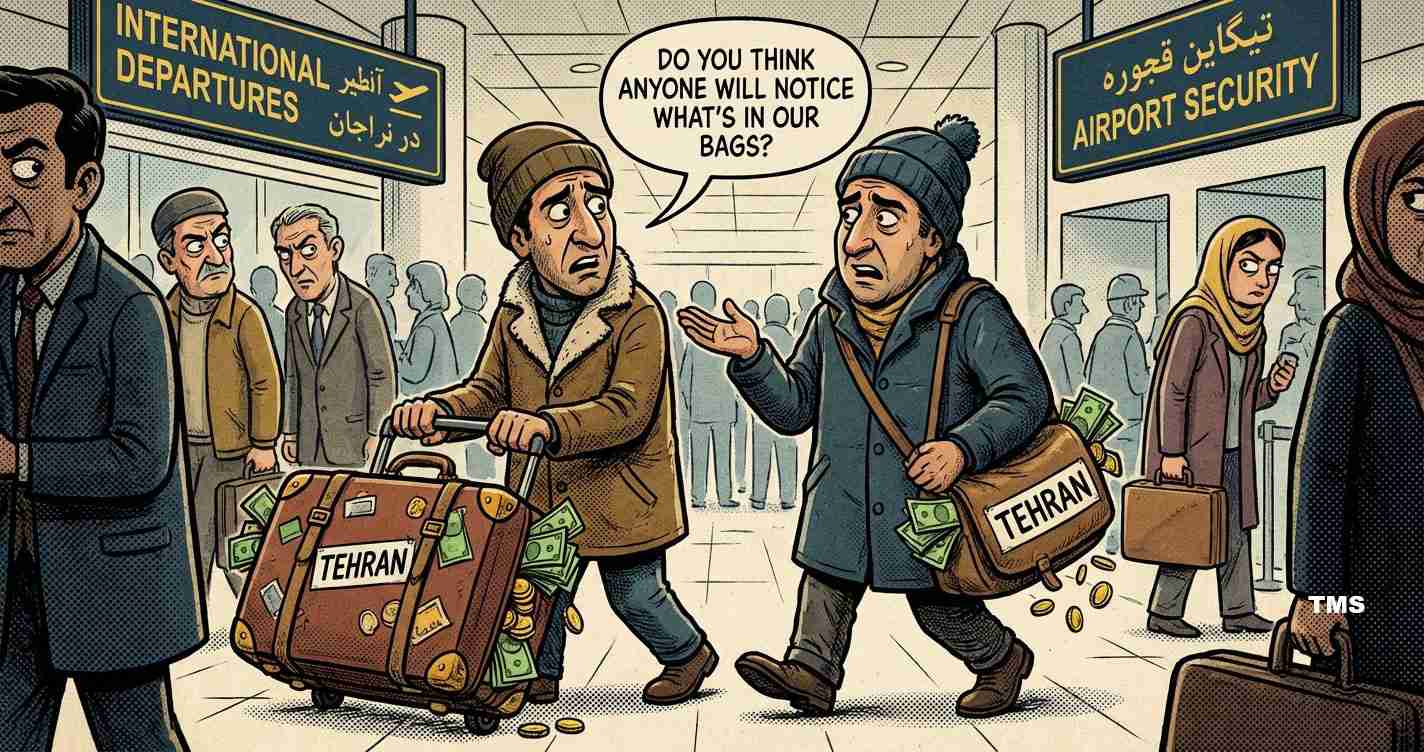
Iran elite reportedly move “tens of millions” abroad as U.S. hits shadow banking networks with new OFAC sanctions
On January 15, 2026, the U.S. Treasury imposed OFAC sanctions on five Iranian officials and shadow banking networks, as reports indicate regime elites moved “tens of millions” abroad—largely to Dubai—amid hyperinflation, nationwide protests and unrest.
- OFAC action: The U.S. Treasury press release announced sanctions on five officials and shadow banking networks tied to repression.
- Capital flight: Multiple outlets report elites moved “tens of millions” out of Iran, often routed to Dubai via banks, crypto and informal systems; some figures remain unverified (analysis and reporting, news report on alleged elite transfers).
- Local relevance: San Luis Obispo is unlikely to face direct financial effects, but higher oil prices, civic debate and refugee concerns could follow.
What OFAC announced and why
On Jan. 15 the Treasury said it targeted five senior figures and the shadow banking networks that moved and laundered revenue from Iran’s natural resources. The move is part of ongoing U.S. efforts to cut off funds tied to violent repression and pressure leaders linked to human rights abuses. See the U.S. Treasury press release for details.
The target networks and Treasury’s goals
Treasury described these entities as key channels that allow elites to siphon state-backed revenue and hide it overseas. Officials said sanctions aim to trace, disrupt and ultimately freeze or seize assets, and to sanction banks that facilitate such flows.
Reports of Iran capital flight
Following the sanctions, several outlets and analysts reported a wave of capital flight. Sources claim that tens of millions of dollars left Iran in recent days, with Dubai cited repeatedly as the main destination. Transfers reportedly used formal banking channels, cryptocurrencies and hawala-like informal systems. These accounts rely on open-source and regional reporting; some claims have not been independently confirmed (see analysis and reporting, news report on alleged elite transfers, regional coverage).
Unverified high-profile claim: Some outlets relayed an unverified report that Mojtaba Khamenei moved about $328 million as part of a broader $1.5 billion outflow; those figures remain unconfirmed by independent reporting (news report on alleged elite transfers).
Why analysts see this as a sign of regime fragility
Experts say elite capital flight can indicate fear of asset freezes or an anticipated political shift. Behnam Ben Taleblu, a senior fellow at the Foundation for Defense of Democracies, argued that reports of transfers — even if not fully verified — highlight the need for U.S. authorities to trace and, where possible, freeze illicit funds (analysis and quotes).
“Reports of elite transfers underline the need for authorities to trace and, where possible, freeze or seize illicit funds,” said Behnam Ben Taleblu.
Economic context strengthening the interpretation
Iran’s rial has plunged amid hyperinflation, with some reports citing roughly 1.1 million rials to the dollar. Falling oil output, sanctions, energy shortages and budget deficits have tightened state finances, deepening hardship for ordinary Iranians and helping fuel protests that began Dec. 28, 2025 (regional coverage, economic context).
What the sanctions aim to do — and the risks
The OFAC measures target shadow banking networks that cloak elite movement of resource revenues. By cutting off laundering routes, the Treasury aims to make asset hiding harder. These sanctions build on a 2025 campaign that expanded U.S. designation authorities to isolate Iranian financial flows (U.S. Treasury press release).
However, sanctions can provoke countermeasures: Tehran may tighten capital controls, push assets through ever more opaque channels, or increase domestic repression. Observers warn such responses could deepen unrest and elevate regional tensions (analysis and reporting).
Evidence and verification
Reporting is mixed: some outlets present direct transfer claims and figures; others caution that numbers are still being corroborated. U.S. officials say they are tracking suspicious activity in real time and plan to pursue enforcement globally, including possible secondary sanctions on institutions that assist in hiding assets (U.S. Treasury press release, analysis and reporting).
The Role of Dubai and regional hubs
Dubai is repeatedly cited as a primary destination due to its large financial sector, real estate market and sizable expatriate population. While UAE authorities have tightened anti-money-laundering rules in the past, cooperation and tracing vary by case. Continued inflows to Dubai could draw international scrutiny and legal action where jurisdictions cooperate with U.S. sanctions.
Voices from inside and outside Iran
Iranian state media have not confirmed a mass elite outflow. Independent and exile outlets, along with regional media, reported transfers and speculated on motives. U.S. statements emphasize support for protesters and continued financial enforcement to deter repression (regional reporting and updates, U.S. Treasury press release).
Implications for San Luis Obispo, California
Economic ties and local effects
Direct trade links: San Luis Obispo County has little direct trade with Iran; local businesses are unlikely to see immediate effects from Iran capital flight or OFAC sanctions. However, global oil market shocks could ripple into local fuel prices and transportation costs.
Financial community: Local banks and credit unions are small and well-regulated and unlikely to handle the cross-border flows described. Local law firms or accountants with Middle East ties should review compliance rules and watch for federal guidance.
Political and social consequences
Civic discussion: The news may spur conversations about human rights, refugee policy and U.S. foreign policy. Universities such as Cal Poly may host panels or events on Iran, sanctions and migration.
Community groups and activism: Human rights and faith-based organizations in the county might organize vigils, advocacy campaigns, or coordinate humanitarian support for refugees.
Cultural relevance and practical effects
Cultural ties: The county’s Iranian and Middle Eastern communities may feel anxiety. Local cultural and religious centers could offer support and forums for affected families.
Practical steps for residents: Travelers or businesses with regional ties should check guidance from the U.S. Treasury and State Department. Local banks will continue standard anti-money-laundering checks; suspicious international transfers can be blocked or reported.
How local leaders might respond
- Reaffirm commitment to human rights and review emergency/refugee assistance plans.
- Check whether county residents are directly affected and direct them to federal resources.
- Remain aware of national directives; federal agencies will lead asset-tracing and sanctions enforcement.
Sources and further reading
- U.S. Treasury Department press release on Jan. 15 OFAC action
- Analysis and reporting on Iran capital flight and regime fragility
- News report on alleged elite transfers and moves to Dubai
- Coverage on leaders sending fortunes abroad amid economic collapse
- Regional reporting and updates
- Context on Iran’s economic pressures and politics
Reporting compiled from Times Media Service and the public sources listed above.