Federal judge blocks Trump National Guard Portland deployment, citing constitutional limits on federal power
A federal judge in Portland temporarily blocked President Trump’s effort to federalize and deploy 200 members of the Oregon National Guard to protect an ICE facility, finding insufficient evidence of rebellion and constitutional limits on unilateral federal action.
Key takeaways
- Temporary restraining order: U.S. District Judge Karin J. Immergut issued a TRO blocking the government from federalizing and deploying 200 members of the Oregon National Guard to Portland.
- Insufficient evidence of “rebellion”: The judge found the administration did not prove protests rose to the level of an insurrection or organized rebellion and described most gatherings as small or with only “sporadic violence.” Read the reporting.
- Local capacity emphasized: The court noted Portland Police and Oregon State Police had the situation under control and that Guard assistance normally follows a state request, not unilateral federal action. Source.
- Appeal expected: The Department of Justice announced it will appeal the order, elevating the dispute over federal power and state control of the Guard. DOJ response.
Main story
Background: what the government sought and why
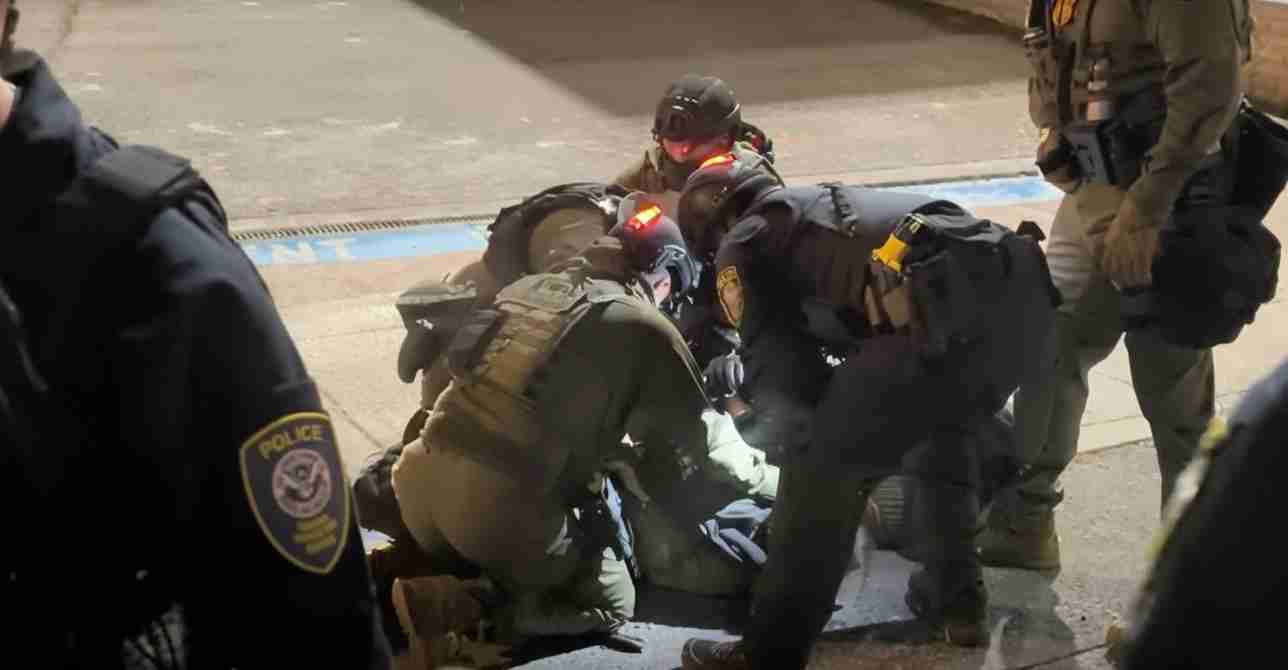
The Trump administration sought to federalize 200 members of Oregon’s National Guard to support federal agents near an ICE building in Portland. Federal officials said the Guard was needed to protect federal property and personnel amid ongoing protests. City and state leaders sued, arguing the action violated the Constitution and state authority over the Guard.
Judge’s ruling and rationale
U.S. District Judge Karin J. Immergut reviewed the government’s submitted evidence and issued a temporary restraining order. She concluded the government did not prove the protests amounted to a rebellion or meet the high statutory threshold allowing the President to call up the Guard without state consent. The judge noted many nights featured fewer than 30 demonstrators and were “largely sedate,” with incidents of violence and property damage described as isolated.
“The evidence described mostly small, often peaceful gatherings with only ‘sporadic violence’ and property damage,” the court wrote, finding that such incidents did not demonstrate an insurrection or organized uprising.
Judge Immergut also emphasized the role of local authorities: the Portland Police Bureau, assisted by neighboring agencies and the Oregon State Police, were described as managing the demonstrations. The court found federalization over the state’s objections unjustified on these facts. Full reporting.
Constitutional concerns and the legal test
At the heart of the dispute is federalism: when can the federal government deploy the Guard in a State over the governor’s objection? The administration cited federal statutes that permit the President to call up militia or use armed forces in extreme circumstances — but those laws set a high bar. Either the state must request assistance during an insurrection, or lawlessness must be so severe that ordinary law enforcement cannot enforce federal law.
Text of 10 U.S.C. § 12406 (Call of militia by States)
“Whenever there is an insurrection in a State against its government, the President may, upon the request of its legislature or of its governor if the legislature cannot be convened, call into Federal service such of the militia of the other States, in the number requested by that State, and use such of the armed forces, as the President considers necessary to suppress the insurrection.
Whenever the President considers that unlawful obstructions, combinations, or assemblages, or rebellion against the authority of the United States, make it impracticable to enforce the laws of the United States in any State by the ordinary course of judicial proceedings, he may call into Federal service such of the militia of any State, and use such of the armed forces, as he considers necessary to enforce those laws or to suppress the rebellion.”
This statute formed the legal basis for the administration’s move; Judge Immergut focused on whether the facts met the statute’s strict criteria and concluded they did not. The ruling underscores that the law requires a demonstrably extreme threat before federal power can displace state control of the Guard.
Department of Justice response and next steps
The Department of Justice announced it will appeal the temporary restraining order, moving the dispute to the appellate courts. The appeal will require appellate judges to weigh federal authority to protect federal property and personnel against constitutional limits and state control of the Guard. The DOJ’s notice signals the administration intends to press its view that the President may use federal power in similar situations. Read more.
National context: how this fits a wider pattern
This case is part of a broader trend in which federal forces or threats of federal deployments have been used or proposed in cities facing protests. Prior moves by the administration to send Guard units or federal agents to other cities — occasionally over local objections — have generated lawsuits and constitutional debate. Portland’s litigation now adds to that body of cases challenging when the federal government may intervene in local unrest.
Why the court focused on the scale of protests
Judge Immergut relied heavily on numbers and patterns. Testimony and evidence showed many nights had small, mostly peaceful gatherings; the judge described incidents of violence and property damage as isolated. The ruling makes clear that isolated acts of violence, while serious, do not automatically meet the legal standard of an insurrection or rebellion sufficient to justify federal takeover of the Guard.
States’ rights vs. federal power
Legal experts say the case highlights a core constitutional question: when may the federal government use military or Guard forces in a state without the governor’s consent? The law preserves state control of the National Guard except in clear emergencies. The court’s order reinforces limits on federal power when state officials and local police are actively responding to unrest.
Implications for San Luis Obispo, California
Local officials in San Luis Obispo County should note several practical and civic implications of the ruling:
- Law enforcement cooperation and jurisdiction: The decision underscores that Guard assistance typically follows state or local requests; federalization without state consent faces strong legal hurdles.
- Impact on protest and safety planning: City and county leaders will likely continue to lead crowd-management planning, coordinating with the California Highway Patrol and neighboring agencies.
- Political and civic debate: The ruling may reassure residents concerned about federal intervention in local demonstrations while prompting others to press state leaders for additional resources.
- Resource allocation and mutual aid: Officials may review mutual aid agreements and interagency planning to ensure local capacity can meet protest-related demands.
- Broader constitutional awareness: The case serves as a reminder of federalism’s balance and may shape local conversations about civil liberties and use-of-force policies.
Sources and reporting notes
This article draws on the federal court ruling and reporting on the order. Primary reporting used: Federal judge temporarily blocks Trump’s National Guard deployment to Portland, Times Media Service/NPR reporting hosted by VPM, October 4, 2025.
For readers tracking the case
The Department of Justice has filed notice of intent to appeal the restraining order. Watch for filings in U.S. Court of Appeals records and future district court orders; these will determine whether the TRO is stayed or whether the legal questions reach a precedent-setting appellate ruling. Updates will matter to cities and states weighing requests for assistance or preparing for large public gatherings. Follow the case.