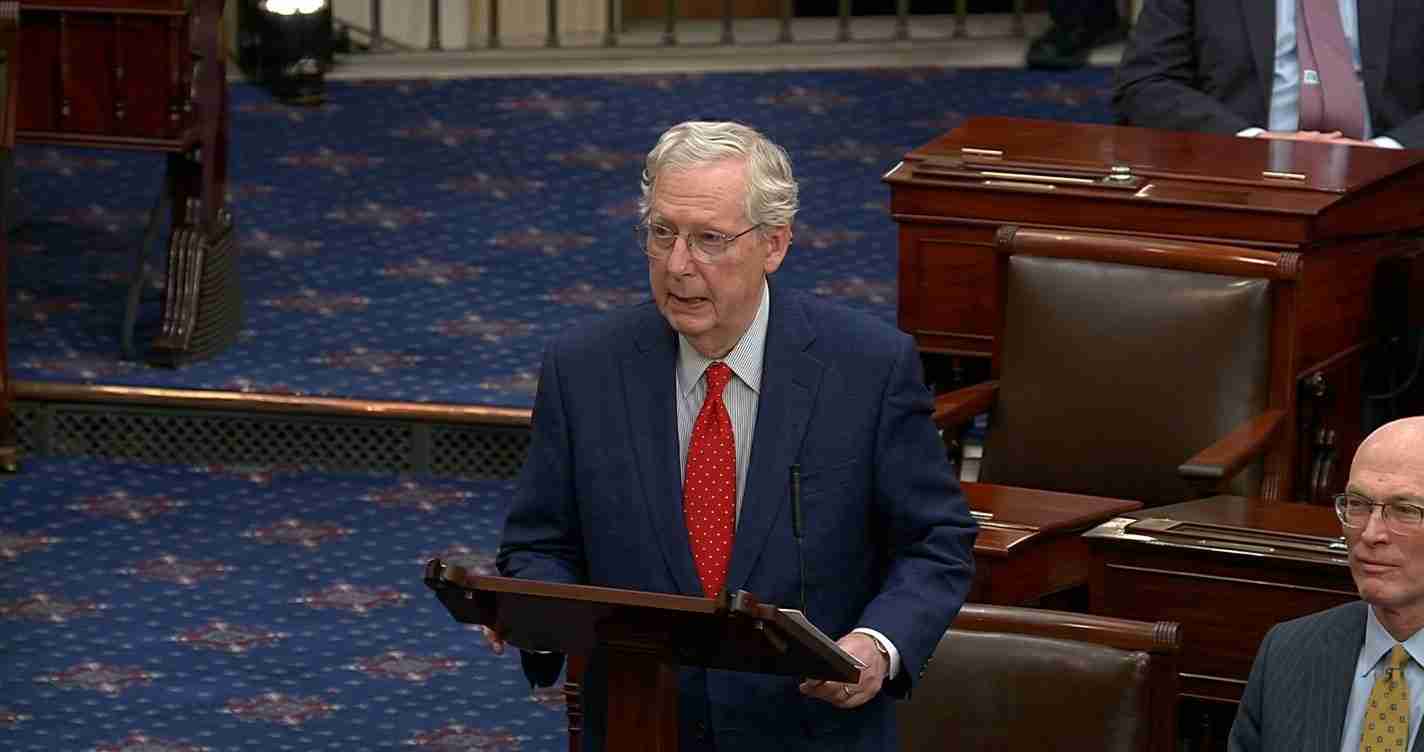
Sen. Tim Sheehy Helps Capitol Police Remove Protester; NC Green Party Candidate Brian McGinnis Injured at Senate Hearing
Brian C. McGinnis, a 44-year-old North Carolina Green Party Senate candidate and Marine veteran, was removed from a March 4, 2026 Senate Armed Services Subcommittee hearing, suffered a broken arm, and faces multiple charges after resisting removal.
- Hearing disruption: The disturbance occurred during a Senate Armed Services Subcommittee hearing on readiness after McGinnis loudly protested U.S. involvement in the Middle East.
- Senator intervenes: Republican Sen. Tim Sheehy assisted Capitol Police when officers struggled to remove the protester.
- Injury and response: McGinnis reportedly suffered a broken arm after his arm became wedged in a door; three officers received treatment for minor injuries, per local reporting and police statements.
- Legal fallout: He faces multiple counts, including assault on an officer and resisting arrest, with proceedings ongoing and potential campaign implications.
What happened at the hearing
On March 4, 2026, during a Senate Armed Services Subcommittee session on joint-force readiness, attendees recorded Brian C. McGinnis standing and loudly protesting U.S. policy tied to Israel and Iran. Video shows him shouting, including the phrase, “America does not want to send its sons and daughters to war for Israel,” and being moved toward the exit by Capitol Police.
Two officers initially began to escort McGinnis from the hearing. As they guided him toward the door, reporting and video indicate McGinnis dug in, grabbing the door and wedging his arm between the door and frame. A loud cracking noise is captured on video before authorities confirmed a broken arm; clips have circulated online and been shared with outlets including video footage.
Sen. Sheehy’s involvement
Sen. Tim Sheehy said he stepped in because officers were struggling to remove McGinnis and he wanted to “deescalate the situation.” Video and reporting show Sheehy pressing against the door area to assist officers as they worked to free McGinnis’s arm. Sheehy characterized the protester as “unhinged,” saying the man “came to the Capitol looking for a confrontation, and he got one.” Military.com covered the senator’s account and video excerpts.
“He came to the Capitol looking for a confrontation, and he got one,” Sen. Sheehy said, per published accounts.
Injuries and medical response
Authorities and news reports state McGinnis sustained a broken arm during the struggle and received on-site treatment. The campaign later said he would step back from public appearances to recover but remained committed to continuing his Senate bid. Capitol Police reported that three officers were treated for minor injuries following the removal. See local reporting by WRAL and coverage from ABC11.
Charges and legal status
McGinnis was charged with multiple counts, including three counts of assault on a police officer, three counts of resisting arrest, and one count of crowding, obstructing and incommoding related to an unlawful demonstration. The legal process is ongoing; local courts and news outlets in North Carolina are tracking scheduling and statements from his campaign.
Who is Brian McGinnis?
Brian C. McGinnis is a 44-year-old Marine Corps veteran, Raleigh firefighter, father, and candidate for U.S. Senate with the Green Party of North Carolina. His platform criticizes both major parties and emphasizes working-class priorities such as expanded health care and limits on corporate influence; the party’s campaign information is available on the Green Party campaign page, and his campaign site hosts videos and statements. Reports note he wore a Marine uniform during the protest and was visible outside the Capitol earlier that morning.
Broader context: protests, veterans, and policy debate
The incident occurred amid heightened tensions in the Middle East and renewed national debate over U.S. policy toward Israel and Iran. Observers have debated where protests should be permitted, how security should respond inside federal buildings, and the role of veterans in political activism. Different accounts emphasize contrasting themes: police and Sen. Sheehy described resistance that increased danger, while McGinnis’s supporters highlight his message and his injury. See reporting from International Business Times and Military.com.
Video and public reaction
Multiple clips from inside the hearing and the exit struggle circulated on social media and were shared with news organizations. Some questioned whether a senator should physically assist law enforcement inside a hearing space, while others praised Sen. Sheehy for helping officers. Supporters of McGinnis expressed concern about the veteran’s injury and the legal charges he faces. Primary visual documentation includes video footage and excerpts published by outlets including CBS News, WRAL, ABC11, and Military.com.
Implications for San Luis Obispo, California
Although San Luis Obispo’s local economy is unlikely to be directly affected by the Senate hearing disruption, broader debates over U.S. military engagement can influence federal spending decisions that ripple to California — including defense contracts, research grants and veteran services affecting local businesses and nonprofits. Residents working in defense or federal contracting may watch policy shifts tied to hearings like this one.
Politically, the episode may prompt local officials and voters to consider measured approaches to foreign policy and public safety. Civic groups, veteran organizations and campus groups in San Luis Obispo County could host forums, vigils or town halls to discuss protest rights, the role of veterans in public life, and de-escalation training. Practical next steps for residents include:
- Civic engagement: Community groups and town halls to discuss demonstration rules and public safety.
- Veteran services: Local veteran-service organizations may prepare support or counseling resources.
- Campus reviews: Institutions such as Cal Poly and Cuesta College might reassess guidance on student activism.
- Campaign discourse: The legal case may be cited in local campaigns and debates about third-party roles.
Reporting notes and sources
This article draws on reporting by multiple news organizations and publicly shared video. Key sources include:
- International Business Times
- Military.com
- WRAL
- ABC11
- Green Party campaign page
- brianmcginnis4ussenatenc.org (campaign site)
- Video footage of the incident
Reporting assembled from the above sources and publicly available statements. All original facts, information and URLs from those reports are preserved here.