California OKs fast-tracking up to 2,000 oil wells a year in Kern County under Senate Bill 237
California has authorized fast-tracking up to 2,000 new oil wells annually in Kern County under Senate Bill 237, aiming to stabilize fuel supplies, protect industry jobs, curb price spikes, and expand inland production in the San Joaquin Valley.
Key takeaways
- Senate Bill 237 allows Kern County to approve up to 2,000 new well permits per year for 10 years — potentially 20,000 wells total.
- The measure targets the San Joaquin Valley, especially Kern County, California’s top oil-producing region.
- Supporters say the law will protect jobs, increase tax revenue and ease fuel-price volatility while opponents raise health, climate and production concerns (13.5 barrels/day analysis).
What Senate Bill 237 does
Senate Bill 237, signed by Gov. Gavin Newsom, lets Kern County use a locally prepared Environmental Impact Report (EIR) and other streamlined rules to approve up to 2,000 new well permits each year for 10 years. The law effectively codifies the county EIR and aims to speed permitting in the San Joaquin Valley drilling zone. Proponents say the move will shore up fuel supplies while keeping coastal protections in place. TurnTo23 coverage and the Los Angeles Times summary outline the measure’s scope.
Why lawmakers moved now
State leaders cited recent supply shocks: two refinery closures that reduce refining capacity and recent spikes in pump prices — in some areas nearing $8 a gallon — which increased urgency to avoid shortages and sharp price swings. Lawmakers also noted that strict state rules and rising costs have nudged oil firms to scale back or leave California. Supporters framed SB 237 as a pragmatic step to stabilize markets while the state pursues long-term climate goals. See reporting from the Los Angeles Times and TurnTo23.
Where drilling will expand: Kern County and the San Joaquin Valley
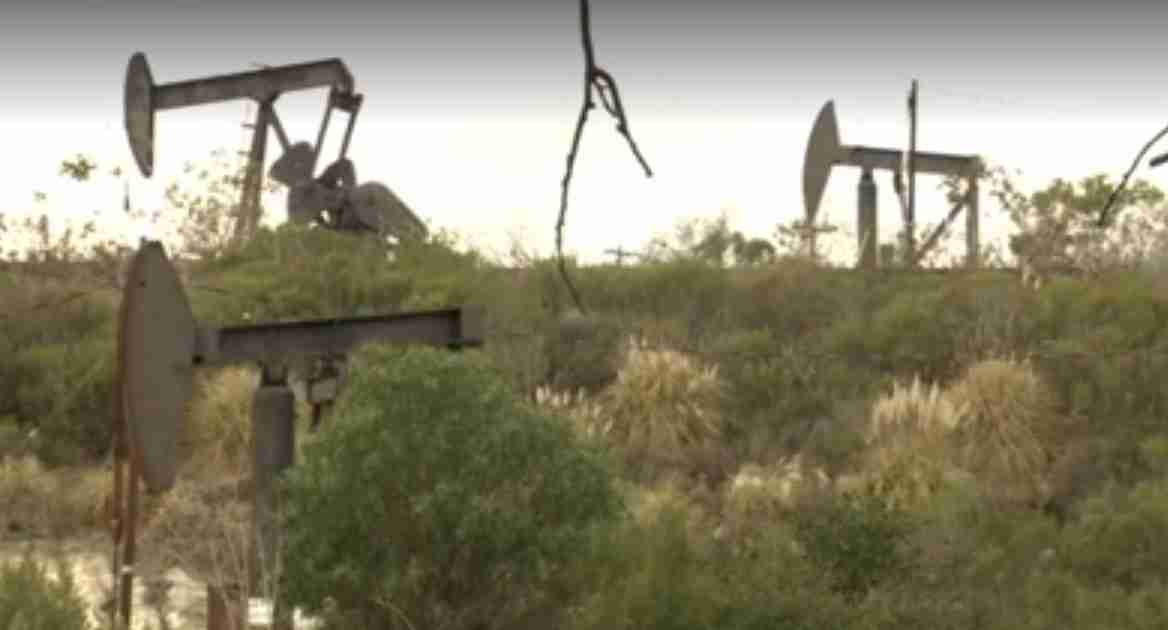
The law zeroes in on Kern County and the broader San Joaquin Valley, which together produce the bulk of California’s oil. Kern County — long the state’s oil hub — already hosts much of the infrastructure and workforce needed to expand production quickly. County officials say streamlined permits will make it easier for companies to continue operations in-state rather than moving elsewhere. Industry optimism is discussed in Bry and local reporting on the new law (see TurnTo23).
Claims about jobs, revenue and supply
Supporters — including state Sen. Shannon Grove and local leaders — argue SB 237 will bring jobs, boost local tax revenue, and blunt fuel-price volatility. They say more wells will mean more payrolls and more money for county services. Backers also say the codified EIR will manage environmental risks and uphold a promise of “no net carbon increase” from new drilling operations. Read the local advocacy and quoted support in TurnTo23.
Questions about how much oil new wells will produce
Independent analyses raise doubts about yield expectations. Some officials cited roughly 30 barrels per day for new wells, but recent data suggests averages closer to 13.5 barrels per day — a gap that could reduce the law’s impact on supply and prices if new wells underperform forecasts.
Environmental and political trade-offs
SB 237 emerged from negotiations balancing short-term market needs against long-term climate goals. The legislature and governor kept coastal drilling limits intact while opening more inland capacity in the San Joaquin Valley. Supporters call the measure a “bitter but necessary pill” to avoid sudden shortages and job losses during the energy transition. Critics warn inland expansion could undermine climate commitments and worsen local air and health problems. See background reporting in the Los Angeles Times.
Industry and regulatory context
California’s oil output has fallen as the state pursues climate targets, including a plan to phase out oil extraction by 2045. SB 237 and local rezoning provide clearer, faster permitting for companies over the next decade. Industry groups say the reforms help maintain operations and jobs during the transition; county officials emphasize energy reliability. Industry perspectives are described in Bry and related coverage in Los Angeles Times.
Legal hurdles and timing
Drilling under SB 237 is expected to begin in January 2026, but legal challenges remain. A pending court decision could affect how permits are issued and whether the streamlined procedures satisfy the California Environmental Quality Act (CEQA), potentially altering the pace of drilling. For timing and permitting context, see TurnTo23 and Bry.
Voices on both sides
Supporters emphasize jobs, fuel reliability and local tax revenue, stressing the law enshrines an EIR and maintains coastal protections.
Opponents warn inland drilling may harm air quality and public health, urging more investment in clean energy and stronger protections for frontline communities.
Read fuller accounts in TurnTo23, the Los Angeles Times, and the Fractracker analysis.
Timeline snapshot
- Bill passage and signing: September 2025 (Los Angeles Times).
- Expected drilling start: January 2026 (subject to permits and legal rulings — see TurnTo23).
- Potential wells: Up to 2,000 per year in Kern County for up to 10 years (TurnTo23).
Implications for San Luis Obispo, California
Economic impact
San Luis Obispo County is not the target area for new drilling, but the decision could still affect residents and businesses. More in-state oil could modestly stabilize pump prices across California, helping commuters and local businesses facing high fuel costs. Any increased state tax revenue from oil production might support statewide programs — potentially benefiting roads or services — though direct financial impact on San Luis Obispo is likely limited. See local and statewide context in TurnTo23 and the Los Angeles Times.
Political consequences
Locally, San Luis Obispo voters and officials may view this as a test of statewide priorities: preserving coastal protections while opening inland drilling. That dynamic could influence debates on energy policy, housing affordability and how the state balances climate goals with short-term market stability.
Social and health effects
Although drilling will be centered in Kern County, air quality and public health in the San Joaquin Valley are longstanding concerns. Expanded inland drilling could have indirect effects on San Luis Obispo, such as shifts in funding priorities, increased truck traffic through transportation routes, or pressure on state air-quality programs. The Los Angeles Times outlines these trade-offs.
Cultural relevance
San Luis Obispo’s coastline-focused identity and strong interest in coastal protection mean the law’s preservation of coastal limits may reassure many residents. At the same time, the pivot to inland drilling sharpens tensions between coastal environmental values and inland economic pressures — a likely theme in local civic debates.
Practical applications for residents
- Drivers: Any easing of statewide supply constraints could modestly slow price jumps at the pump, but experts warn the effect may be smaller if new wells produce less oil per well (Fractracker).
- Local planning: City and county planners should watch statewide budget and regulatory shifts that could change funding for transportation or health programs (Bry).
- Community health: Local health agencies may want to follow air-quality monitoring trends in the Central Valley and coordinate with state programs tracking industrial emissions (Los Angeles Times).
Sources and further reading
- TurnTo23 — “New law opens door to 2,000 oil well permits a year in Kern County”
- Los Angeles Times — “Legislature environmental and climate bills” (Sept. 13, 2025)
- Fractracker — “California’s new oil wells average 13.5 barrels/day”
- OKEnergyToday — “California legislators approve bill to increase oil and gas drilling”
- Bry — “California comeback: oil producers optimistic for streamlined permits”