Olivier Rioux, the world’s tallest teenager, makes college basketball history in Florida Gators debut
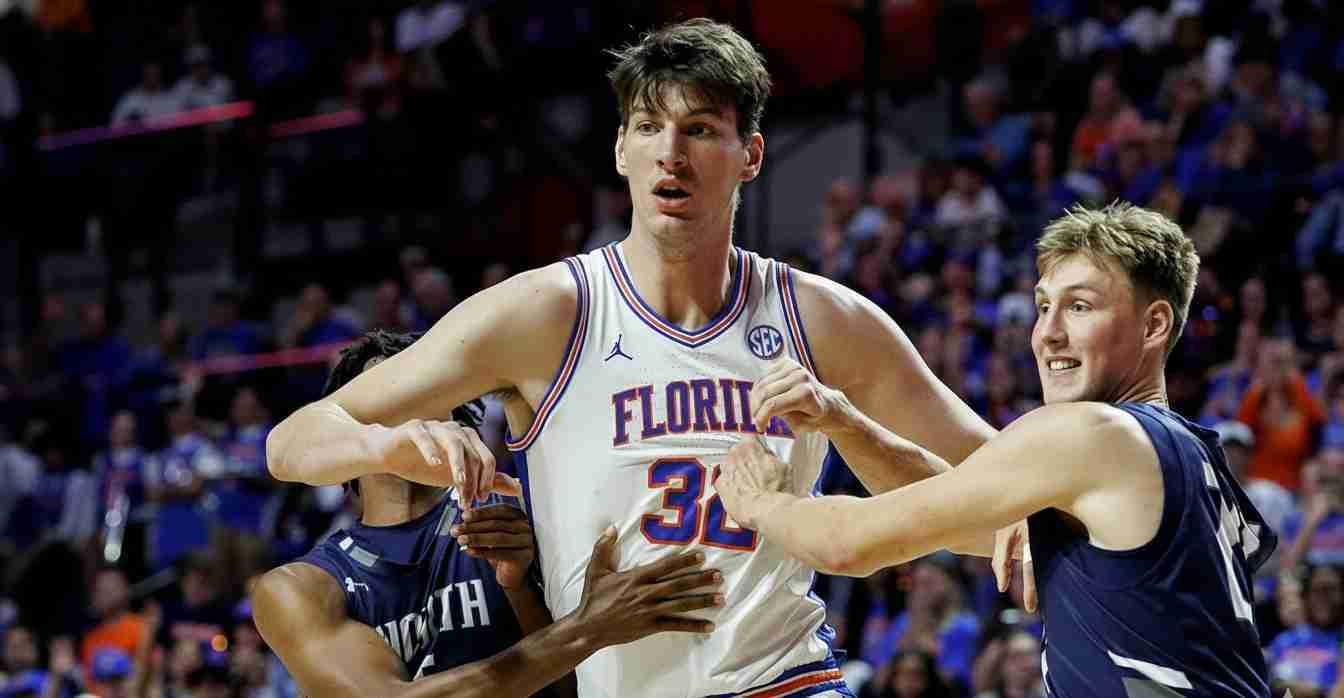
Olivier Rioux, a 7 ft 9 in Canadian and Guinness-recognized as the world’s tallest teenager, made history on Nov. 6, 2025, becoming the tallest player to ever appear in an NCAA game during Florida’s 104-64 win.
- Historic milestone: Rioux (listed at 7 ft 9 in / 2.36 m) became the tallest player to appear in an NCAA college game.
- Debut context: Entered with under two minutes remaining in Florida’s 104–64 victory over North Florida on Nov. 6, 2025.
- Development path: Redshirted the 2024–25 season to focus on strength, conditioning and long-term health.
- Local relevance: San Luis Obispo-area sports and youth programs can draw lessons about athlete development and safety from Rioux’s path.
Background — from Quebec to Gainesville
Born Feb. 2, 2006, in Terrebonne, Quebec, Rioux comes from an unusually tall athletic family — his father is listed at 6’8″, his mother 6’1″, and a brother 6’9″. He was already 6’10” by age 12 and played with elite youth programs including Real Madrid and IMG Academy. Prior to college he represented Canada in youth FIBA events, winning two bronze medals and earning a reputation as a strong interior rebounder.
Guinness recognition and the “tallest teenager” label
Rioux first drew global attention when Guinness World Records recognized him as the world’s tallest teenager in 2021 (then listed at 7 ft 5 in). By 2025 he is listed at 7 ft 9 in, and his NCAA appearance now records him as the tallest teenager to play in a college game.
Historic appearance and the debut moment
After a developmental redshirt season (2024–25), Rioux made his collegiate on-court debut on Nov. 6, 2025. With the Gators leading comfortably over North Florida, coach Todd Golden subbed Rioux in with just under two minutes remaining. Fans chanted “We want Ollie” as he stepped onto the hardwood — a moment captured on video and widely shared online — and Florida closed out a 104–64 victory.
College strategy: redshirt, development and safety
Florida’s decision to redshirt Rioux reflects a broader approach for uniquely built athletes: prioritize strength, injury prevention and skill development before exposing a young, very tall player to full-season competition. Coaches and Rioux’s family agreed early to focus on long-term readiness, minimizing immediate wear and tear on joints and cardiovascular demands.
On-court role, number and measurements
Rioux plays center for the Gators and wears jersey #32, listed at 305 pounds. He is primarily used to protect the rim and alter shots in the paint; even limited minutes change opponents’ scouting and rotational plans. For official roster details see the Florida Gators roster.
International resume and youth play
Rioux spent time with Canada’s youth national teams (U16–U19) and in elite club programs, showing consistent rebounding and interior presence in FIBA youth tournaments. That international exposure helped prepare him for different styles of play and pressure on bigger stages.
Public perception and media attention
The debut generated immediate media coverage and social buzz. Clips of the arena chant and his brief minutes circulated across platforms — including a widely viewed video of the fan chant and debut moment. Reactions ranged from feel-good admiration to questions about athlete welfare and long-term management for exceptionally tall players.
Why this matters to college basketball records and the sport
Rioux’s appearance establishes a record — the tallest player ever to play in an NCAA game — and invites broader conversations about how programs tailor training, nutrition and minutes for athletes at physical extremes. This affects scouting, medical staffing and long-term talent development strategies across the sport.
Implications for San Luis Obispo, California
Economic impact: Sustained interest in Rioux and the Gators could boost local engagement — sports bars, watch parties and merchandise sales may rise when Florida appears on national TV.
Political consequences: Local leaders may reference Rioux’s case in discussions about athlete health, public health planning and campus sports policy, using it as an example in debates over youth sports safety.
Social and cultural effects: San Luis Obispo’s youth sports community can draw lessons from Rioux’s development path. Schools and community programs might host watch parties or clinics that highlight sportsmanship, conditioning and injury prevention.
Practical applications: Local athletic trainers and coaches can review Florida’s redshirt and conditioning approach for guidance on strength training, nutrition for atypical body types, and long-term athlete care.
Ongoing watch points
For San Luis Obispo fans and sports leaders, monitor Rioux’s playing time, injury status, and how Florida manages his development across the season. Those factors will determine whether the debut is a one-time spectacle or the start of a sustained college career that reshapes scouting and medical protocols.