Pakistan vows major military response after Doha-brokered ceasefire with Taliban collapses
Pakistan has warned of a major military response after a Doha-brokered ceasefire with the Taliban collapsed in late October 2025, following intensified cross-border violence and disputes over militant sanctuaries along the Afghanistan–Pakistan border and sovereignty violations.
- Pakistan’s defense minister urged readiness to push the Taliban “back to the caves for hiding,” signaling possible large-scale action if attacks persist (The Cipher Brief).
- A Doha ceasefire mediated by Qatar and Turkey on Oct. 19, 2025, collapsed after verification talks failed to produce enforceable mechanisms (The Cipher Brief; Wikipedia).
- Cross-border clashes and drone strikes along the Durand Line intensified through September–October 2025, with rising civilian displacement and reciprocal actions (Wikipedia).
Background and breakdown of the ceasefire
In mid-October 2025, after a week of heavy clashes and airstrikes, Qatar and Turkey mediated an agreement between Islamabad and Kabul. The Oct. 19 ceasefire in Doha sought to halt direct attacks on forces and curb support to groups striking across the border. Afghanistan’s Taliban government agreed to curb assistance to factions attacking Pakistan, especially the Tehreek-i-Taliban Pakistan (TTP), and both sides pledged to avoid actions against civilian infrastructure (The Cipher Brief; Wikipedia).
A verification meeting scheduled for Oct. 25 in Istanbul aimed to build compliance systems and communication channels, but delegates reported deep mistrust and an inability to agree on basic verification steps. With no agreed mechanism to check and stop cross-border attacks, the truce collapsed within days and violence resumed along the contested Durand Line (The Cipher Brief).
Pakistan’s threats and military posture
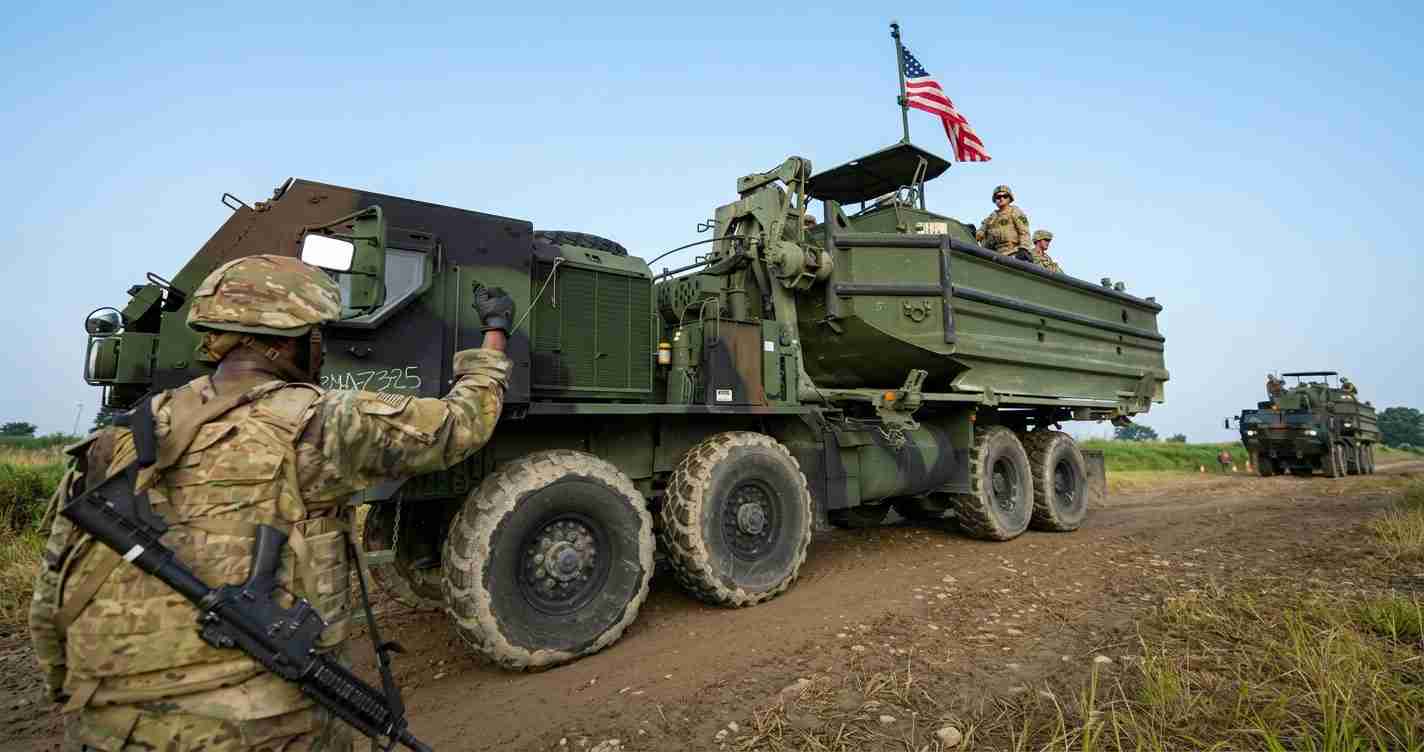
Pakistan’s public tone hardened after the breakdown. Defense Minister Khawaja Muhammad Asif warned Islamabad would not hesitate to use force if attacks from Afghan territory continued, saying Pakistan could defeat the Taliban “without needing its full arsenal.” That formulation underlines confidence in conventional capabilities and a willingness to escalate if necessary (The Cipher Brief).
The stance reflects long-standing Pakistani grievances: Islamabad accuses the Taliban government of tolerating or sheltering TTP militants who attack Pakistani targets and then retreat across the border. Officials framed the collapse of talks as proof that diplomatic fixes have limits without enforcement and clear mechanisms to stop militants (The Cipher Brief).
Key events that led to the crisis
- August 2025: Pakistan conducted drone strikes in Khost, Nangarhar, and Kunar provinces targeting TTP members; the Taliban protested the strikes (Wikipedia).
- September–October 2025: Fighting along the Durand Line intensified with heavy exchanges and rising casualties; civilian displacement increased (Wikipedia).
- Early–mid October 2025: Major clashes culminated in Pakistani airstrikes near Kabul and Taliban retaliation, prompting Qatar and Turkey to broker the Oct. 19 ceasefire (The Cipher Brief; Wikipedia).
- Oct. 19–25, 2025: Verification talks in Istanbul failed, the temporary truce collapsed, and hostilities resumed (The Cipher Brief).
Diplomatic efforts and third-party mediation
Qatar and Turkey acted as mediators because of ties to both parties; their involvement produced a short pause and a diplomatic opening. The ceasefire text called for halting attacks and creating verification channels, but it lacked a clear enforcement center and robust verification tools. That gap proved critical when accusations resumed and no agreed method existed to investigate or halt violations (The Cipher Brief).
Third-party efforts now face a test: mediators must decide whether to push for stronger monitoring mechanisms, offer security guarantees, or step back as the two sides revert to military options (The Cipher Brief).
Geopolitical and strategic implications
The collapse and Pakistan’s threat of a military response deepen instability in a strategically vital region. The Durand Line conflict, a long-running source of tension, remains central: Islamabad views the border as porous and exploited by militants, while Kabul’s Taliban government faces limits on controlling all armed groups within its territory. The impasse weakens regional cooperation prospects and raises the risk of wider conflict if Pakistan conducts large-scale operations inside Afghanistan (The Cipher Brief; Wikipedia).
Analysts warn escalation could affect regional trade, refugee flows, and relations with neighboring states, and complicate global counterterrorism by scattering militant groups and creating new sanctuaries. The breakdown highlights the challenge of resolving the Durand Line dispute and building trust where mutual suspicion runs deep.
What this means on the ground
For civilians near the border the return to violence brings immediate consequences: displacement, damage to homes and farms, and fear of renewed airstrikes or ground incursions. For Pakistan’s military, the defense minister’s statement signals readiness to use a range of tools — from targeted strikes to larger operations — if diplomacy fails. For the Taliban government, the situation tests claims of control over militant groups and its capacity to maintain foreign relations under pressure (Wikipedia; The Cipher Brief).
Implications for San Luis Obispo, California
Economic impact
- Trade and fuel prices: Regional instability could affect global oil and gas markets; San Luis Obispo County may see higher gasoline and heating costs tied to crude price swings.
- Local businesses and universities: Disruptions in international student flows or philanthropy could affect Cal Poly and other institutions if global tensions deter enrollment or donations.
Political consequences
- Foreign policy discussions: Local voters and officials may revisit debate over U.S. ties to regional partners and counterterrorism funding.
- Community safety planning: City and county leaders may review emergency plans for events and critical infrastructure despite low likelihood of direct impact.
Social effects
- Local Afghan and Pakistani communities: Diaspora residents may experience heightened anxiety and organize support efforts for relatives.
- Humanitarian response: Nonprofits and faith groups could mobilize to assist refugees and displaced families.
Cultural relevance
- Educational programming: Schools and centers may host talks, screenings, and panels to explain the Durand Line conflict and its history.
- Interfaith outreach: Houses of worship may expand dialogues to support affected families and build community resilience.
Practical applications
- Travel advisories: Residents with family in Pakistan or Afghanistan should monitor U.S. State Department advisories and review emergency contacts and evacuation plans.
- Local aid coordination: Community leaders can coordinate with county emergency services, nonprofits, and university international offices to prepare support networks.
Sources
Reporting for this story was compiled from Times Media Service coverage and the following sources:
- The Cipher Brief, “Afghanistan-Pakistan Ceasefire,” https://www.thecipherbrief.com/afghanistan-pakistan-ceasefire
- Wikipedia, “Afghanistan–Pakistan clashes (2024–present),” https://en.wikipedia.org/wiki/Afghanistan%E2%80%93Pakistan_clashes_(2024%E2%80%93present)
Reporting for this story was compiled from Times Media Service coverage and the above sources.