Anduril founder Palmer Luckey personally sanctioned by China after U.S. Taiwan arms package; calls ban a “badge of honor” and urges a “prickly porcupine” defense
Palmer Luckey, founder of Anduril Industries, was personally sanctioned by China after a U.S. arms package for Taiwan. The measures bar him from entering China and freeze any assets he may hold there; Luckey said he welcomed the ban.
Key takeaways
- China sanctioned 20 U.S. defense firms and 10 executives, including Luckey, in reaction to a U.S. arms package for Taiwan; measures include visa bans and asset freezes. See Business Insider and Fortune.
- Luckey embraced the sanction as a “badge of honor,” urging the U.S. to help make Taiwan a “prickly porcupine” that deters aggression (coverage: Fox Business, Taiwan News).
- Local implications may be indirect: regions like San Luis Obispo could see ripple effects in supply chains, workforce demands, and public debate over defense-industry growth.
China’s sanctions: scope and official rationale
Beijing announced sanctions on 20 U.S. defense-related companies and 10 senior executives after the U.S. unveiled a major arms package for Taiwan said to be worth more than $10 billion. Chinese authorities framed the response as a necessary countermeasure to what they called dangerous interference in Beijing’s “core interests.”
The reported measures include:
- Freezing movable and immovable property and other assets within China belonging to the listed firms and individuals (Business Insider; Fortune).
- Prohibiting Chinese organizations and individuals from doing business with the sanctioned companies and executives (Business Insider).
- Visa bans and entry denials for named executives, including Luckey (Fox Business).
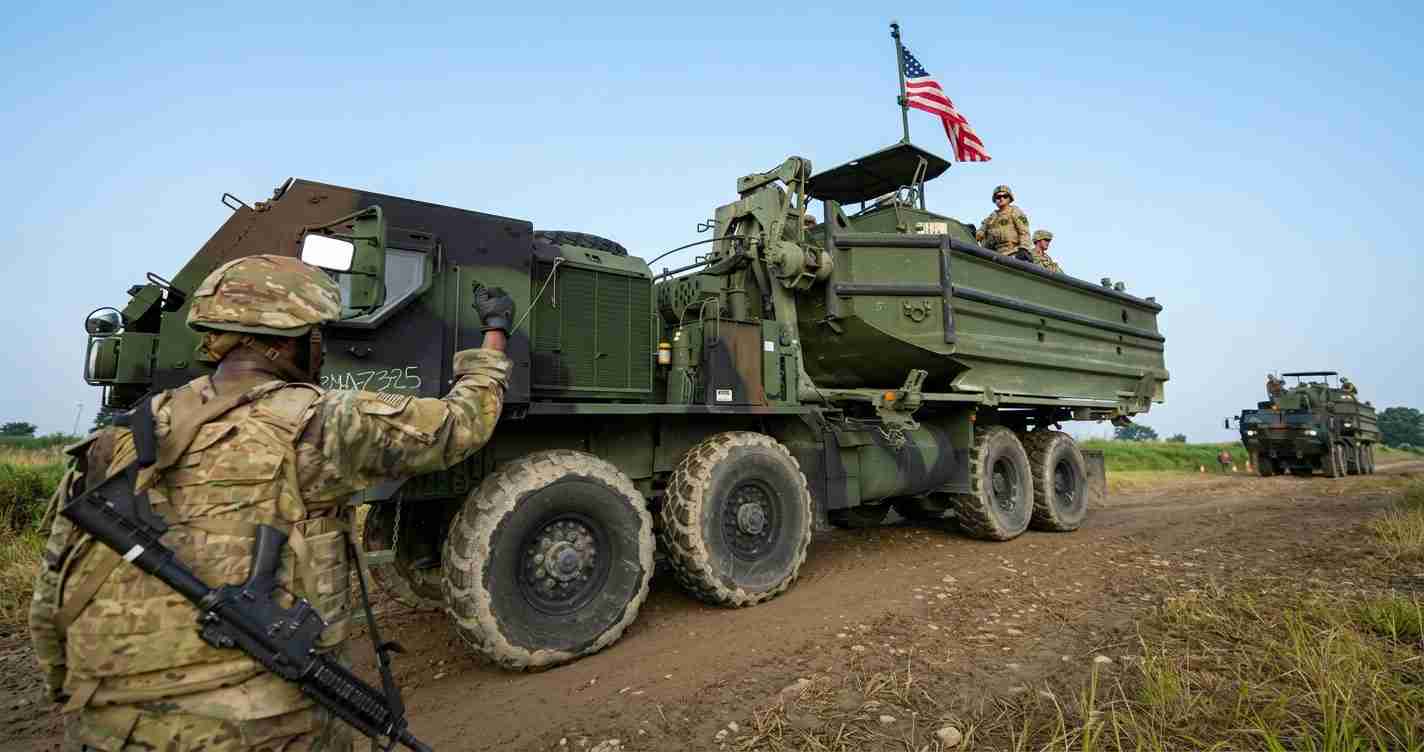
Context: The announcement followed U.S. officials’ package to Taiwan that reportedly could include self-propelled howitzers and HIMARS, which Beijing views as crossing a “red line.” See coverage in Business Insider and Fortune.
Who is Palmer Luckey and what does Anduril make?
Palmer Luckey founded Anduril Industries, a U.S. defense-technology firm that develops autonomous systems, sensing networks and AI-enabled platforms intended to improve battlefield awareness and force protection. Anduril’s portfolio includes drones, autonomous sensors and integrated systems built to detect and respond to threats using software, robotics and AI.
Reporting and company descriptions are available via Fox Business and Fortune.
How Luckey reacted: proud and provocative
Speaking at CES 2026 in Las Vegas and in media interviews, Luckey embraced the personal sanction as an “award I’m very, very proud to win,” calling the visa ban a “badge of honor.” He noted Anduril has faced Chinese restrictions for years and suggested personal sanctions were a new mark of distinction.
“An award I’m very, very proud to win,” Luckey said, adding public thanks on social media to family, his team and, facetiously, to his “non-existent Chinese assets.” (Coverage: Business Insider; Taiwan News.)
“Prickly porcupine” strategy and why China is sensitive
Luckey urged the U.S. to accelerate efforts to make Taiwan so well defended that it is “nobody wants to step on.” He used the metaphor of a “prickly porcupine”—a deterrent posture aimed at raising the costs and risks of aggression. Luckey said many Anduril systems are designed with a near-peer challenge in mind and would factor into any such defense scheme (Fox Business; Taiwan News).
China’s broader framing and geopolitical context
Beijing framed the sanctions as “necessary countermeasures” to defend sovereignty and warned that companies and individuals involved in arms sales to Taiwan would “pay the price.” Analysts note Taiwan remains a central flashpoint between Washington and Beijing; recent moves—arms sales, Chinese drills, and reciprocal sanctions—raise risks of miscalculation and escalation amid wider tensions over technology, trade and defense policy (Fortune; GeopolitEchs).
How Anduril and other firms have responded
Anduril has largely pointed reporters to Luckey’s public statements, allowing his comments and social posts to serve as the company’s primary response. Other U.S. defense firms on China’s list have expressed concern about potential business and diplomatic fallout. See reporting in Business Insider and Fortune.
Implications for San Luis Obispo, California
While Anduril is not based in San Luis Obispo, local economies and institutions could feel indirect effects if U.S.–China tensions reshape supply chains, defense contracting, or federal investment priorities.
Economic impact
- Defense-tech ripple effects: Local tech and aerospace suppliers could see shifts in demand if supply chains or contracting change; export controls could alter business prospects (context: Fortune).
- Higher education and workforce: Cal Poly and regional trade schools may experience increased interest in defense-related programs, creating jobs but also shifting research priorities.
Political consequences
Local elected officials and voters are likely to monitor federal policy closely; rising defense-tech employment could drive debates about economic development, trade policy and university partnerships with defense contractors.
Social effects
Community divisions may emerge between residents who welcome defense-sector jobs and those wary of militarization, export controls or economic dependence on defense contracts. Public forums and council meetings could host these debates.
Cultural relevance
San Luis Obispo’s emphasis on tech innovation, environmental stewardship and community values may clash with national-security conversations; transparency and communication from leaders will be important.
Practical applications for residents
- Job and training opportunities: Increased federal/private investment could open engineering, manufacturing and IT roles—especially via partnerships with Cal Poly and local trade schools.
- Business readiness: Small manufacturers should assess export rules and consider diversifying customers to reduce risk.
Reporting notes and sources
This article draws on public reporting and analysis from multiple outlets:
Note: Reporters sought comment from Anduril and Luckey; the company pointed to Luckey’s public posts and interviews as its response.