Schumer unveils counteroffer to avert shutdown, seeks one-year Schumer Obamacare subsidies extension as GOP fights back
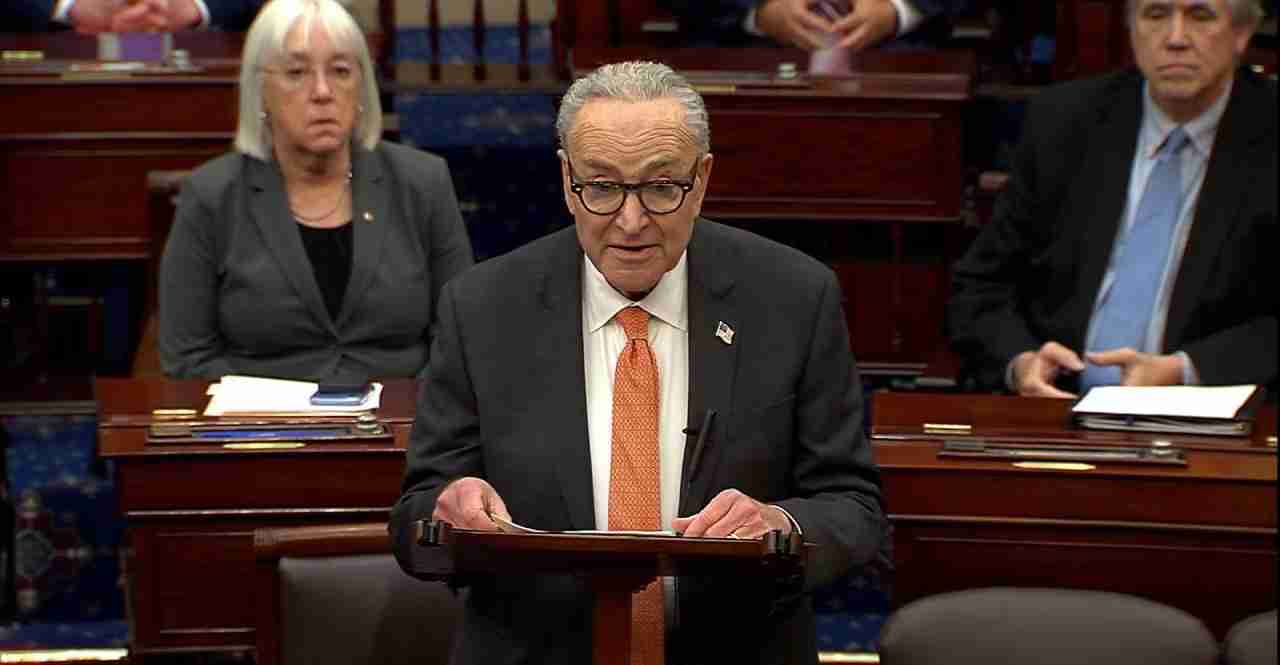
Senate Majority Leader Chuck Schumer on Friday unveiled a short-term plan to avert a federal shutdown by extending enhanced Affordable Care Act premium tax credits for one year, aiming to prevent steep marketplace premium increases while Republicans press for concessions.
- Short-term fix: Democrats propose a funding bill that includes a one-year extension of enhanced ACA premium tax credits to avoid immediate premium spikes.
- Financial stakes: Analyses show average annual out-of-pocket premiums for subsidized enrollees could rise from about $888 today to roughly $1,904 by 2026 if subsidies lapse.
- Political clash: Republicans seek offsets, policy changes or immigration measures in exchange; Democrats urge a straightforward pass to keep the government open.
- Excluded groups: The proposal does not expand coverage for undocumented immigrants, who remain largely barred from ACA marketplaces and most Medicaid programs.
What Schumer is proposing
Short and targeted: The Schumer alternative funds the government and extends the enhanced Affordable Care Act premium tax credits for one year. The enhanced credits — first expanded under the American Rescue Plan and extended by later legislation — lower monthly premiums and out-of-pocket costs for many marketplace enrollees.
Schumer’s pitch: In remarks to reporters and colleagues he urged Republicans to
“Just say yes,”
arguing a one-year extension buys time for negotiations while shielding consumers from immediate harm.
Why the subsidies matter
Enhanced premium tax credits reduce monthly premiums and out-of-pocket costs for millions who purchase coverage through ACA marketplaces. Policy groups and budget analysts warn that letting those boosts expire would push premiums much higher, making coverage unaffordable for many who lack employer-sponsored insurance.
Impact example: Multiple models indicate average annual out-of-pocket premiums for subsidized enrollees could more than double within a few years — from about $888 to roughly $1,904 by 2026 if enhanced credits are not extended.
Skeptics and GOP response
Republican leaders have resisted a straightforward extension tied only to short-term funding. Critics argue enhanced subsidies increase federal spending and want offsets or policy changes in return. Some Republicans want the funding measure linked to immigration or border-security language.
House maneuvers: House Republicans have proposed alternate short-term funding paths that include policy riders or budget offsets. Democrats counter that attaching unrelated fights to essential funding risks a shutdown and harms citizens who rely on government services.
ACA premium increases: what research shows
Analysts at groups such as the Kaiser Family Foundation, the Congressional Budget Office, and the Urban Institute model scenarios where enhanced subsidies expire. Their findings consistently show large premium increases for subsidized enrollees and higher uninsured rates.
Most cited estimates suggest average annual out-of-pocket premiums for subsidized marketplace enrollees could rise from roughly $888 to around $1,904 in 2026 without an extension — with variation by state and income level.
Undocumented immigrant health care: a missing piece
No change for undocumented immigrants: The Schumer proposal does not open ACA marketplaces or most Medicaid programs to undocumented residents. Federal law currently bars undocumented immigrants from purchasing marketplace coverage with premium tax credits and from most Medicaid programs, except for emergency services.
Advocates and some state leaders have pursued state-level solutions, but immigration-related health coverage remains politically charged. Public health experts warn that excluding undocumented people from routine care can increase emergency costs and pose broader public health risks.
Implications for consumers and health providers
If enhanced subsidies lapse, expect higher premiums, more people dropping coverage, and added pressure on safety-net providers. Hospitals and community clinics — especially those serving low-income and immigrant patients — may face rising uncompensated care and unpaid bills.
State variation: The local impact depends on state exchange enrollment and uninsured rates; areas with larger exchange populations would see bigger effects, and insurers warn of adverse selection driving premiums even higher.
Implications for San Luis Obispo, California
Economic impact
Higher premiums could strain household budgets in San Luis Obispo County. Local families who buy plans on Covered California could face rising monthly costs if enhanced subsidies expire. Clinics, community health centers and hospitals may see more uninsured patients and increased uncompensated care.
Political consequences
California leaders have generally supported preserving ACA gains and have pursued state measures to protect residents from federal rollbacks. San Luis Obispo voters may pressure members of Congress for bipartisan solutions if premiums spike or a shutdown occurs.
Social effects
Rising premiums often lead people to skip care, delay prescriptions, or avoid doctor visits — worsening chronic conditions and increasing emergency department visits in the county. Immigrant communities will remain vulnerable, with undocumented residents relying on community clinics or emergency care.
Cultural relevance
On the Central Coast, tight-knit communities depend on shared services and county health programs. A drop in coverage could be seen as a direct threat to community well-being and local social supports.
Practical applications for residents
- Review plan options on Covered California and monitor Congressional action.
- Check eligibility for state or county programs and explore local clinic services.
- Plan for possible higher premiums and consider preventive-care programs to reduce long-term costs.
What happens next in Congress
Negotiations between Democratic and Republican leaders will determine whether Schumer’s short-term approach becomes law. The proposal forces a clear choice: approve a narrow funding bill that protects subsidies and keeps the government open, or push the process toward additional policy fights and risk a shutdown with attendant premium hikes.
Sources and further reading
- Kaiser Family Foundation
- Congressional Budget Office
- Urban Institute
- The New York Times
- The Washington Post
- Politico
Additional reporting and analysis are continuing as lawmakers negotiate funding and health policy language in the coming days.