Senate Blocks DHS Funding Again as Shutdown Reaches 12th Day; Democrats Hold Out for ICE Reforms
On Feb. 24, 2026, Senate Democrats blocked a Republican-led bill to fund DHS in a 50-45 party-line vote, extending a partial shutdown into its 12th day as national negotiations stall over ICE reforms and accountability.
Key takeaways
- Senate vote fails: Democrats voted down a full-year DHS funding bill in a 50-45 party-line vote, falling short of the 60-vote threshold needed to advance the measure.
- Shutdown persists: The partial DHS shutdown entered its 12th day, disrupting CBP, FEMA and other DHS services operating at reduced capacity.
- Core dispute: Democrats are withholding support pending significant ICE reforms and independent accountability measures after recent high-profile incidents.
- Local impact: Counties like San Luis Obispo may face delayed disaster reimbursements, travel disruptions and strain on emergency services.
Vote and timeline: what happened on the floor
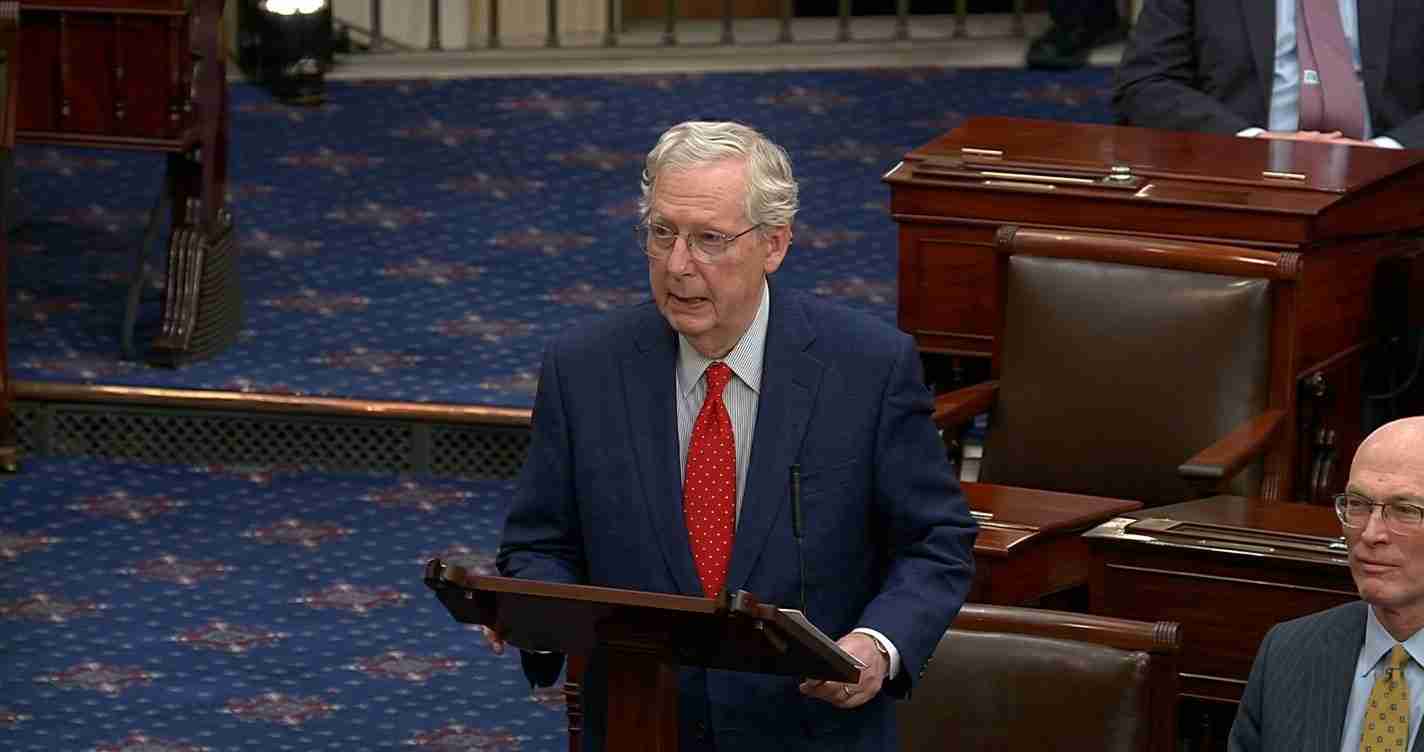
Senate Majority Leader John Thune pushed a full-year DHS funding bill as senators returned from a weeklong recess, forcing a recorded vote that failed to break a filibuster. The measure fell 10 votes short of the 60 needed to advance, ending in a 50-45 party-line tally.
Several Republicans, including Sens. Mike Lee and John Curtis, joined leadership in backing the bill as part of an effort to quickly reopen DHS operations. The session marked the chamber’s first substantive action since the recess, after an earlier similar proposal also failed earlier in February.
Negotiations and the sticking points
Talks between the White House and Senate Democrats produced back-and-forth counteroffers but no meaningful compromise. Sources reported negotiations largely stalled during recess and were expected to resume after the President’s State of the Union address.
“We have been passing paper back and forth with no real changes,” Senate Minority Leader Chuck Schumer said, criticizing the administration’s negotiating posture.
Democrats insist the impasse is about concrete ICE reforms and external oversight: judicial warrants for certain arrests, independent investigations of misconduct, limits on enforcement in sensitive locations, and other safeguards. House Democrats, led by Hakeem Jeffries, called for “dramatic, meaningful, bold, transformational reform” at ICE.
Government shutdown impact: which DHS services are disrupted
The funding lapse has forced many DHS components to operate under emergency authorities or reduced capacity. Customs and Border Protection suspended courtesy escorts for members of Congress and temporarily turned off Global Entry at some airports as agents were diverted. FEMA paused non-emergency work, restricted travel to active disasters and halted certain public assistance and reimbursement activities, potentially delaying support for communities facing wildfires, storms or floods.
Other DHS operations, including TSA and the Coast Guard, are functioning under emergency rules. Essential personnel continue working, frequently with delayed or partial pay and strained resources. DHS Secretary Kristi Noem announced emergency measures as the lapse extended into a second week.
Pressure tactics and political maneuvering
The White House has applied pressure aimed at Senate Democrats and their leadership to secure a deal; Democrats counter that the administration has not engaged in good-faith bargaining on the sought reforms. Republican appropriators blamed Democrats for rejecting short-term extensions that might have averted the lapse.
Public opinion and advocacy
Civil liberties and immigrant-rights groups praised the Senate block, framing it as leverage to secure written reforms. The ACLU cited polling it said showed majority support for withholding DHS funds until structural changes are enacted, a dynamic shaping Democrats’ negotiating stance.
Implications for San Luis Obispo, California
Economic impact
- FEMA pauses and delays: Local governments and agencies in San Luis Obispo County could face delayed federal reimbursements and paused public assistance for past or ongoing disasters, straining budgets and slowing recovery work after wildfires or storms.
- Trade and customs: Agricultural businesses and wineries that rely on timely customs processing through larger California ports could see slower shipments and higher costs if CBP disruptions persist.
Political consequences
Residents who rely on federal disaster aid or travel internationally may pressure the region’s congressional delegation for swift action. Local officials are likely to call for full DHS funding restoration to safeguard emergency services and economic ties.
Social effects
Suspensions like Global Entry and CBP agent diversions may cause longer airport lines and travel delays for Central Coast residents. Coast Guard and TSA impacts could affect maritime safety and screening at airports, raising concerns for coastal communities dependent on search-and-rescue and maritime enforcement.
Practical applications for residents
- Prepare for FEMA delays: Local governments and nonprofits should review emergency plans, document damage, and plan budget contingencies in case federal aid is delayed.
- Check travel status: Travelers should verify Global Entry availability and airline guidance when transiting through larger hubs and expect potential delays.
- Contact representatives: Constituents concerned about delayed aid, border effects, or ICE policy should reach out to members of Congress to express priorities and request updates.
Reporting and sources
This article synthesizes reporting and statements from multiple outlets and official sources:
Reporting note: This piece synthesizes reporting by the Times Media Service and the outlets cited above.