Senate Rejects Measure to Curb Trump’s Strikes on Suspected Drug Boats as Two GOP Senators Break Ranks
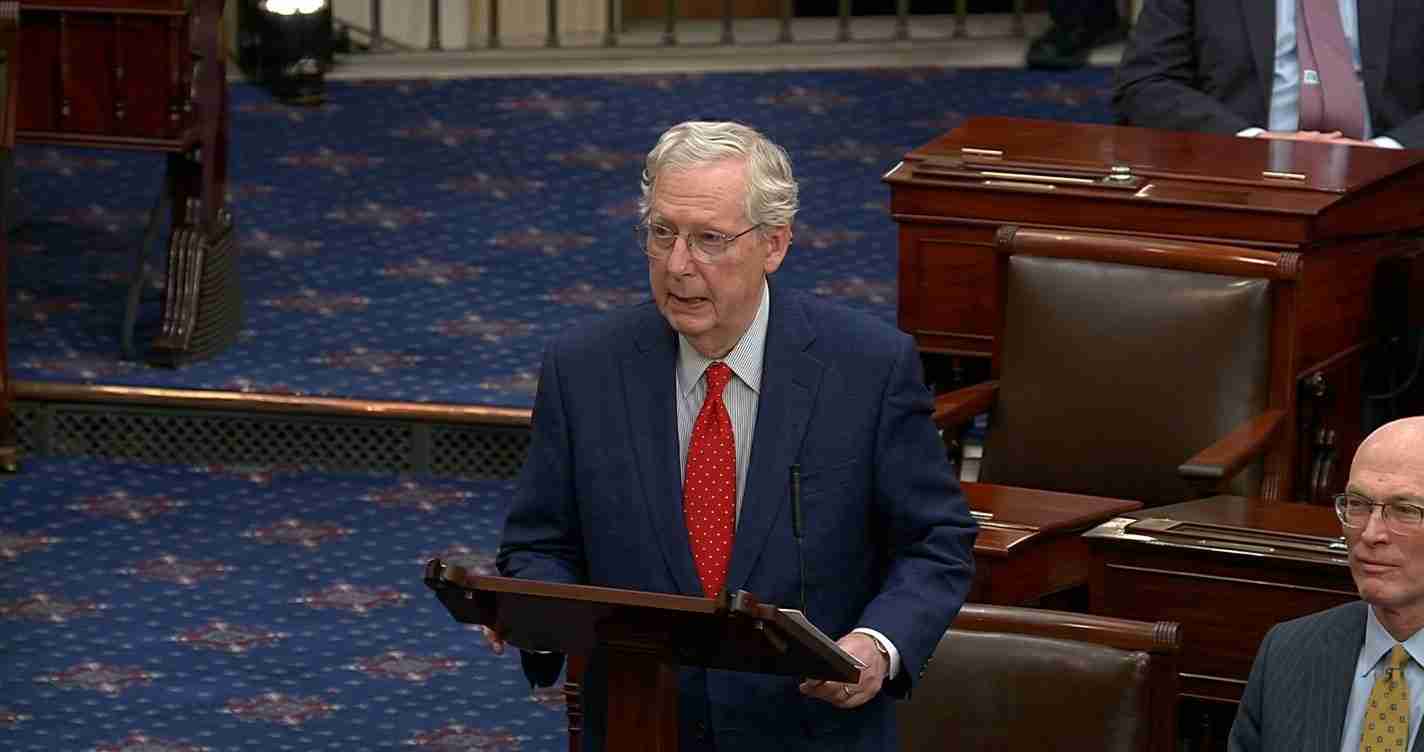
Senate rejects a Democratic-led resolution to require congressional approval for President Trump’s strikes on suspected drug-smuggling vessels, a vote largely along party lines though Sens. Rand Paul and Lisa Murkowski joined Democrats to support the measure.
Key takeaways
- The resolution failed: Senators voted down a measure that would have required the president to obtain congressional authorization before ordering further strikes on vessels and related targets tied to drug-trafficking groups — Fox News.
- Two GOP defections: Sens. Rand Paul (R‑Ky.) and Lisa Murkowski (R‑Alaska) joined most Democrats in support; Sen. John Fetterman (D‑Pa.) was the lone Democrat to oppose it — WTOP.
- Administration defense: The White House frames the strikes as self-defense under inherent executive authority as commander-in-chief; critics argue congressional authorization is required — DTN Progressive Farmer.
- Reported impacts: President Trump ordered at least four strikes in the Caribbean that destroyed vessels and reportedly killed at least 21 people while the administration said some drugs were interdicted — ClickOrlando.
What the Senate vote was about
Senators debated a measure described by backers as a version of the Senate War Powers Resolution. Its text would have required the president to “terminate the use of United States Armed Forces” against suspected drug‑trafficking organizations or in states where they operate unless Congress explicitly authorized the operations through a law or declaration of war. Supporters argued it would restore constitutional balance and prevent mission creep outside declared wars — reporting and legislative context: Fox News.
Arguments and debate in the Senate
Supporters like Sens. Tim Kaine (D‑Va.) and Adam Schiff (D‑Calif.) framed the measure as a necessary guardrail on executive power, saying lethal force should not be used abroad against non‑state criminal groups without congressional oversight.
Opponents, mainly Senate Republicans, warned the measure could handcuff commanders in the field and impede fast responses to imminent threats. They defended the president’s authority to act swiftly when lives are at stake — coverage and analysis: WTOP, DTN Progressive Farmer.
The vote and the cross-party break
The tally fell short of the simple majority needed for passage. The vote split mostly along party lines, but two Republicans — Sen. Rand Paul and Sen. Lisa Murkowski — joined Democrats in supporting the resolution. Sen. John Fetterman was the lone Democrat to oppose it. Media reporting documented the final outcome and the political dynamics: Fox News, WTOP.
Why some Republicans voted with Democrats
Sen. Rand Paul has long questioned broad interpretations of executive war powers and pushed for greater congressional oversight of military actions. Sen. Murkowski cited constitutional concerns and the risk of mission creep. Their votes underscored that disagreement over executive military authority can cut across party lines on civil liberties and separation of powers — reported context: Washington Examiner.
Administration’s defense and international law questions
Administration position: The White House defends the strikes as “targeted” actions of self‑defense, arguing that those facilitating large‑scale narcotics shipments act as armed combatants and that the president has inherent authority as commander‑in‑chief.
Opponents counter that the campaign may violate domestic and international legal norms, pointing to Article I, Section 8 of the U.S. Constitution (Congress’s power to declare war) and arguing lethal strikes outside declared wars require clearer legal grounding. Critics also note U.S. Coast Guard statistics suggesting many maritime interdictions yield no drugs, raising concerns about wrongful targeting and flawed intelligence — reporting and legal analysis: WTOP, Washington Examiner.
Broader policy and precedent
Significance: Though the resolution failed, the debate represents a significant congressional showdown over the president’s use of force in drug interdiction. Lawmakers asked foundational questions about how to define “armed conflict” when state and non‑state actors mix, and who should authorize lethal force against criminal groups abroad — the president or Congress? Answers could shape U.S. foreign policy, military practice, and legal norms for years to come (WTOP, ClickOrlando).
Reporting on the strikes
News coverage has documented at least four U.S. attacks on suspected drug‑smuggling boats in the Caribbean that resulted in vessel destruction and multiple deaths. Officials say some narcotics were seized or destroyed; opponents say independent verification is needed and that full facts remain unclear — reporting links: WTOP, ClickOrlando.
Key sources and further reading
- Fox News: Two Republicans vote with Dems as Senate GOP spikes bid to block Trump’s strikes on drug-smuggling boats
- WTOP: Senate vote tests Trump’s authority to strike vessels he says are carrying drugs
- ClickOrlando: Senate vote tests Trump’s authority to strike vessels he says are carrying drugs
- Washington Examiner: Trump Senate vote strikes drug boats
- DTN Progressive Farmer: Senate Republicans vote on legislation
Implications for San Luis Obispo, California
Though the vote was federal and focused on operational and constitutional questions, it has local implications for San Luis Obispo County:
- Economic impact: The county’s tourism, agriculture and small businesses could see ripple effects if expanded interdiction or related policies affect shipping, insurance rates, or supply chains, potentially raising costs for growers and distributors (DTN Progressive Farmer).
- Public safety and drugs: Shifts in federal maritime interdiction could redirect trafficking routes and methods, affecting local law enforcement patterns and public‑health demand for treatment and prevention services (WTOP).
- Political consequences: The vote may sharpen views among moderate voters and prompt constituents to seek clarity from local representatives on oversight of executive military authority (Fox News).
- Legal and civic engagement: Civic groups, schools and libraries can use this moment to educate residents about Article I, Section 8 of the Constitution and the role of Congress in authorizing force (Washington Examiner).
Practical steps for residents and officials
Recommended actions:
- Ask members of Congress for clarity on the legal grounds cited for the strikes and what oversight exists.
- Coordinate between public‑health and law‑enforcement agencies to monitor local drug trends following federal interdiction changes.
- Hold public forums and informational sessions explaining the Senate vote and the proposed War Powers language so constituents can ask informed questions of federal representatives.
Conclusion
The Senate’s rejection of the resolution leaves the constitutional debate unresolved. For communities such as San Luis Obispo, the episode raises practical concerns about safety, accountability and how national policy choices can produce local consequences. Residents and officials should follow developments, ask for legal clarity, and plan for potential shifts in drug‑supply dynamics.