Trump blasts liberal justices after Supreme Court strikes down bulk of tariffs, vows new actions
The Supreme Court ruled 6-3 that former President Trump exceeded emergency authority in imposing wide tariffs, invalidating most of the program. At a White House press conference, Trump praised conservative dissenters and vowed alternate trade actions.
- Court majority: A 6-3 ruling found Trump exceeded statutory authority, striking down most of the tariff program; see the video of ruling coverage and reaction.
- Dissenting conservatives: Justices Brett Kavanaugh, Clarence Thomas and Samuel Alito dissented — with Kavanaugh authoring the main dissent and warning of practical consequences.
- Trump’s pledge: At the White House, Trump praised the dissenters, criticized three liberal justices and vowed a new 10% tariff plus Section 301 investigations; watch the White House clip.
- Local stakes: The decision and any new national tariff plan could ripple to regions like San Luis Obispo — from farmers to manufacturers.
What the court decided and why it matters
The high court’s 6-3 majority concluded the former president exceeded the authority Congress granted when using emergency powers to impose sweeping tariffs. The majority rejected the legal theory central to the tariff program, narrowing the executive branch’s unilateral reach on trade policy.
That legal limit matters because it defines future presidential options: without the same emergency authority, administrations will need other statutory paths or new legislation from Congress to impose broad import duties lawfully.
Kavanaugh’s dissent and the practical consequences
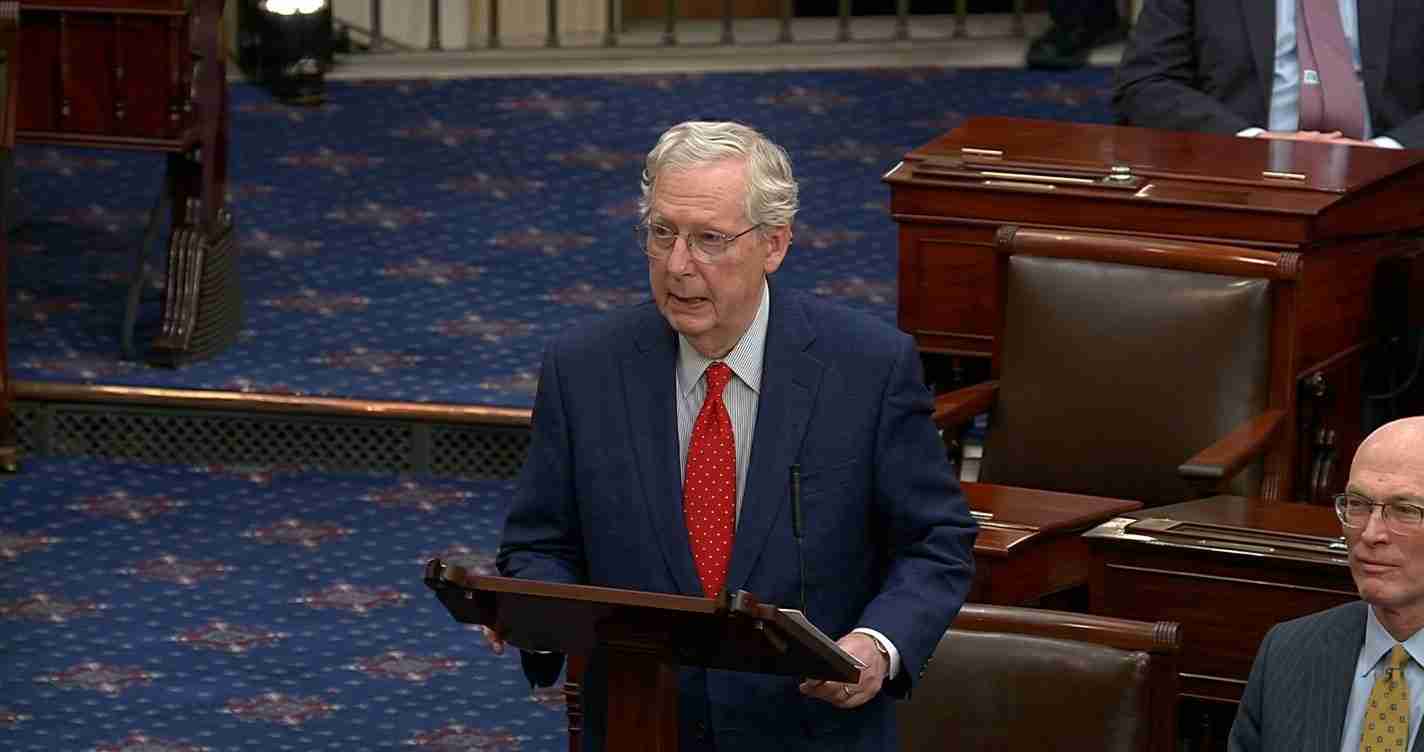
Justice Brett Kavanaugh wrote the primary dissent, arguing that presidents have “commonly” used tariffs to regulate imports and warning of “serious practical consequences” from the ruling. He highlighted potential refund exposure for tariffs already collected — a point that could have major economic effects.
Practical warning: Kavanaugh cautioned that refunds or legal uncertainty could ripple across supply chains and sectors, amplifying economic disruption.
This Kavanaugh tariff dissent frames the dispute as both constitutional and pragmatic: beyond separation-of-powers questions, businesses and markets may face immediate fallout if refunds or litigation follow. See Kavanaugh’s arguments in the dissent coverage.
Trump’s response: new tariffs and investigations
At a White House press conference, Trump praised dissenting conservative justices — naming Justices Thomas, Alito and Kavanaugh — and called liberal justices “an automatic no” on matters he favors. He said he would pursue alternate tools, including signing an order for a 10% tariff and launching Section 301 trade investigations to address perceived unfair practices.
Trump framed these moves as ways to protect jobs and raise revenue: “We have alternatives. Great alternatives. Could be more money. We’ll take in more money, and we’ll be a lot stronger for it,” he said, claiming his policies could still bring “hundreds of billions of dollars.” Watch the remarks in the White House clip.
Why experts and markets are watching
Legal scholars, economists and trade experts will monitor the aftermath closely. The ruling narrows executive trade authority and may push future administrations to seek congressional authorization for broad measures.
Markets and import-dependent companies face uncertainty: an across-the-board 10% tariff would broadly raise costs and consumer prices, while targeted Section 301 actions would create concentrated winners and losers depending on affected countries or products.
Source attribution and available video records
This story relies on video coverage and clips of both the Supreme Court decision and the White House press conference. See the Supreme Court ruling clip and the White House remarks clip for original footage and full remarks.
Investigative questions raised by the ruling and response
- Legal route: If emergency powers are off the table, what specific authority will the administration cite for a new 10% tariff? Will Congress be asked to pass new legislation?
- Economic impact: How much revenue would a 10% tariff realistically raise, and how would it change consumer prices and input costs for businesses?
- Refund exposure: Will parties that paid previous tariffs seek refunds, and how will the government respond to potential repayment claims raised by the Kavanaugh tariff dissent?
- Trade retaliation: Would other countries respond with measures affecting U.S. exporters, including farmers and manufacturers?
Implications for San Luis Obispo
Economic impact
San Luis Obispo County’s agriculture, wineries and food processors could feel ripple effects from national tariff changes. Tariffs on chemicals, equipment parts or packaging would raise operating costs for ranches and wineries, while retaliatory measures could shrink export markets.
A broad 10% tariff on consumer goods could also raise prices locally — affecting household budgets and increasing costs for manufacturers and repair businesses across downtown San Luis Obispo and Highway 101 corridor towns.
Political consequences
Local leaders and county officials may be pressed to respond. San Luis Obispo elected officials, who emphasize economic stability and support for agriculture and small business, might push for protections or targeted relief if tariffs raise costs significantly.
The issue could also surface in local campaigns, with candidates asked to take positions on federal trade policy and its impacts on the region.
Social effects
If tariffs increase prices on everyday goods or raise input costs for employers, lower- and middle-income households could feel strains sooner. Workers in manufacturing, construction, hospitality and agriculture may face tighter margins or slower hiring if businesses trim costs.
Cultural relevance
San Luis Obispo’s identity is tied to agriculture, wineries and tourism — sectors often engaged in global markets. Policies that make exporting harder or importing equipment more expensive may affect the region’s ability to compete internationally and preserve artisanal brands.
Practical applications for residents
- Businesses: Review supply chains and contracts to identify tariff exposure; develop contingency plans for imported inputs.
- Agricultural producers: Monitor targeted measures or retaliatory steps that could alter export demand.
- Local governments: Consider briefings or working groups to assess county-specific impacts and mitigation options, including assistance programs.
- Consumers: Expect price volatility for goods reliant on imports; budgeting and local purchasing may help mitigate effects.
Reporting note
This story draws on video coverage of the Supreme Court ruling and the White House press conference. Source material includes the Supreme Court clip and the White House press conference clip.