Trump, Mamdani Find Common Ground on Housing and Costs After Oval Office “Love Fest”
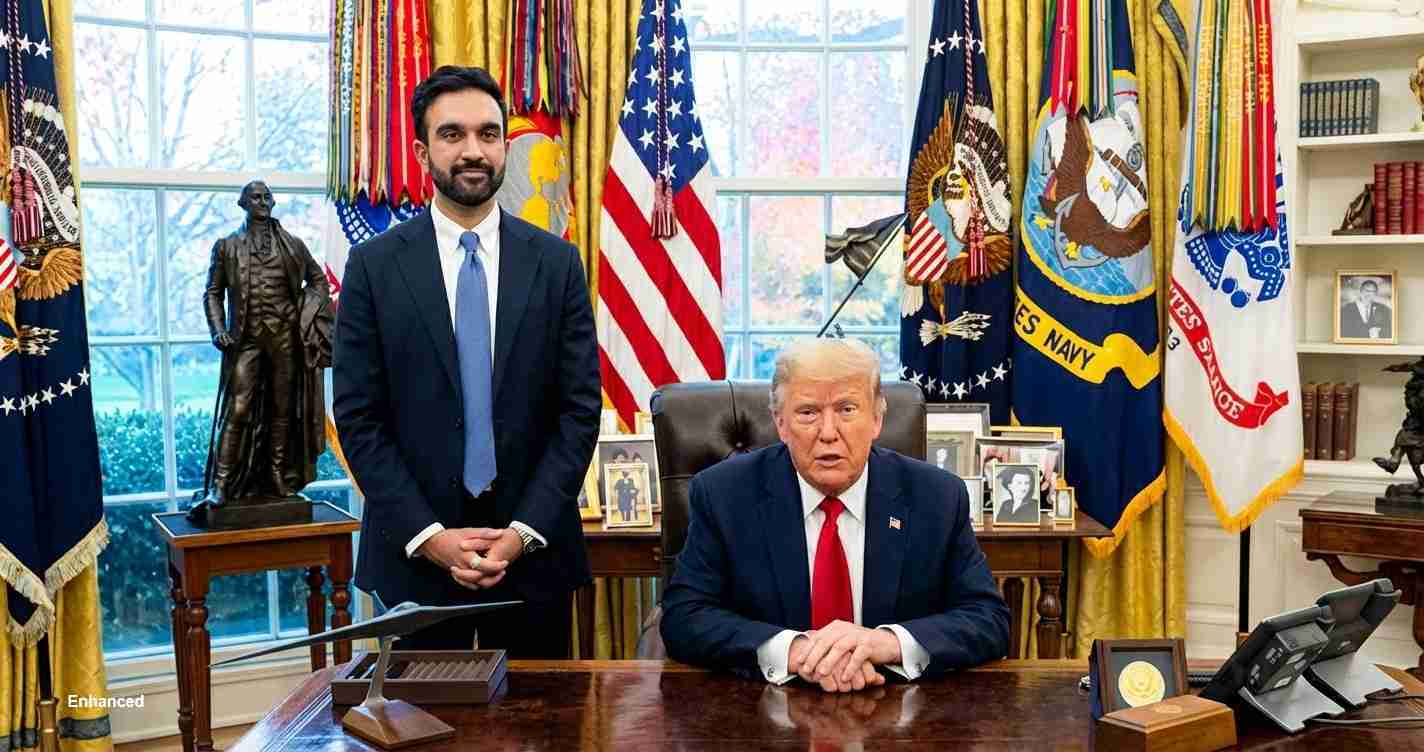
WASHINGTON (Times Media Service) — President Trump and New York City Mayor‑elect Zohran Mamdani met in the Oval Office on Nov. 21, 2025, and pledged cooperation on housing affordability, energy costs and federal funding after a tense campaign marked by sharp mutual criticism.
- Unexpected détente: The Nov. 21 Oval Office meeting featured conciliatory tone and a pledge to focus on affordability and housing supply (White House video of Nov. 21 Oval Office meeting).
- Shared priorities: Both leaders emphasized lowering rent pressures, expanding housing units and tackling rising energy bills, including pressure on Con Edison rates.
- Federal funding stance softens: Trump signaled he would not broadly use federal funds as a political cudgel against New York City.
- Local ripple effects: Potential federal housing and utility measures could create funding and policy opportunities for places like San Luis Obispo, California.
The meeting and tone shift
The Oval Office encounter felt markedly different from the campaign: what had been a heated public feud became, at times, almost cordial. During the race, Trump repeatedly called Mamdani a “communist,” and Mamdani had at times likened Trump to fascism (source: White House video).
Video shows moments where President Trump interrupted a reporter’s question about Mamdani’s earlier comments and even counseled the mayor‑elect to avoid long explanations: “it is ok, you can just say yes, it is easier than explaining,” and at one point the president defended Mamdani’s remark instead of escalating (source: meeting video). Trump also said he would feel comfortable living in New York under Mamdani’s leadership after their conversation.
Shared priorities on affordability and housing
Both men framed affordability as urgent. The discussion centered on ways to reduce rent pressure and expand housing supply across New York City. While specific measures were not spelled out publicly, their comments emphasized boosting housing production and easing the cost‑of‑living squeeze for working families.
“We want to work on anything that benefits New Yorkers,” Mamdani told reporters, while reserving the right to oppose policies he deems harmful (source: Hindustan Times reporting).
The conversation included related costs such as energy bills — notably public pressure on Con Edison rates — suggesting federal engagement could pursue consumer relief through regulatory scrutiny or support (source: White House video).
Policy common ground and future cooperation
Political significance: A notable moment was President Trump’s apparent retreat from blanket threats to withhold federal funding from New York City. He signaled he did not plan to use federal dollars broadly as a punitive tool (source: meeting video).
Mamdani’s team described the Oval Office visit as routine for an incoming mayor and emphasized mutual reliance between the federal government and the city when addressing shared challenges (Hindustan Times).
- Cooperation path: Both pledged to work on concrete items that directly benefit New Yorkers while preserving political disagreements where necessary.
- Mechanisms: Follow‑up is likely to involve negotiations with Congress, state agencies, city authorities and developers.
Political implications
The meeting complicates simple partisan narratives. Analysts note Republicans may find it harder to portray Mamdani’s agenda as outside the mainstream when the president endorses similar affordability goals (source: White House video).
Risks and tradeoffs: Mamdani must balance working with Trump without alienating his progressive base; Trump risks criticism from conservatives for engaging with a left‑leaning mayor. Both appear willing to trade political heat for practical gains.
What the public saw and what remains unclear
Video clips show cordial moments and direct talk about priorities, but many details remain unresolved: there was no public outline of specific federal actions to lower rents, force utility rate cuts, or a timetable for housing projects (sources: White House video; Mamdani policy overview).
Translating broad agreement into policy will require detailed negotiations across multiple levels of government and with private partners.
Sources and documentation
Primary documents and reporting cited in this article:
- White House video of Nov. 21 Oval Office meeting
- Mamdani policy overview and post-meeting comments
- Hindustan Times reporting on Mamdani willingness to work with Trump for New Yorkers’ benefit
Implications for San Luis Obispo, California
Economic impact: Federal housing and energy policies influenced by a Trump‑Mamdani accord could increase funding opportunities for state and local housing projects, including in San Luis Obispo County. Local governments might compete for grants tied to housing supply or energy retrofits.
Political consequences: A bipartisan posture at the federal level could make it easier for moderate local officials to seek federal help without severe partisan backlash.
Social and cultural effects: Residents who face long commutes or high housing costs could benefit from programs that expand affordable housing or lower utility bills; local leaders will likely insist that funding align with environmental and community standards.
Practical applications for residents and officials
- Watch for funding: City and county staff should monitor federal grant announcements tied to housing or utility relief and prepare applications.
- Streamline local policy: Review zoning and permitting to be ready to use funds quickly to build housing if incentives arrive.
- Consumer relief: Utilities pressure or energy‑efficiency programs could lower monthly bills for working families and seniors.
Reporting next steps
Public officials in San Luis Obispo and across California will watch follow‑up talks for concrete programs. Local housing agencies and planners should track federal guidance and funding streams tied to affordability and energy costs so they can act swiftly if opportunities emerge (source: Oval Office video).