Lawmakers signal first real movement in US government shutdown negotiations, raising hopes the ‘end of the beginning’ may be near
Lawmakers are signaling the first meaningful shift in negotiations to end the US government shutdown that began Oct. 1, 2025. Post-election dynamics and rising public pressure have spurred bipartisan willingness to explore short-term funding deals and compromise.
Key takeaways
- Negotiations moving: Post-November election results have opened new lines of negotiation and increased pressure to reopen federal operations.
- Short-term path likely: A continuing resolution (CR) is the most probable immediate fix, but it must clear both chambers and overcome the Senate’s 60-vote threshold.
- Major disputes remain: Core fights include Affordable Care Act tax credits, limits on executive fund transfers and significant spending cuts sought by Republicans.
- Local effects matter: Communities such as San Luis Obispo face economic, social and administrative impacts that intensify demand for a quick resolution.
Key information
The shutdown began after Congress failed to pass funding before Sept. 30, 2025; many federal services have been suspended or reduced since Oct. 1, 2025, according to reporting from CBS News and analysis from the Brookings Institution.
Talks shifted after early November off‑year results, with leaders signaling more willingness to negotiate (see reporting from ABC News).
Main disputes center on Affordable Care Act tax credits, limits on the president’s ability to divert funds, and deep spending reductions sought by Republicans (see Rep. Stanton and ABC News).
The likely short-term fix is a continuing resolution to extend current funding, but such a measure must clear both the House and the Senate, where a 60‑vote cloture threshold remains a major procedural barrier (White House shutdown clock, Brookings).
What changed after the elections
Negotiations had been stalemated for weeks as each side held firm: Republicans pressed for deep spending cuts and policy riders, while Democrats tied funding to protections for health‑care credits and limits on executive actions (Rep. Stanton, ABC News).
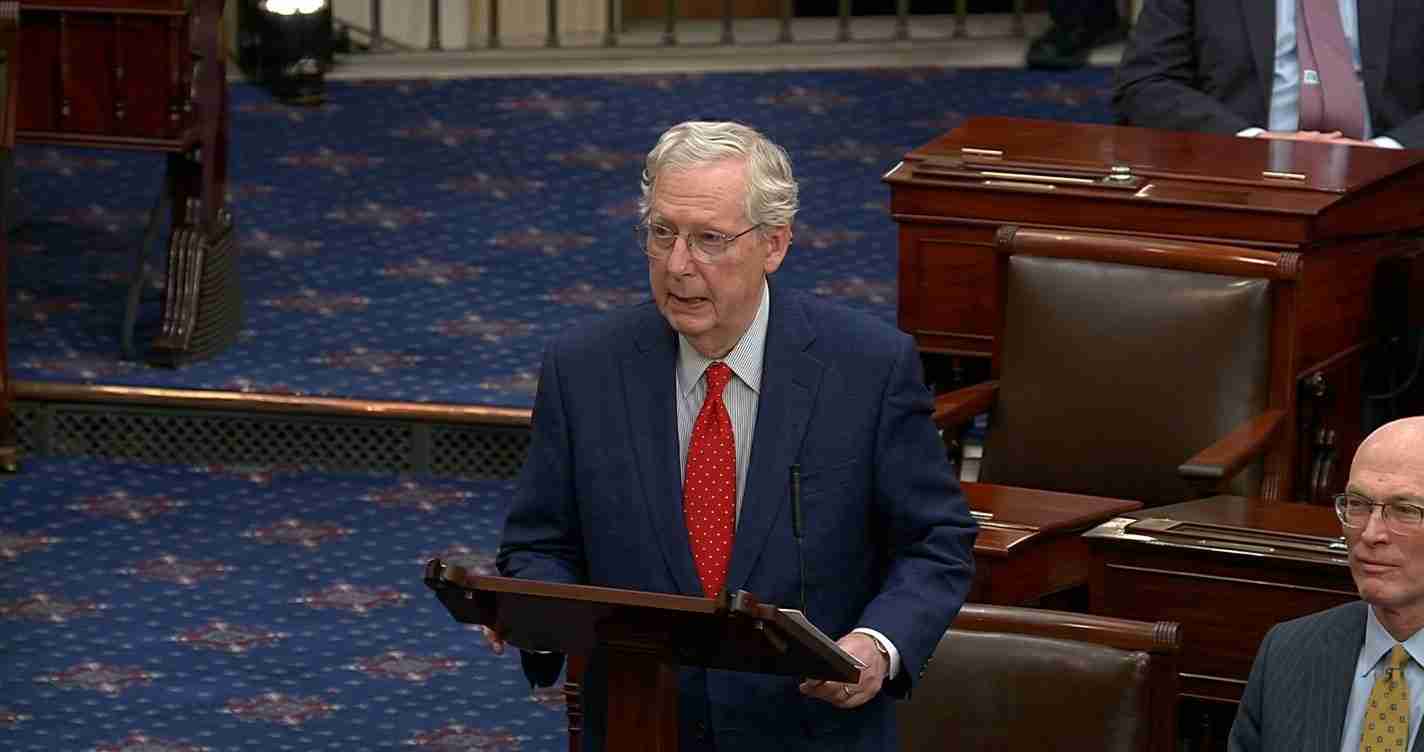
After the Nov. 2025 off‑year races, officials from both parties told reporters the results made them more open to compromise. Senate Majority Leader John Thune said he hoped the vote would “free people up to move forward with opening the government” — a quote highlighted by ABC News:
“free people up to move forward with opening the government”
Observers emphasize this is the first meaningful motion since the shutdown began, but it does not guarantee agreement. Leaders are testing narrow compromises that could win enough support in both chambers and among the public (Holland & Knight).
The heart of the Congress budget dispute
This impasse is a classic budget standoff. Republicans initially pushed for a “clean” continuing resolution that funds the government at current levels without policy riders, while many in the GOP also sought major reductions in tax breaks and spending—estimates in reporting put proposed changes near $1 trillion (ABC News).
Democrats counter that any short‑term funding bill must protect families and the health‑care safety net, including continuing Affordable Care Act tax credits and adding checks on executive transfers of funds (Rep. Stanton, ABC News).
In the Senate, the 60‑vote cloture rule means bipartisan backing is essential; proposals appealing to only one party have repeatedly failed to advance (White House, Brookings).
Operational impacts: which federal services are suspended or strained
Federal operations suspended or curtailed span many agencies. Nonessential staff remain furloughed, safety‑net programs operate on contingency funds, and benefits have been reduced or delayed in places. The Department of Agriculture has shifted contingency SNAP funding in some cases and federal officials prepared emergency WIC funding (Holland & Knight).
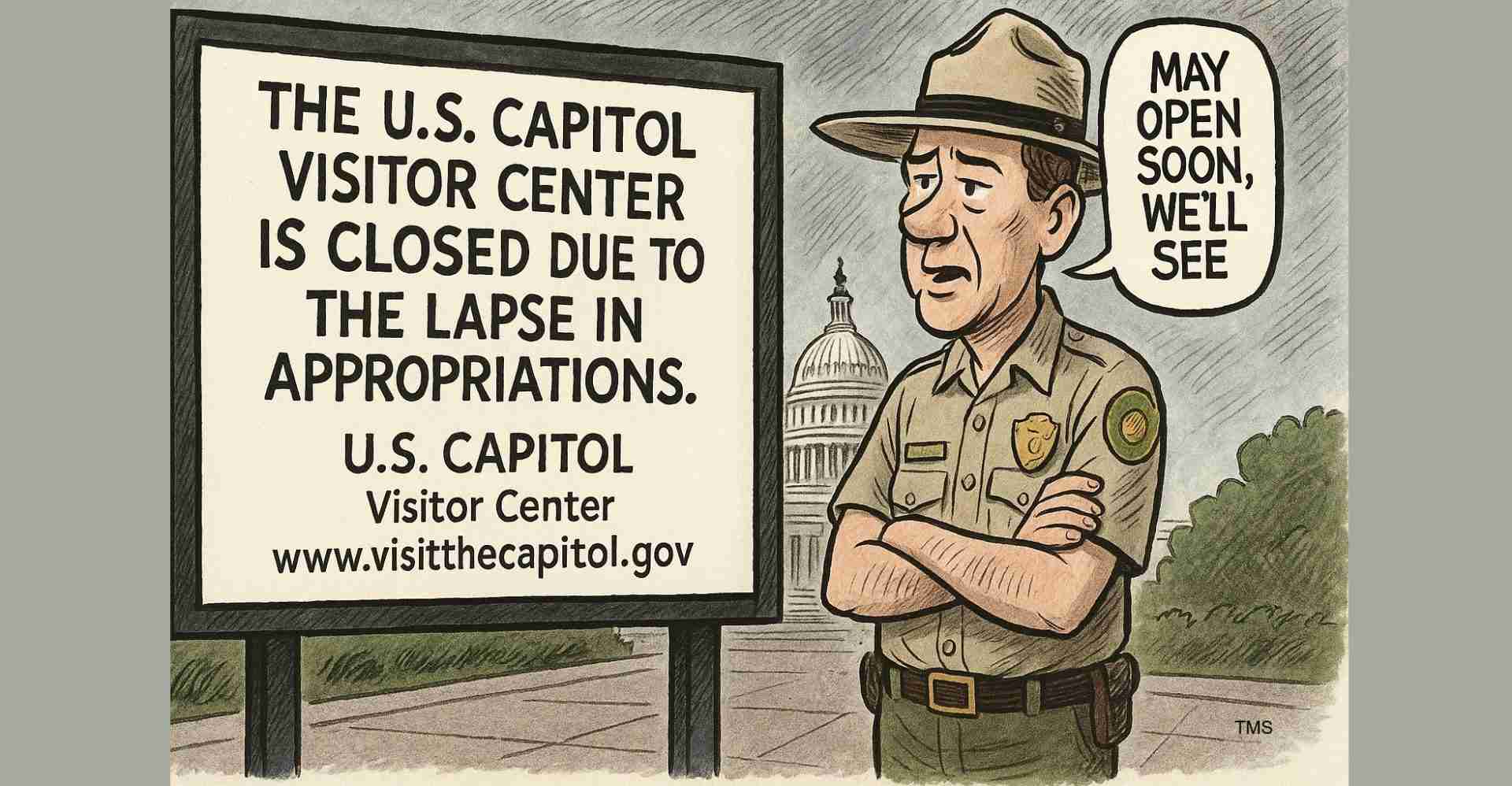
Air traffic operations face capacity cuts as the Department of Transportation scales back overtime and staffing. Military and veteran pay was covered for October, but future pay dates are uncertain without a deal. Contractors, grant recipients and routine public interactions with the federal government all feel ripple effects (CBS News, Brookings).
Public pressure has grown as communities experience delays, and officials cite that pressure as a key driver of the newly active talks (ABC News).
Administration responses and emergency steps
The administration has used contingency funds and targeted measures to blunt impacts, moving SNAP funds in some jurisdictions and signaling steps to shore up WIC support (Holland & Knight). The White House also maintains a running shutdown clock to explain shifting impacts and priorities.
Experts warn these are temporary fixes; research suggests shutdowns persist until political costs force decisive moves or procedural rules change—outcomes that are not guaranteed (Harvard Kennedy School, Brookings).
Legislative maneuvering and the path forward
Most lawmakers expect a continuing resolution (CR) to be the next step to buy time while broader talks continue. A CR extends current funding levels for a set period, avoiding immediate lapses for many services (White House, Brookings).
Any CR must clear both chambers. In the Senate, cloture rules require 60 votes to proceed on most measures, so bipartisan support remains essential. Recent weeks saw Senate Republicans reject proposed filibuster changes, demonstrating resistance to altering procedural barriers (Holland & Knight).
Observers say the mix of public pressure, election shifts and visible strain on services makes a CR more plausible, but fights over ACA subsidies, SNAP and Medicaid rules and demands for large cuts could still stall progress (Rep. Stanton, ABC News).
Voices in the debate
Democratic leaders frame their stance as protecting families and critical programs, emphasizing preservation of coverage and supports for those most affected (Rep. Stanton).
Republican leaders emphasize fiscal restraint and program changes, but also face pressure from constituents harmed by the shutdown. Reporting indicates some Republicans are now more willing to negotiate to restore pay and services (ABC News).
Policy experts caution that a failed negotiation could deepen fallout; historically shutdowns end when political costs outweigh perceived benefits (Harvard Kennedy School, Brookings).
Implications for San Luis Obispo, California
Economic impacts:
- Federal suspensions or reductions can hit local economies: small business grants, tourism services, and federal contracts tied to universities may be delayed, affecting permits and coastal projects (CBS News, Brookings).
- Federal employees and contractors in the county could face furloughs or delayed pay, reducing local spending and increasing demand for food banks and aid.
Political consequences:
- Local officials will need to answer constituent questions and may coordinate with state agencies to fill gaps.
- Moderate voters in the region may pressure their congressional representatives to support quick measures to reopen the government (ABC News).
Social effects:
- Families dependent on SNAP or WIC could see reduced benefits or administrative delays; local food banks and community groups should expect higher demand (Holland & Knight).
- University students and researchers reliant on federal grants or aid may face funding delays, disrupting academic activity and local vendors.
Cultural relevance & practical steps: San Luis Obispo’s civic networks and faith organizations may step up to fill immediate needs. Residents should monitor benefit notices and consult county social services; planners should check federal permitting timelines for projects dependent on environmental reviews (CBS News, Holland & Knight).
For San Luis Obispo, the immediate priority is supporting residents affected by service reductions while pressing congressional representatives to resolve the US government shutdown and restore federal operations suspended since October (ABC News, Holland & Knight, CBS News).
Sources and further reading
- ABC News: “Spiraling effects of shutdown leave lawmakers grasping for ways to end it”
- Holland & Knight: “Eyes on Washington: Shutdown briefing, Day 37”
- CBS News: “Government shutdown 2025: What happens”
- Brookings Institution: “What is a government shutdown—and why are we likely to have another one?”
- Rep. Stanton: “2025 shutdown”
- White House: “Government shutdown clock”
- Harvard Kennedy School: “Explainer: Why government shutdowns keep happening”