Chevron warns California faces fuel shortage unless policy shifts; company says refineries could close in 10 years
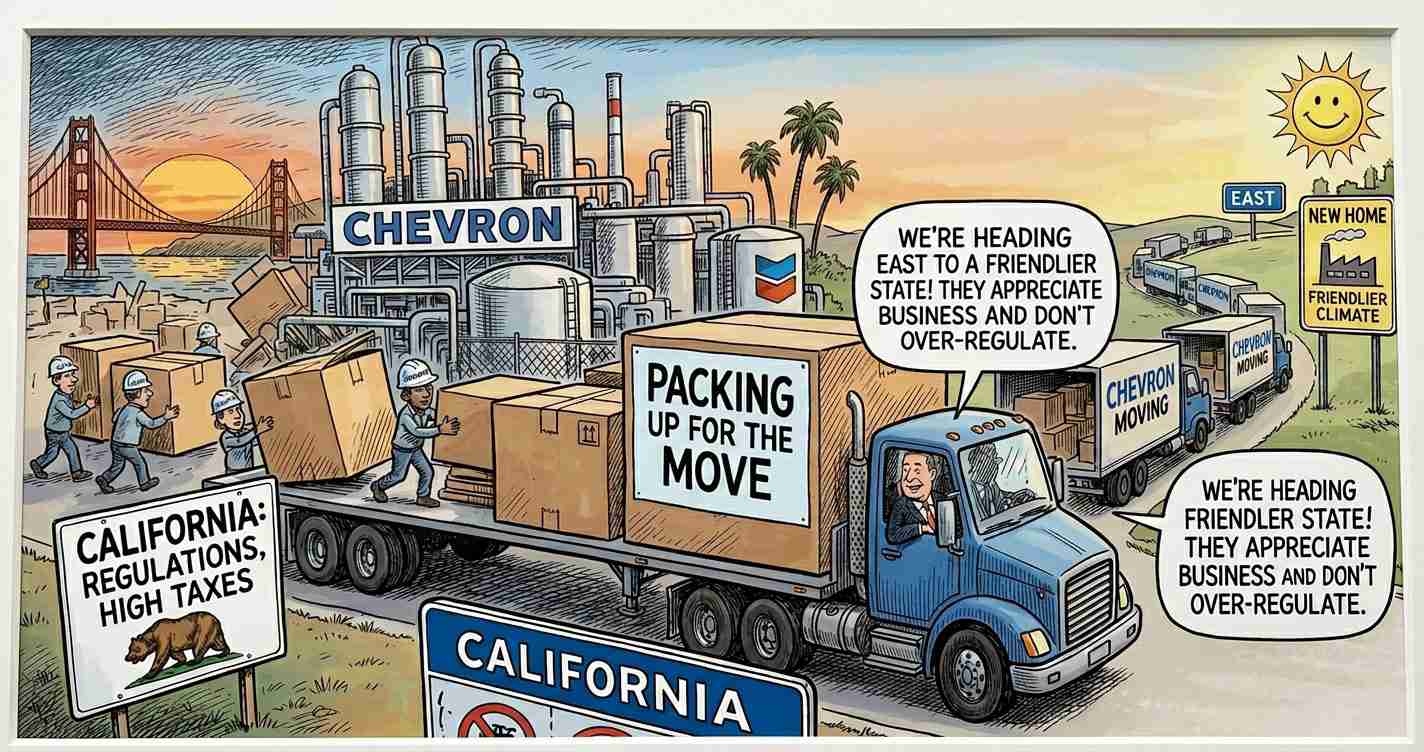
Chevron President Andy Walz warned California could face a severe fuel shortage and sharply higher gas prices within ten years unless state policy and taxes change, as geopolitics and regulatory costs squeeze refining capacity and supplies.
- Chevron says it may exit California within 10 years if current tax and regulatory trends continue — TTNews article.
- Geopolitical disruptions from the Iran war and Strait of Hormuz issues are tightening international shipments that normally help meet California demand — TTNews.
- Cap-and-Invest changes could add roughly $500 million in costs over five years and push gas prices higher — reported by Fox Business and TTNews.
- Losing Chevron operations would remove ~34% of state refining capacity, increasing supply vulnerability (California Energy Commission figures cited by Chevron) — TTNews.
The perfect storm: geopolitics and supply links
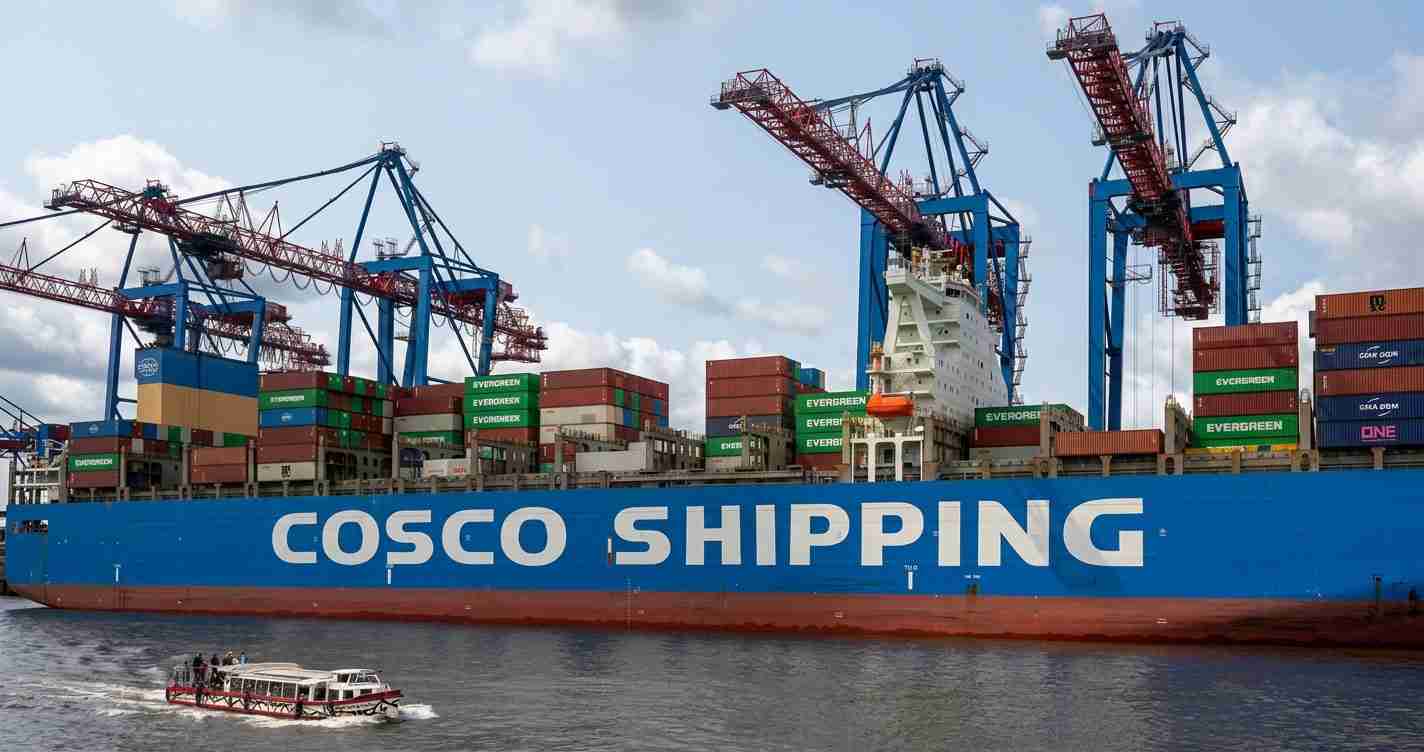
Industry leaders, including Chevron, say California’s risk comes from a linked set of problems: shrinking exports from Asia and disruptions in Middle East shipping that reduce options when local plants falter. Walz said the Iran war and the blocking of the Strait of Hormuz have cut shipments from Asia, removing supplies that normally smooth regional shortfalls.
“Reliance on these imports is a dangerous game,” Chevron has said, warning fewer international options make the West Coast more exposed.
Industry estimates cited by Chevron indicate Asia has already cut exports as Gulf shipments slow; China has at times limited fuel exports amid tightening regional supplies. Those changes reduce volumes that might otherwise flow to U.S. West Coast buyers — a dynamic detailed in TTNews’ coverage.
How imported crude and local refining interact
A nonprofit cited in reporting — Californians for Energy Independence — notes roughly 70% of the state’s crude supplies are foreign imports, which are often refined in-state into gasoline and diesel. That means more than 90% of gasoline used in California is refined locally, leaving the state vulnerable if major refineries curtail output (TTNews).
California’s regulatory burden and Chevron’s case
Chevron’s letter to Governor Gavin Newsom criticized proposed changes to the state’s Cap-and-Invest program, arguing that tighter emissions caps and higher compliance costs would make refinery operations much more expensive. The company estimates the rules could add about $500 million in costs over five years and potentially raise retail gasoline prices by more than $1 per gallon by 2030 — figures reported by Fox Business and TTNews.
Chevron also warned of broader consequences, saying the combination of supply shocks and regulatory pressure could reduce fuel resilience on the West Coast and even pose risks to military readiness, given California’s more than 30 military installations (TTNews).
Structural vulnerability: California as an energy island
Experts describe California as an “energy island.” The state’s fuel system lacks strong pipeline links to Gulf Coast and Midwest hubs, limiting options to offset local outages. Chevron’s calculation, using California Energy Commission data cited in its warnings, suggests losing the company’s plants would slash roughly 34% of the state’s refining capacity, potentially pushing pump prices higher and creating regional scarcity (TTNews).
What Chevron is doing now
To blunt immediate supply pressure, Chevron said it is routing Gulf Coast oil to California via the Panama Canal and using tankers that had been idle due to Strait of Hormuz disruptions. Company leaders stress this is a short-term fix and cannot replace stable, long-term arrangements. Walz urged state leaders to declare an “energy emergency,” roll back what Chevron calls punitive refinery taxes, and pursue reforms to support in‑state production until cleaner alternatives and infrastructure improvements are in place (TTNews).
Policy debate in brief
The core disagreement is a trade-off: state officials and environmental advocates argue that tighter emissions rules are required to meet climate targets and protect public health, while industry leaders warn that abrupt regulatory changes could make refinery operations uneconomical and accelerate closures. Chevron has requested changes to Cap-and-Invest rules and tax relief on refineries, contending that without relief it cannot sustain refining operations in California (Fox Business; TTNews).
Implications for San Luis Obispo, California
Economic impact:
- Gas prices: A statewide shortage or loss of refinery capacity could push pump prices higher across San Luis Obispo County, affecting tourism, agriculture and service industries.
- Local business costs: Higher fuel raises delivery and equipment costs; small businesses and tourism operators could see margins tighten.
Political consequences:
- Local leaders may face pressure to lobby state officials for relief measures to protect regional supplies and jobs.
- The issue could surface in local races as voters weigh energy costs against climate goals.
Social effects:
- Commuters and low-income residents could be disproportionately affected where transit is limited.
- Emergency services may need contingency fuel plans if shortages persist.
Cultural relevance & practical steps: Tourism sensitivity, local stewardship values, and limited transit mean residents and businesses may respond with conservation, carpooling, EV interest, hedging fuel costs, or contingency planning. Local agencies should review fuel contingency plans and ask for clear federal and state resilience strategies (TTNews; Fox Business; OK Energy Today).
Reporting notes and sources
This article draws on industry statements and reporting by transport and business outlets. Key sources include: TTNews’ coverage of Chevron’s warnings, Fox Business’ reporting, and regional energy reporting at OK Energy Today. Additional data points reference industry groups and California Energy Commission figures as cited in those reports.
Sources cited in-text: TTNews; Fox Business; OK Energy Today.