Energy Secretary Invokes Defense Production Act to Restart Sable Offshore’s Santa Ynez Unit, Prompting Legal and Environmental Clash
U.S. Energy Secretary Chris Wright on March 15, 2026 invoked the Defense Production Act to compel Sable Offshore to restart the Santa Ynez oil unit and pipeline off Santa Barbara, igniting legal and environmental clashes with California officials.
Key takeaways
- Federal order: Secretary Wright used the Defense Production Act to direct Sable Offshore to restore the Santa Ynez unit, offshore/onshore pipelines, and the Las Flores Canyon Processing Facility — the Department of Energy remarks and briefing are available via U.S. Energy Department remarks and briefing.
- Capacity impact: Las Flores Canyon is reported capable of about 50,000 barrels per day, a restoration the administration says could replace nearly 1.5 million barrels of foreign crude per month.
- State pushback: Governor Gavin Newsom called the move illegal, cited court orders and pending criminal charges, and pledged legal action against the restart.
- Documentation gap: Reporters found limited formal public documentation beyond statements and video briefings; additional media context is reported by NewsonAir and other outlets.
What the order says and why officials gave it
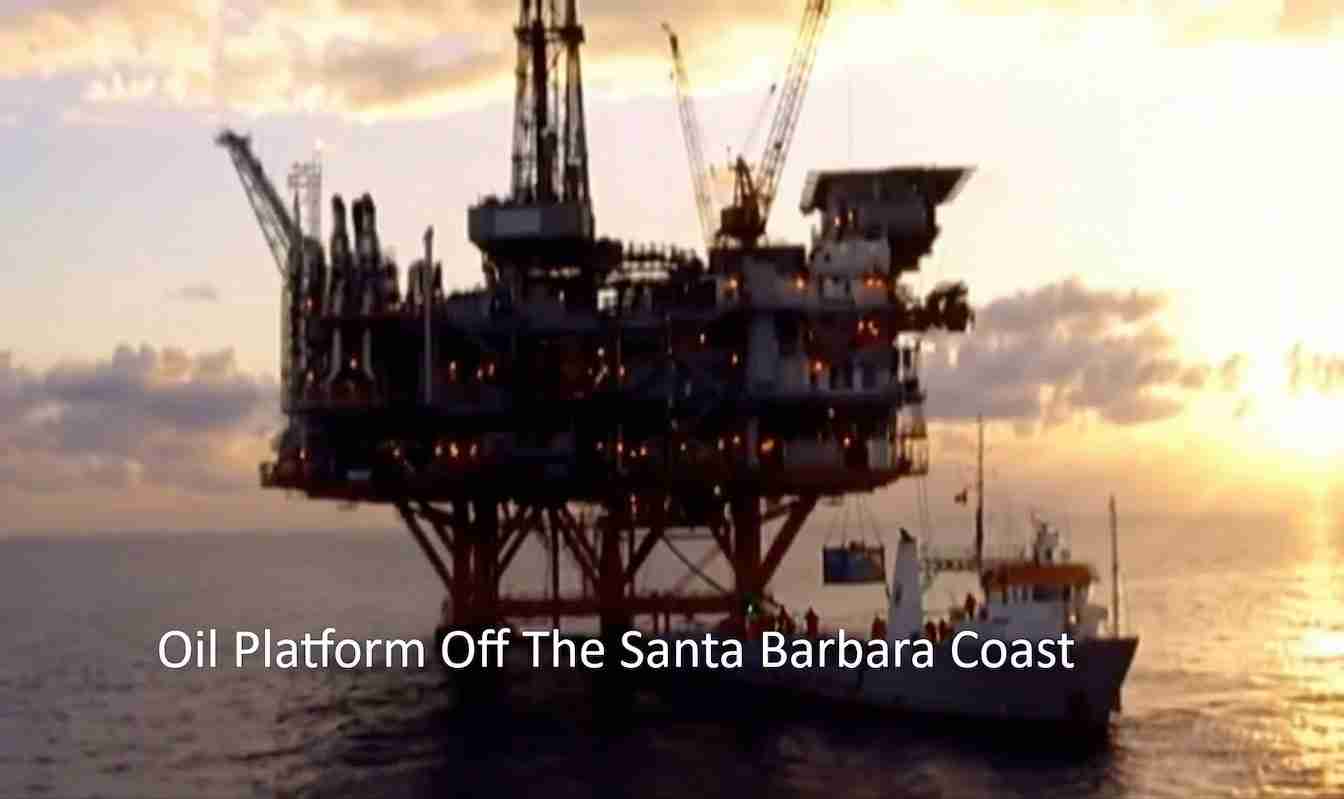
The administration invoked the Defense Production Act in an order dated March 15, 2026 directing Texas-based Sable Offshore Corp. to repair and restore its Santa Ynez oil unit and associated pipeline system in federal waters off Santa Barbara. The Santa Ynez unit encompasses three offshore rigs, both offshore and onshore pipelines, and the Las Flores Canyon Processing Facility.
Federal officials told reporters the Las Flores Canyon facility is capable of producing roughly 50,000 barrels per day and that restoration could substitute nearly 1.5 million barrels of foreign crude each month, which the administration framed as a step to reduce supply risks and support military readiness (U.S. Energy Department remarks and briefing).
“The order will strengthen America’s oil supply and restore a pipeline system vital to our national security and defense, ensuring that West Coast military installations have the reliable energy critical to military readiness,” Secretary Wright said at the briefing.
Administration context: Officials linked the move to President Trump’s first-day executive order reversing a prior ban on future offshore drilling along the East and West coasts and to a court decision that struck down a prior withdrawal of 625 million acres from development.
Legal and political pushback from California
Governor Gavin Newsom responded immediately, calling the action illegal and stating operators face criminal charges and that multiple court orders prohibit restarting the operations. He said California would pursue legal action and would not stand by while its coastal economy and environment are risked (Governor Newsom remarks in Energy Department briefing).
California leaders and environmental groups emphasize an established record of court orders and pending criminal cases tied to the 2015 spill that led to the Santa Ynez shutdown. They warn federal intervention could override state and judicial protections designed to prevent repeat harm to coastal communities and ecosystems.
Environmental and historical context
Opponents pointed to past Central Coast spills — most notably the 1969 Santa Barbara disaster that reshaped statewide offshore policy — to argue a restart elevates spill risk and increases greenhouse gas emissions as California pursues clean-energy goals.
Proponents counter that restored production would create energy-sector jobs, bolster local and national firms, and strengthen a supply chain they say remains vulnerable to international conflicts. The administration also referenced coordinated Strategic Petroleum Reserve actions and international cooperation to stabilize markets (NewsonAir coverage; related remarks; Fox News coverage).
What’s missing from public records
At the time of reporting, independent searches did not locate a standalone Department of Energy news release specifically announcing the Defense Production Act Santa Ynez order beyond public statements and the briefing video. Sable Offshore Corp. had not issued a public response in the sources available to reporters, and the administration did not publish a detailed repair timeline, safety-check schedule, or environmental mitigation plan in those remarks.
Journalists and watchdogs are expected to watch for filings in federal court and statements from Sable, the Department of Justice, the Bureau of Safety and Environmental Enforcement, and California state agencies.
Legal questions and the courts
Both sides referenced court actions: Governor Newsom noted multiple court orders banning restarts and ongoing criminal cases, while the administration asserts federal authority under the Defense Production Act to compel private remediation for national security reasons. Experts say these disputes typically proceed to federal court, where judges balance asserted national security needs against state environmental protections and existing court rulings.
Implications for San Luis Obispo, California
Economic impact
- Tourism, commercial fishing and recreation are vulnerable to perceived or real coastal threats; public concern or an accident could hurt the county’s coastal economy.
- If Las Flores Canyon reaches significant output, some energy-related jobs and service contracts could return, though many roles may go to specialized industry workers rather than hospitality employees.
Political consequences
- Local leaders may face pressure between state opposition and federal framing of national security needs, potentially drawing county officials into legal and regulatory disputes.
- The issue could influence local campaigns, ballot measures, emergency-response funding debates, and coastal-protection policies.
Social effects and community concerns
- Residents in Pismo Beach, Avila Beach and Shell Beach may fear beach closures, shellfish bans, and water-quality impacts; community groups and fishermen’s associations will likely demand transparency on spill-response readiness.
- Environmental groups historically mobilize quickly on offshore issues; a restart could trigger protests, public hearings, and heightened activism.
Cultural relevance
The Central Coast’s identity is tied to ocean recreation and conservation. Restoring offshore oil operations would clash with local values centered on preserving beaches and marine ecosystems.
Practical, daily-life implications
- Possible increases in industrial traffic to onshore facilities, shifts in employment patterns, and more emergency-preparedness drills.
- Local emergency services and county agencies will likely seek assurances on funded spill-response resources and coordination with state and federal responders.
What San Luis Obispo officials and residents can expect next
Expect rapid legal filings from California and possible counteractions by federal agencies that will determine whether work proceeds. Local governments will likely request briefings and insist on written environmental safeguards and spill-response plans. Public statements, safety reviews, environmental assessments, and court filings from Sable Offshore, the Department of Justice, and regulatory agencies will be key documents to watch.
Sources and reporting notes
- U.S. Energy Department remarks and briefing
- Coverage of Energy Secretary Wright on broader Strategic Petroleum Reserve actions (NewsonAir)
- Related Department of Energy remarks (additional video)
- Fox News video coverage
(Reporting by Times Media Service)