‘Keep your head on a swivel’: Mariners foul ball injury captured in viral selfie raises questions about fan safety and the “Baseball Rule”
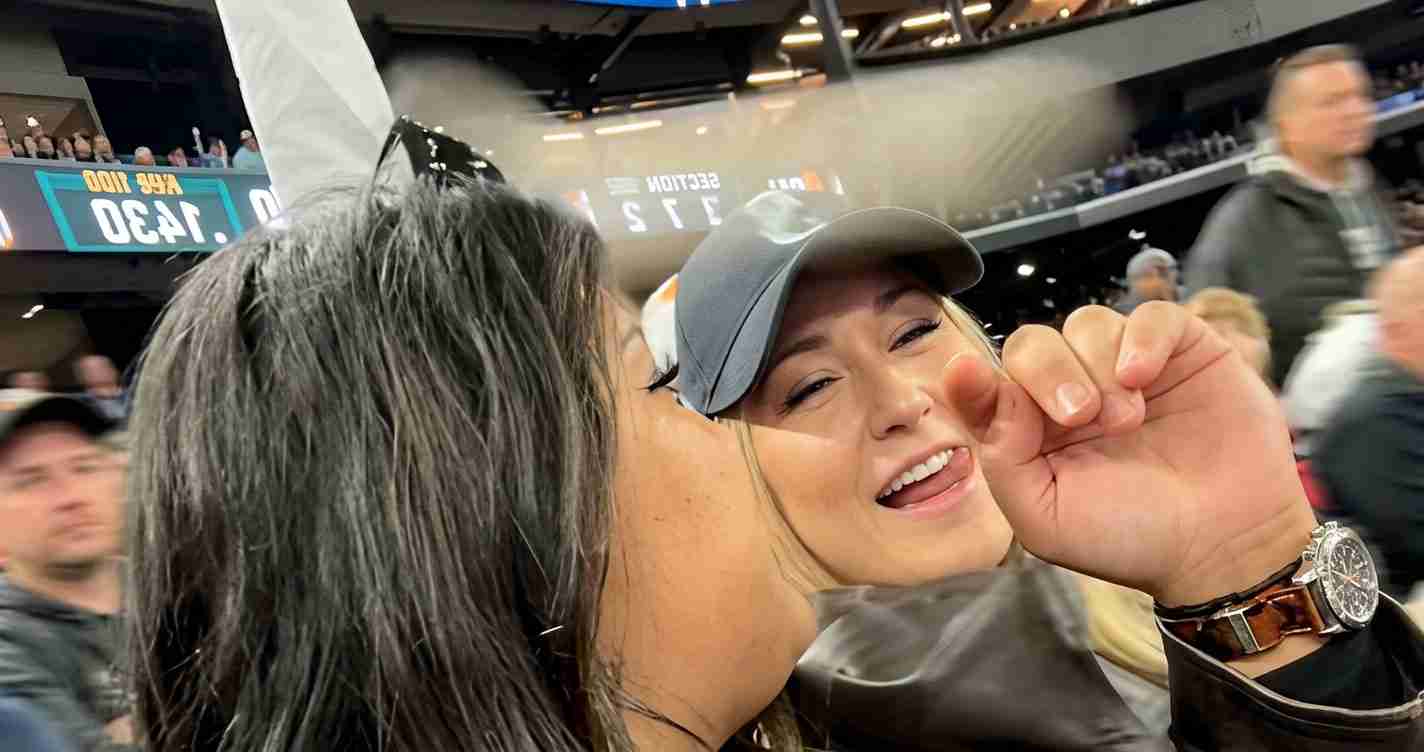
San Diego — At a Seattle Mariners game at T-Mobile Park, fan Jamie Golla was struck on the head by a screaming foul line drive during a live selfie video, renewing debate over stadium safety and the legal “Baseball Rule.”
- Viral incident: Jamie Golla was hit on the top of the head by a hard, screaming foul ball while filming a selfie.
- Medical response: Stadium staff attended and Golla was taken to Harborview Medical Center for evaluation.
- Legal context: The incident spotlights the century-old Baseball Rule that often limits stadium liability.
- Safety debate: Expanded netting has reduced risk behind home plate but many lower-line seats remain exposed.
The video and Golla’s condition
What happened: A widely shared selfie video shows the moment a screaming line-drive foul struck Jamie Golla on the top of her head during the top of the fifth inning at T-Mobile Park. The clip captures the audible crack of impact and the immediate shock of nearby fans.
Immediate response: Stadium staff attended to Golla and she was transported to Harborview Medical Center for observation. The Mariners later followed up and offered Golla and her friends tickets to a future game.
Condition update: Golla told reporters she is “feeling a little better,” with swelling and minor headaches but otherwise “doing okay.” Media coverage of the incident appeared in outlets including New York Post, Fox News and OutKick.
Foul-ball risks and how common these injuries are
Foul-ball injuries are a recurring hazard at baseball games. Legal and safety analyses often cite an estimated 1,750 fan injuries per year tied to foul balls at professional games. Injuries range from minor bruises to severe head trauma, fractures and eye injuries. An ESPN Sport Science segment examined reaction times and estimated fans seated along the baselines may have roughly 0.8 seconds to respond to a screaming line drive—often insufficient to avoid a ball traveling over 100 mph.
Where fans are hit most often
The highest-risk areas are the lower-bowl seats down the baselines and sections near the dugouts, where line drives come with little arc and maximum speed. Even after many parks added extended netting behind home plate and toward the dugouts, seats farther down the lines and some lower rows remain exposed.
Legal backdrop: the Baseball Rule and fan liability
The Baseball Rule is a long-standing tort doctrine that limits team and stadium liability for spectator injuries from foul balls and broken bats. Courts often hold that teams meet their duty by providing customary protective netting and warnings and that spectators assume the ordinary risks of the game. The doctrine relies on ticket disclaimers, long-standing custom and historical precedent.
Challenges to the doctrine
Recent cases have carved exceptions to the Baseball Rule when teams create unusual distractions or when netting and seating are demonstrably inadequate given modern safety expectations. Notable disputes—from a 2010 Turner Field child-injury case to a 2007 Ohio appellate decision involving a mascot—show that courts can scrutinize facts beyond the default assumption of risk. Legal analyses and summaries are available from groups such as NFHS and the Nomberg Law Firm.
MLB’s safety response: extended netting and ongoing limits
High-profile injuries and viral videos prompted MLB to encourage expanded netting. Since the late 2010s, many clubs extended protective netting from behind home plate toward the dugouts and, in some parks, further toward the foul poles. Nets are designed to be thin and minimally intrusive, but extended netting does not cover every seat, leaving exposed lower-line seats vulnerable. See MLB guidance and reporting on safety measures at MLB.
Why fans still get hurt
The physics of a hard-hit foul ball and human reaction time mean some injuries remain difficult to avoid. When a ball is hit as a screaming line drive into lower-bowl seats, fans may have less than a second to perceive and react. Distractions—phones, conversations, or looking away—can be the difference between catching a ball and being struck. Safety experts stress a combined responsibility: teams should provide reasonable protection, and fans should stay alert.
Practical safety advice for fans
- Sit behind extended netting for maximum protection.
- Keep phones down and heads up in lower-bowl or baseline seats while the ball is in play.
- Avoid leaning over railings or standing in dangerous positions to reach for a foul ball.
- Parents: consider higher or net-protected seats for young children.
- If you choose unprotected seats, understand you accept a greater risk of contact.
Recommendations and safety guidance are discussed by fan-safety and legal experts such as the Nomberg Law Firm and NFHS.
Implications for San Luis Obispo, California
The incident holds local relevance for San Luis Obispo (SLO) residents and community sports organizers:
- Local fans and families: SLO residents traveling to MLB parks should check seating maps and consider net-protected seats for road trips to Seattle, Los Angeles or San Francisco.
- College and youth teams: Regional programs, including Cal Poly, can reassess netting, signage and spectator positioning at local fields.
- Local venues and liability: Operators should confirm that tickets and signage clearly communicate hazards and consider extended netting where warranted under California law.
- Fan culture: Promote vigilance while preserving the family-friendly atmosphere, e.g., encouraging selfies behind netting.
- Travel advice: Check stadium seating maps for netting coverage before buying tickets for MLB road trips.
Game outcome and context
The game ended with the San Diego Padres defeating the Seattle Mariners, 2–0. The batter involved in the play was Sung-mun Song of the Padres.
Sources and reporting
Reporting and context for this article drew on multiple outlets and expert resources:
- New York Post
- Fox News
- OutKick
- Nomberg Law Firm
- NFHS
- ESPN
- Wikipedia, “Baseball Rule”
- UW Medicine Harborview Medical Center
- MLB safety guidance
“Keep your head on a swivel” — the viral selfie underscores both the unexpected hazards of live sports and the shared responsibility of teams and fans to minimize risk.