IDF fortifies yellow line as Hamas tunnel threat rises and Gaza cease-fire strains
The Israel Defense Forces are strengthening their ‘yellow line’ positions along the Gaza border amid intelligence of renewed Hamas tunnel construction, raising fears of infiltration and increasing pressure on a fragile cease-fire monitored by international mediators.
- Fortifications: The yellow line has been reinforced with troops, engineers, sensors and drones to detect and deter tunnel-based infiltrations.
- Intelligence-driven: Israeli officials cite signals of renewed tunnel activity, prompting seismic, radar and thermal upgrades.
- Cease-fire tension: Hamas calls the moves provocative; mediators including Egypt and the UN urge restraint.
- Local impact: Humanitarian access and border communities face increased restrictions and heightened alert levels.
What the IDF says
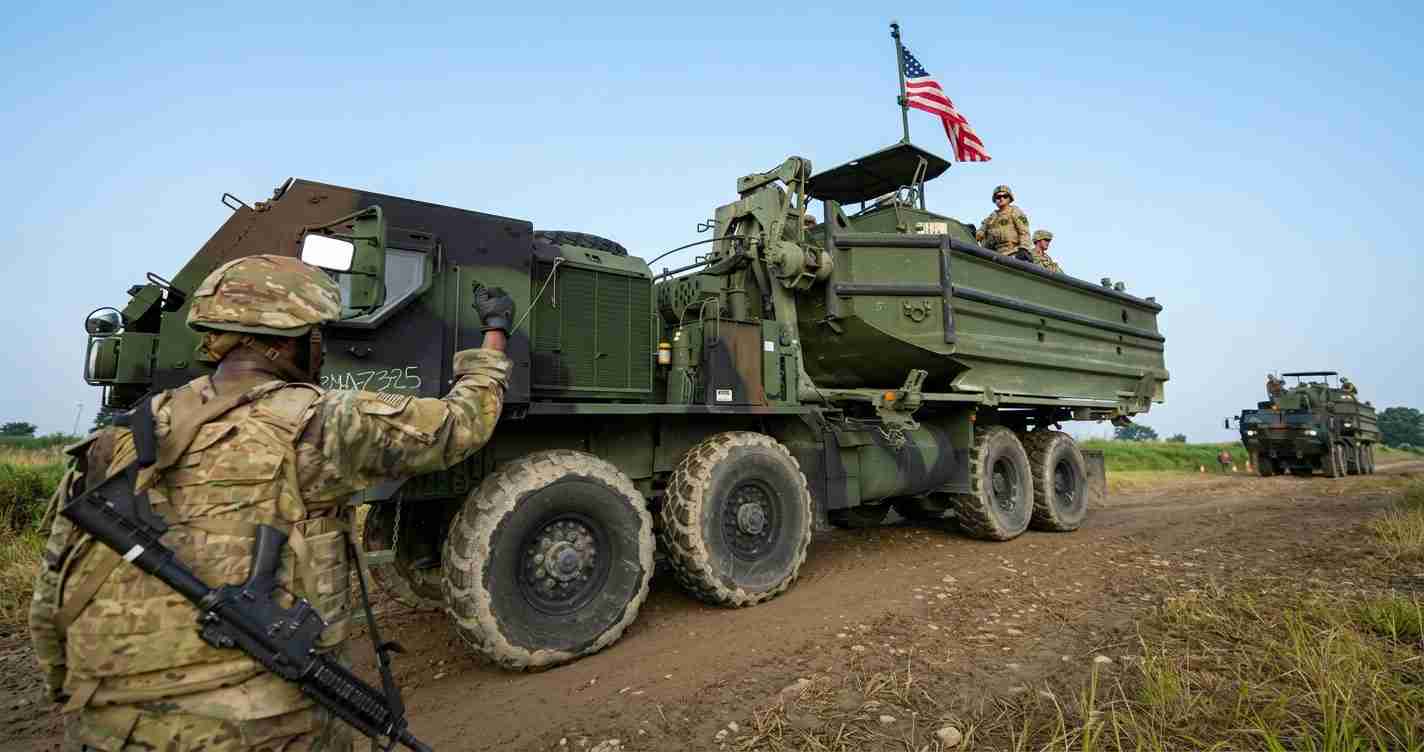
The IDF describes its steps as defensive measures to secure the border. Military spokespeople say the yellow line comprises a network of positions meant to detect and stop attempts to cross into Israeli territory. In recent days, the army has placed additional troops and specialized engineers along that line and added electronic detection tools and barriers, officials told Times Media Service.
The military noted the upgrades include seismic sensors, ground-penetrating radar and thermal cameras intended to pick up digging or movement underground before attackers can surface near populated areas. Officials said these steps are intended to protect civilians while Israel remains officially committed to the cease-fire (see IDF official statement and background on Israeli defensive strategy).
Hamas response and cease-fire strains
Hamas condemned the fortification as provocative and warned it could undermine the fragile truce. A group spokesperson said such moves risk sparking new rounds of fighting and described tunnel projects as defensive measures from their perspective.
“Any attempts to undermine the cease-fire will be met with action,” Hamas spokespeople warned, framing tunnel efforts as protective steps.
International reporting notes sporadic rocket fire and isolated exchanges across the border in recent weeks. Mediators have lodged complaints and urged restraint as both sides trade accusations over violations (see coverage of cease-fire tensions).
Why tunnels matter
Tunnels have been a persistent security concern for Israel for more than a decade. Armed groups have used tunnels to move fighters and weapons and to stage attacks inside Israel; even short, shallow tunnels near the border can enable surprise attacks or the placement of explosives under forward positions (see analysis on tunnels and impact).
To detect and stop underground construction, the IDF is deploying specialized engineering units and technical gear trained to detect, map and destroy tunnels. The installation of sensors and ongoing aerial surveillance aim to reduce surprise infiltration that could endanger soldiers and civilians alike (see technical background on counter-tunnel tech).
Humanitarian and civilian implications
The military build-up along the yellow line affects civilians on both sides. Border communities face stricter movement controls and higher alert levels. Humanitarian organizations warn that intensified military activity can complicate aid delivery and increase pressure on vulnerable populations in Gaza, where hospitals, water systems and food supplies already face serious challenges (see UN Office for the Coordination of Humanitarian Affairs).
International reaction
Egypt, the United Nations and other mediators have called for restraint and urged both sides to preserve the cease-fire to allow humanitarian work and negotiations to continue. Diplomats acknowledge Israel’s security concerns over tunnels while emphasizing the need to protect civilians (see Reuters Middle East coverage).
On-the-ground reporting and monitoring
Journalists and analysts note the recent IDF activity fits a wider pattern of posture adjustments along Gaza’s border in response to intelligence. Observers say use of sensors and drones has increased as technology for spotting underground movement improves (see reporting and analysis).
Regional analysts consulted by Times Media Service described the fortification as a defensive precaution intended to reduce the risk that militants could use the lull of a cease-fire to gain an advantage, while warning visible military moves can be misread amid mutual suspicion.
Implications for San Luis Obispo, California
Economic impact
- Local businesses: Air travel costs and insurance rate changes tied to international tensions can ripple into higher travel prices and reduced bookings, affecting tourism and university exchanges in San Luis Obispo.
- Aid and donations: Local charities and faith groups may see increased fundraising or donation drives to support civilians in Gaza, influencing nonprofit activities.
Political consequences
- Local officials may be asked to issue statements balancing calls for peace and civilian protection; constituents may contact representatives about U.S. policy, foreign aid or refugee resettlement.
Social effects
- Community tension and solidarity: Diverse local communities with ties to the region may see increased anxiety, vigils, and campus events.
- Student impact: Cal Poly and Cuesta College counseling centers and faith organizations could face greater demand for support.
Cultural relevance
- Faith groups and cultural centers often respond with interfaith services, educational forums and fundraising events.
- Local media and campus outlets may increase coverage to provide context and local connections to the conflict.
Practical applications for residents
- Travel and safety: Residents should monitor official travel advisory resources and airline guidance.
- Civic engagement: Contact representatives or support vetted humanitarian organizations.
- Local preparedness: Community groups can plan counseling sessions, information forums and civic dialogues to reduce misinformation and ease tensions.
Reporting note and sources
This report draws on statements from the Israel Defense Forces and public reporting by major international news organizations, along with humanitarian monitoring from the United Nations. For further reading and technical background, see: