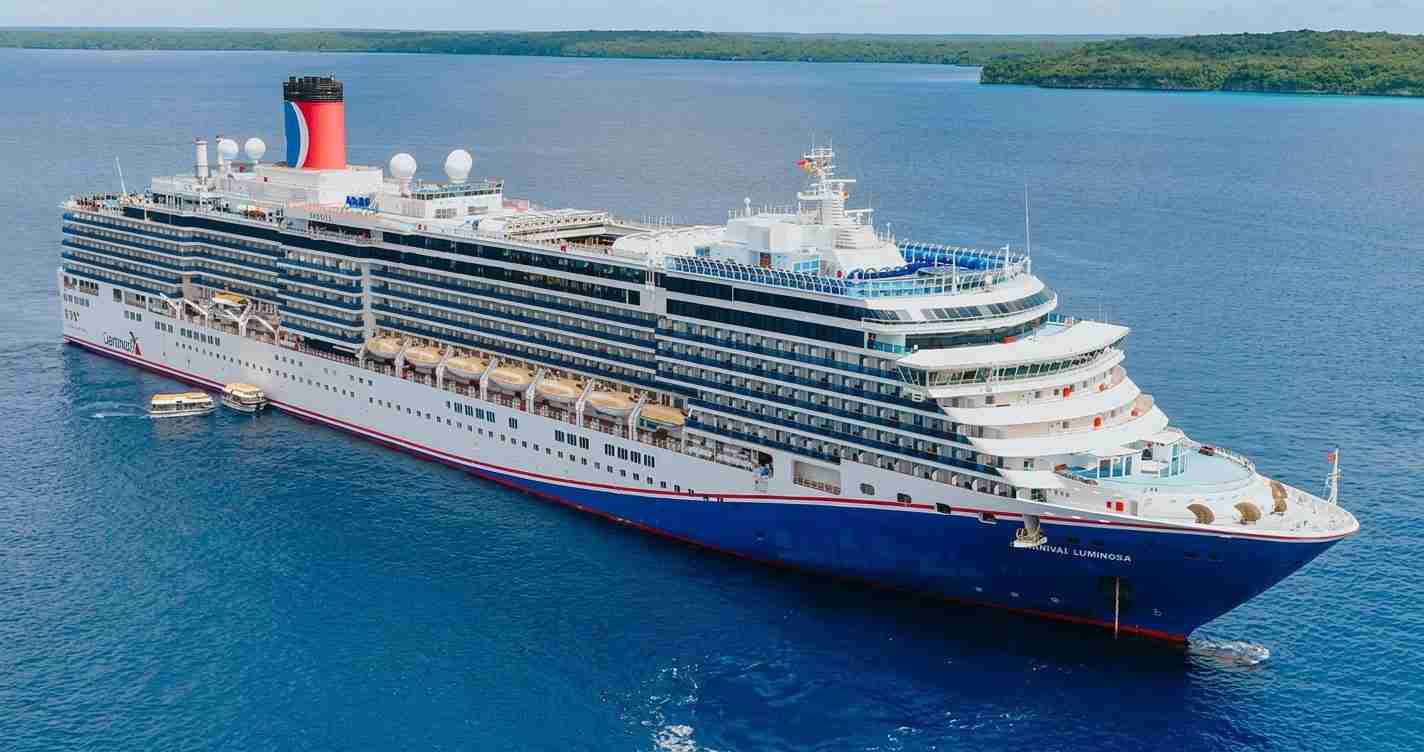
Carnival Lifou dress code reminder: Cruise line warns passengers to cover up in Lifou, New Caledonia
Carnival Cruise Line reminded guests aboard the Carnival Splendor ahead of its June 2 call to Lifou, New Caledonia, to wear conservative beachwear ashore — reflecting local Indigenous and religious norms and potential impacts on future port access.
- Pre‑port notice: Guests were advised to wear modest swimwear ashore ahead of the June 2 Lifou stop.
- Specific prohibitions: G‑strings, thongs, monokinis, mankinis and topless sunbathing were singled out as inappropriate.
- Respect and consequence: Carnival framed the guidance as honoring local customs and warned noncompliance could affect future port calls.
What passengers were told
Carnival’s pre‑port notice to passengers on the Carnival Splendor stated that Lifou is a “tribal island” with proud Indigenous communities and often strongly religious practices. Guests were asked to avoid skimpy swimwear — specifically G‑strings, thong bikinis, monokinis and mankinis — while ashore. The notice made clear that topless sunbathing is not allowed and that the guidance extends beyond beaches to markets, churches and community gathering spaces.
The advisory was summarized by Cruise Hive and presented as a response to local requests rather than a new global policy imposed by the line. Carnival’s own public guidance likewise urges guests to “respect the local culture and rules in the ports we visit” and notes some destinations require more conservative attire; see Carnival dress code information.
How this fits Carnival’s existing policies
Carnival’s formal dress code mainly addresses onboard dining and evening wear but already distinguishes between pool/deck attire and clothing appropriate for public or indoor spaces. The company states bathing suits are suitable for pool and sun areas but not for dining rooms or indoor venues, and asks guests to be respectful of other passengers and local communities.
The Lifou reminder applies that broader rule to a specific destination: Carnival lists Lifou among ports where communities prefer “traditional one‑piece or full‑piece swimsuits” and asks visitors to refrain from bikini or monokini‑type suits on the beach. The company framed the message as honoring local customs rather than imposing a new global ban.
Why Lifou’s customs matter
Lifou’s culture is rooted in Indigenous tradition and often conservative religious values. Many island communities view modest dress as a sign of respect, particularly in shared public spaces such as markets and churches. Cruise lines that ignore local requests risk offending host communities and triggering pushback that can include limits on tourist access.
Carnival warned that persistent noncompliance could jeopardize the line’s ability to call on Lifou in the future — a reminder of the reciprocal relationship between visitor behavior and port access.
“Respect the local culture and rules in the ports we visit” — Carnival Cruise Line guidance.
Passengers react: divided views
Online reaction among cruisers has been split. Some argued that beachwear choices are a personal right and common on many cruises; others said they would follow Lifou’s guidance out of respect and because some areas are family spaces. The debate underscores Carnival’s point that what is acceptable on board may not be welcome in host communities.
How destinations and cruise lines are handling dress codes
The Lifou advisory reflects a wider trend: destinations increasingly set rules about public dress and behavior, and cruise lines pass those rules along via pre‑port notices, daily bulletins and apps to prevent incidents and preserve port relationships. Some tourist areas worldwide fine or penalize visitors who travel through town in swimwear or engage in topless sunbathing outside designated zones.
Carnival’s message — highlighting preference for one‑piece or full‑coverage swimsuits and warning of potential impacts on future calls — mirrors communications from other lines that stress cultural respect and compliance with local norms.
Practical advice for travelers
- Pack at least one modest swimsuit: a one‑piece or fuller‑coverage two‑piece.
- Bring a cover‑up: T‑shirt, sarong, sundress or rash guard for markets, town and near churches.
- Avoid: G‑string and thong bikinis, monokinis, mankinis and topless sunbathing while ashore.
- Follow local requests: Pay attention to signs and community leaders; offending locals can affect future visits for all cruisers.
Implications for San Luis Obispo, California
The Lifou advisory has several local angles for San Luis Obispo (SLO) residents and businesses who engage with cruise travel or advise travelers:
Economic impact
SLO County benefits from tourism, and travel advisors and retailers should note growing demand for destination‑specific guidance. Travelers booking South Pacific itineraries may revise packing lists, which could increase purchases of modest swimwear, rash guards and cover‑ups locally.
Political consequences
For a politically moderate audience, the story highlights how private companies and foreign communities shape travel rules. Local leaders and tourism partners may emphasize cultural briefings in materials for international travel programs or sister‑city initiatives.
Social effects
Families from SLO who travel with children may welcome cruise lines prioritizing family‑safe environments ashore. Schools, churches and community groups organizing trips should consider updating pre‑travel briefings to include destination‑specific dress and behavior expectations.
Cultural relevance
SLO residents typically value respectful engagement with other cultures. The Carnival Lifou reminder aligns with local values of mutual respect; SLO travelers used to casual beachwear should be ready to adapt when visiting culturally conservative destinations.
Practical applications for SLO travelers
- Travel agents and the SLO County Visitors Bureau can advise clients to read pre‑port notices and pack accordingly.
- Local retailers may see demand for modest one‑piece suits, rash guards and cover‑ups before departures.
- Community groups can include short cultural orientation sessions stressing respect for local dress expectations.
Sources and background
This account is based on coverage summarized by Cruise Hive and on Carnival’s published dress code guidance at Carnival dress code information. These pages explain how Carnival balances a casual onboard atmosphere with expectations for respectful attire in dining rooms, enclosed venues and when visiting local ports.