Cruise door decoration rules ignite debate as lines cite safety, damage and theft
Miami, Florida (Times Media Service) — Cruise lines are enforcing stricter rules on stateroom door decorations, citing fire safety, adhesive damage and theft; passengers are urged to check each line’s policy before boarding to avoid disputes, confiscation or fines.
Key takeaways
- Safety first: Lines warn decorations can increase fire “fuel load” and introduce electrical risks.
- Property concerns: Adhesives and tape can damage door finishes, creating costly repairs.
- Theft and pranks: Reports of stolen magnets and vandalism have prompted stricter enforcement.
- Policy varies: Rules differ by line and ship — always review the latest guidance before travel.
What happened: Royal Caribbean notice sparks renewed fight over door decor
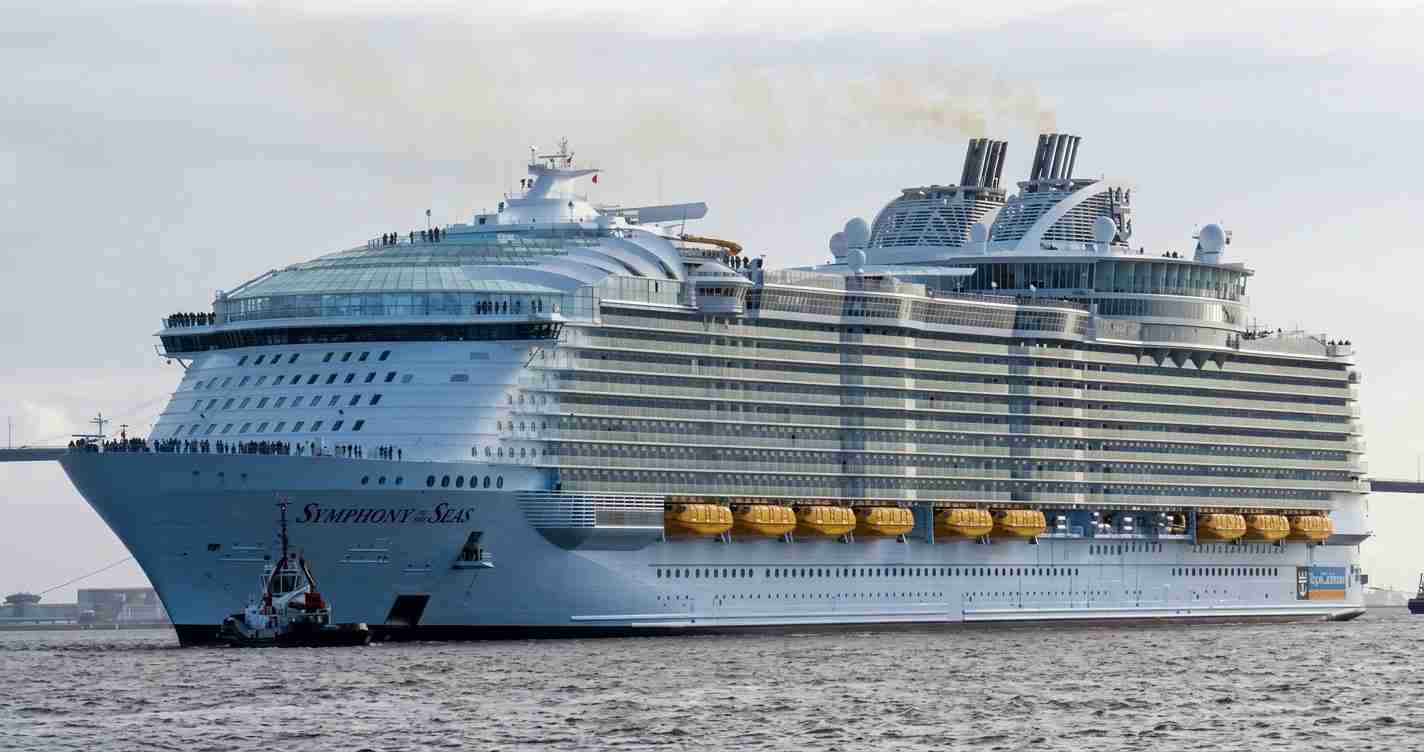
Recent enforcement began drawing attention when passengers aboard Royal Caribbean International’s Symphony of the Seas received a notice stressing a strict reading of rules that prohibit placing materials “anywhere on the interior of the ship, including stateroom doors and corridors.” The notice and related accounts reignited debate among frequent cruisers about whether the long‑running tradition of decorating cabin doors is being unfairly curtailed or is a necessary safety step. Coverage and a letter referenced in reporting by Cruise Hive helped publicize the dispute.
Why door decorations matter to passengers
For many vacationers, decorating a cabin door is more than an aesthetic choice. Guests use personalized signs, festive banners and colorful magnets to mark birthdays, honeymoons, family gatherings or a first cruise.
Decorations also serve a practical purpose: they make long, repetitive hallways easier to navigate — useful for groups or guests returning with bags and drink packages — and provide a social touch that helps strangers connect. On community platforms, users praise the fun and usefulness of décor while warning about theft and being the only cabin dressed up.
“Door decorations help groups find their staterooms in near‑identical corridors,” wrote one participant in an online discussion, while others cited theft and vandalism concerns.
Safety concerns driving enforcement
Cruise operators emphasize safety as the primary reason for tighter enforcement. Stateroom doors and corridor bulkheads are engineered to meet specific fire‑safety ratings designed to slow or stop fire spread. Operators argue that adding paper, glue or batteries can increase the fuel load and potentially alter how fire‑rated materials perform.
Lines also ban string lights and other electrical decorations because they introduce unplanned power sources and ignition risks. These restrictions align with strict, internationally regulated ship fire safety standards and aim to prevent items that could snag in narrow corridors or impede evacuation.
Property damage and maintenance costs
Beyond fire risks, lines cite wear and tear from adhesives. Many ships have metal cabin doors with painted or finished surfaces; heavy tape, superglue or strong adhesive strips can strip paint and leave residue requiring sanding, repainting or door replacement. Disney Cruise Line guidance explicitly warns against tape and gel adhesives because they can damage finishes; that advice is referenced in industry reporting collected by Cruise Hive.
Removing doors from service for repairs hurts operations and adds costs that affect fleet availability and maintenance schedules.
Theft, vandalism and onboard disputes
Another driver of stricter rules is reported theft and prank behavior. Custom magnets and personalized plaques have been reported stolen from multiple doors on some ships, and online forums recount pranks such as magnets being moved or turned upside down. These incidents create disputes that ship security and guest relations must manage.
Industry and community reporting highlights both isolated thefts and broader patterns of mischief that motivated some operators to tighten enforcement; community threads and message boards document many of these complaints, including conversations on the Royal Caribbean message‑board.
How cruise lines frame their door policies
Policies vary, but common themes appear across the industry. Some carriers allow magnetic decorations and low‑risk items with limits; others apply stricter readings or ship‑specific enforcement.
- Royal Caribbean: Recent notices aboard some ships emphasized that materials are not allowed anywhere on the interior of the ship, including doors and corridors, when a strict interpretation is enforced (reported via Cruise Hive).
- Carnival: Allows some decorations but requires items be fire‑retardant and bans string lights and other electrical items (policy references cited in industry coverage).
- Disney: Encourages magnetic decorations and explicitly warns against adhesives that can damage door finishes (guidance noted in reporting compiled by Cruise Hive).
How passengers are adapting
Faced with enforcement and theft, many cruisers are changing tactics:
- Use only magnets and avoid tape or adhesives that damage doors.
- Bring cheap or plain magnets so loss is less painful; some buy inexpensive decorations from discount stores.
- Photograph decorated doors at the start of the trip to document theft or vandalism for ship security review.
- Make decorations larger and less easy to remove quickly, or connect pieces to make them harder to steal while ensuring items stay flat and comply with fire rules.
- Some buyers have turned to small businesses selling custom cruise magnets online — for example, listings on the Etsy marketplace for custom cruise magnets.
Implications for San Luis Obispo, California
San Luis Obispo travelers and local businesses should note several local implications:
- Economic and travel planning: Local travel agencies and cruise‑bookers may need to update client advice and remind travelers to check current policies before packing.
- Community tradition and family travel: Central Coast families who prize personalized touches must weigh the risk of confiscation or removal.
- Consumer protection and disputes: If decorations are stolen or damaged, travelers should document loss with photos and ship security reports; local consumer advocates can assist with complaints or claims.
- Retail opportunities: Local shops selling inexpensive or magnetic decorations could see demand for low‑cost, non‑sentimental cruise magnets and marine‑safe adhesive alternatives.
- Public awareness: Community groups can balance messaging about the fun of cruising with reminders about ship fire safety and property rules.
Reporting and sources
This report draws on industry and community coverage, including a letter obtained and reporting by Cruise Hive, passenger discussions on the Royal Caribbean message‑board, and marketplace listings such as the Etsy marketplace for custom cruise magnets.
Note: Passengers should preserve receipts, photos and ship reports if seeking refunds, replacements or filing consumer complaints.