Investigation: Diablo Canyon extended operations — How pro‑nuclear lobbyists and tech money helped keep California’s last nuclear plant running to 2030
California’s last nuclear plant, Diablo Canyon, will now operate through at least 2030 under SB 846 (2022), a reversal driven by grid reliability worries and lobbying from pro‑nuclear, tech and venture capital‑linked interests.
- Legislative reversal: SB 846 (2022) authorized operations through 2029/2030 and provided state financial support.
- Broad coalition: A pro‑Diablo coalition of national/state nuclear groups, some climate voices and tech/VC‑adjacent actors lobbied for the extension (San Francisco Chronicle).
- Grid significance: Diablo Canyon supplies roughly 2,200–2,300 megawatts and about 8–10% of California’s in‑state electricity.
- Controversy: Critics said the process was rushed and that public funds were directed to a private utility (IJPR).
2016: The original shutdown deal
In 2016, PG&E agreed with major environmental and labor groups to retire both Diablo Canyon reactors by 2024–2025. The deal aimed to replace output with renewables and efficiency rather than new fossil generation. At the time, then‑Lt. Gov. Gavin Newsom and other leaders supported the plan and called the plant unnecessary for California’s clean energy future (San Francisco Chronicle).
Why the closure was reversed
Between 2020 and 2022 California experienced rolling blackouts, extreme heat and grid stress that raised concerns about reliability as electrification increased. Geopolitical events and higher natural gas prices added pressure. Critics argued the clean energy build‑out was not moving fast enough to replace Diablo’s steady output (San Francisco Chronicle; IJPR).
The 2022 legislative push and SB 846
In late 2022 Gov. Gavin Newsom and legislative leaders advanced SB 846 (2022) as part of a broader energy package. The bill cleared the Legislature near the end of session, allowing Unit 1 to run through 2029 and Unit 2 through 2030, subject to regulatory approvals. It also authorized a state loan of up to $1.4 billion to help PG&E cover relicensing and upgrades (IJPR).
Opponents warned the measure moved too quickly, limiting public review and debate about alternatives and long‑term costs (IJPR).
Who lobbied for the extension: pro‑nuclear, tech and venture capital actors
Reporting shows a broad pro‑Diablo coalition drove the 2022 push: national and state pro‑nuclear organizations, some climate scientists and modelers, and business and tech interests that framed reliable power as essential for growth. Tech and venture capital‑linked voices argued that keeping Diablo would help meet rising demand from data centers and electrification (San Francisco Chronicle; IJPR).
Proponents’ case
Supporters argue Diablo Canyon delivers continuous, zero‑carbon generation that solar and batteries alone cannot yet fully replace.
“Diablo Canyon is the backbone of the California clean, reliable electrical system,” said Richard St. Onge, a consultant with the American Nuclear Society.
They warn an early shutdown could increase gas generation or imports, raise blackout risk and slow climate progress (San Francisco Chronicle).
Opposition and environmental concerns
Opponents said the extension risks slowing renewables and storage deployment by redirecting attention and funds to prolonging nuclear. They cited safety concerns related to aging infrastructure and seismic risks, and raised issues with the plant’s once‑through cooling and marine impacts. Environmental advocates questioned whether mitigation fully addresses those harms (IJPR; CalMatters).
Regulatory and permit milestones since SB 846
After SB 846, regulators aligned approvals with the new law. The California Public Utilities Commission issued a conditional decision in December 2023 approving extended operations through 2029/2030, subject to federal licensing and safety conditions (San Luis Obispo County planning pages).
In 2025 the California Coastal Commission approved coastal development permits after negotiations over marine mitigation; PG&E agreed to conserve roughly 4,000 acres around the plant as part of mitigation commitments (CalMatters).
At the federal level PG&E applied to the U.S. Nuclear Regulatory Commission in 2023 for a 20‑year license extension — an application that, if approved, could allow operation into the mid‑2040s. Any operation past SB 846 limits would still require new state action (NucNet).
Current legal status and prospects for further extension
Under current California law Diablo Canyon may operate only through 2030 per SB 846 and CPUC approvals. PG&E’s NRC filing indicates the company may pursue longer federal life, and observers expect renewed pressure to extend the plant again as demand grows and new loads such as AI data centers emerge. Extending past 2030 would require new state legislation or policy changes (San Francisco Chronicle; CalMatters).
How important is Diablo Canyon to the grid?
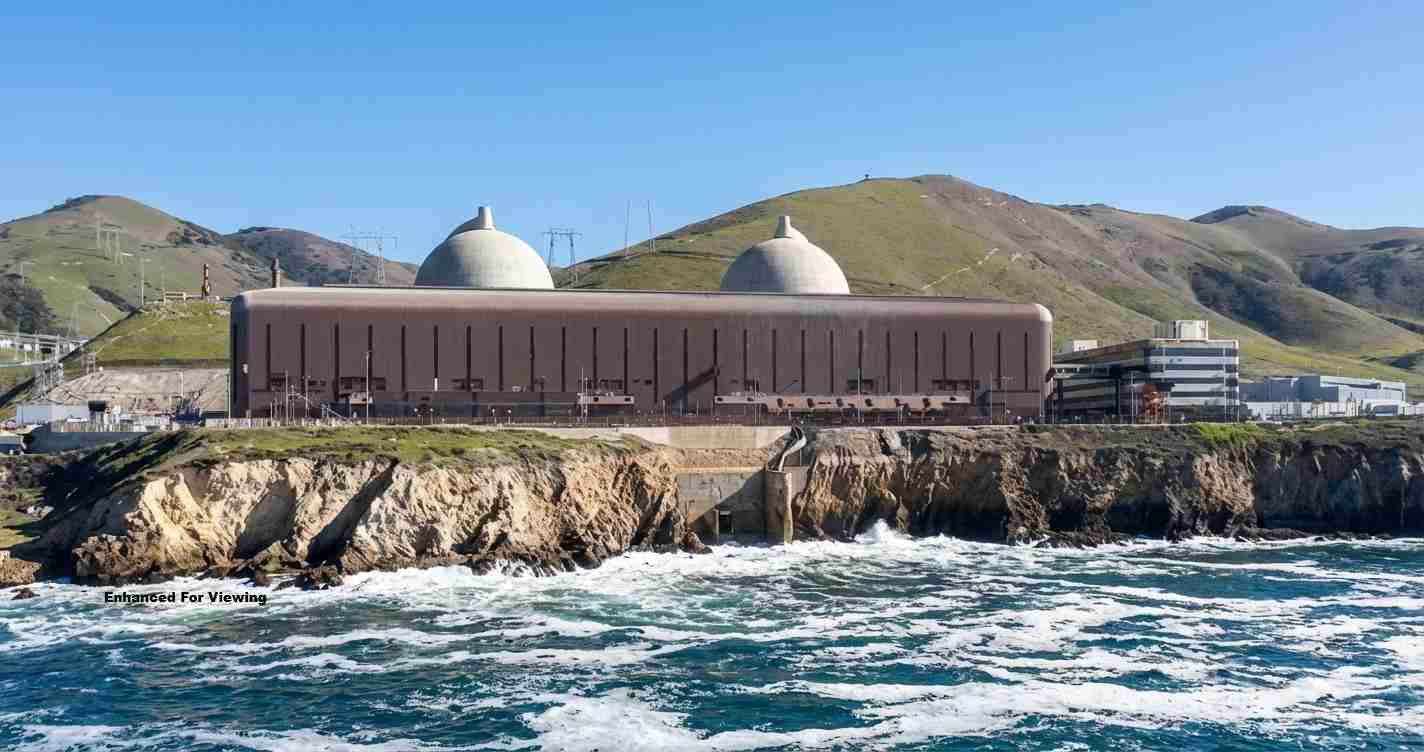
Diablo Canyon is the state’s last commercial nuclear plant. It generates about 2,200–2,300 MW and supplies roughly 8–10% of California’s in‑state electricity — a notably large share of firm, carbon‑free power that can run continuously. Supporters say that stable output is critical while renewables, storage and other firm clean resources scale up (San Francisco Chronicle; IJPR).
Local and fiscal impacts in San Luis Obispo County
The plant is a major employer and tax source for the county. Plans assuming a 2025 shutdown were disrupted by the extension; county and city officials have pushed to reinstate unitary tax treatment so host communities capture more revenue while the plant remains in service (KSBY).
Implications for San Luis Obispo County
Economic impact: The extension preserves jobs and local revenue for at least five years, supporting schools, fire districts and county services. Negotiations over unitary tax status could shift how much revenue stays local (KSBY; San Luis Obispo County planning pages).
Political consequences: Local leaders must balance job and revenue priorities with environmental and resident concerns. The 2022 process, which some viewed as rushed, has increased pressure for transparency and local input on any future extensions (IJPR).
Social and cultural effects: Communities face uncertainty about long‑term plans. The extension delays some decommissioning and economic transition work, while unions and local workers favor job security. At the same time environmental groups remain active, and coastal permit negotiations linked conservation to energy policy (CalMatters).
Reporting notes and sources
This investigation draws on reporting and official documents, including:
- San Francisco Chronicle
- San Luis Obispo County planning pages
- IJPR public radio analysis
- CalMatters reporting on coastal permits
- NucNet coverage of PG&E’s federal license application
- KSBY local tax reporting
For deeper reporting, public records on lobbying and campaign finance around SB 846 (2022) could clarify money and influence flows. Further investigation could also model emissions and reliability outcomes with and without Diablo Canyon operating beyond 2030.