Senate approves $901B fiscal 2026 NDAA; Trump defense bill expected to be signed as lawmakers secure military pay raise and acquisition reforms
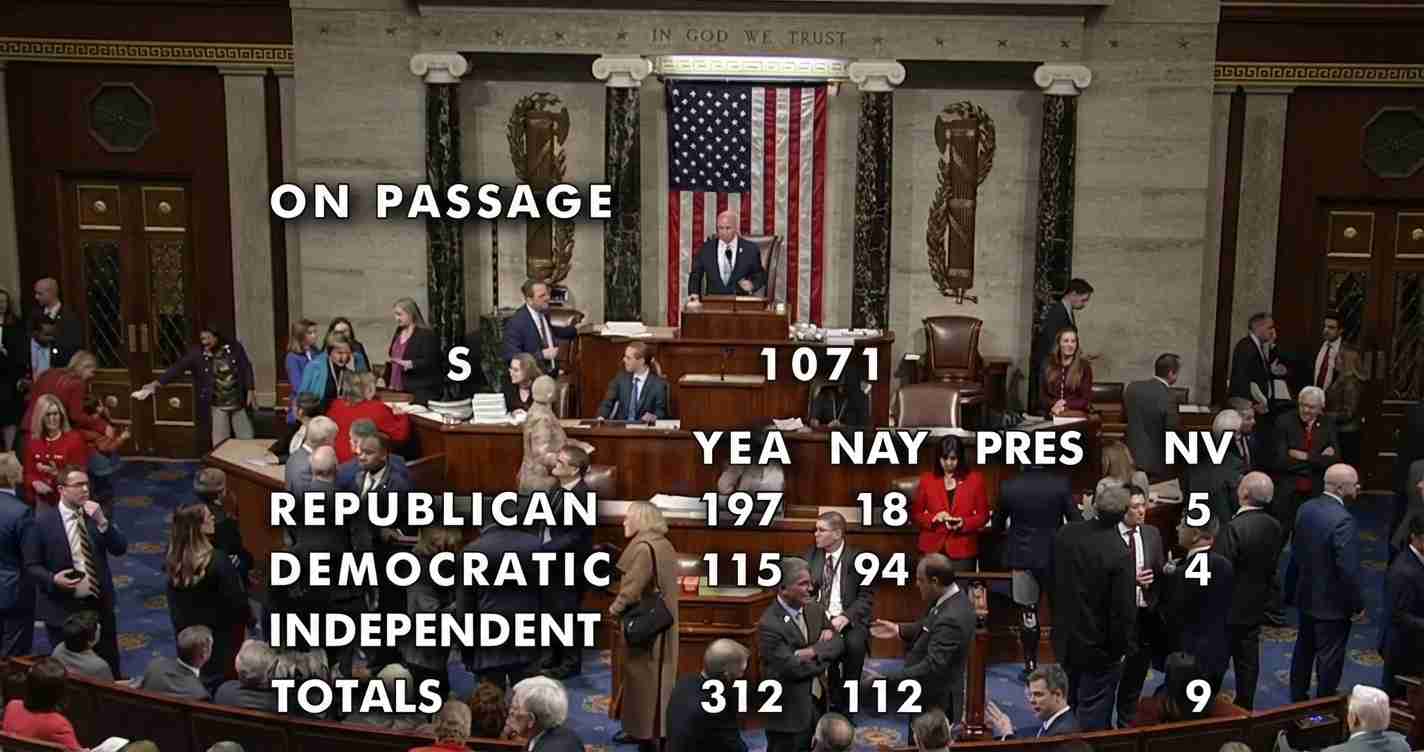
The Senate approved the fiscal 2026 National Defense Authorization Act, a roughly $901 billion package that includes a service-member pay raise, continued Ukraine assistance, and sweeping acquisition reforms now awaiting President Trump’s expected signature later this month.
- Bipartisan Senate passage: The NDAA cleared the Senate 77–20 after House approval; it now moves to the White House. (Breaking Defense, Politico)
- Funding and scope: Authorizes about $900.6 billion for DoD and DOE national security programs (commonly rounded to $901 billion). (Breaking Defense, Politico)
- Key provisions: Includes continued assistance authorities for Ukraine, NATO/Baltic posture language, a major military pay raise, and broad acquisition reforms. (Jerusalem Post, Breaking Defense)
- Authorization vs. appropriation: The NDAA authorizes programs and policy; separate appropriations are required to actually fund them. (Politico)
What the vote means and where the bill stands
The fiscal 2026 NDAA cleared the Senate on Dec. 17 by a 77–20 bipartisan margin. Senators from both parties framed the action as a demonstration of U.S. commitment to deterrence and modernization even amid heated domestic politics. The measure has been transmitted to the White House and is widely reported as likely to be signed by President Trump, despite prior White House reservations on some provisions.
Important distinction: passage of the NDAA does not itself obligate funds — it is an authorization. Congress must pass separate appropriations bills to actually fund the programs and initiatives authorized in the NDAA. (Politico)
Topline funding and priorities
Media reporting describes the bill as authorizing roughly $900.6 billion in national defense and related energy security spending (commonly rounded to $901 billion). That total is about $8 billion more than the White House requested and covers a broad set of Department of Defense activities as well as nuclear-related programs at the Department of Energy. (Breaking Defense, Politico)
Military pay raise: what’s in the bill
One headline item is a pay increase for U.S. service members. Reporting confirms the text includes a significant raise meant to help recruitment and retention. Coverage emphasizes a meaningful boost in compensation; some analysis places it near prior-year increases (around 4%), but initial summaries do not uniformly state a single exact percentage. (Breaking Defense, Politico)
Ukraine, Europe and posture language
The NDAA maintains broad bipartisan support for Ukraine with authorities and funds to assist Kyiv and strengthen NATO’s eastern flank and the Baltic states. At the same time, the bill includes provisions that reflect Republican emphasis on increased scrutiny of U.S. overseas posture, including reporting requirements and conditions that could influence future force decisions. Reporting does not identify an explicit near-term cap on European troop levels; rather, the text focuses on oversight, transparency, and potential posture adjustments over time. (Breaking Defense, Politico, Jerusalem Post)
Acquisition reform, policy changes and partisan politics
Lawmakers hailed sweeping acquisition reforms as a major feature. Senate Armed Services Committee Chair Roger Wicker described the changes as “the most sweeping upgrades to these business practices in 60 years,” according to reporting. The reforms are intended to accelerate how the Pentagon buys and fields new technologies and to open the department to commercial innovation. (Breaking Defense)
The NDAA also codifies aspects of earlier executive actions and includes provisions that roll back parts of Pentagon diversity, equity and inclusion programs — measures championed by Republicans and criticized by some Democrats. That combination helped produce a bipartisan coalition with both parties claiming wins. (Breaking Defense, Politico)
White House reservations
Reports indicate the White House had specific concerns about provisions such as an oversight measure tied to releasing Pentagon footage from a recent “boat strike” incident. Despite those tensions, the administration is widely reported to be poised to sign the NDAA; at the time of publication, however, a presidential signature had not been publicly recorded in major coverage. (Politico)
Implications for San Luis Obispo, California
Economic impact
A $901 billion authorization and a notable military pay raise can translate into more spending power for service members and families in San Luis Obispo County. Increased pay typically raises local consumer spending at Main Street businesses, restaurants, and service providers. Local contractors and suppliers — including those tied to Camp San Luis Obispo and firms that hire Cal Poly graduates — may see opportunities from sustained defense modernization contracts.
Political consequences
The mix of bipartisan Ukraine support and measures to rein in some overseas commitments could resonate with the county’s moderate electorate. Voters prioritizing fiscal oversight may welcome acquisition reforms and transparency provisions, while those focused on global stability will note continued aid for allies. Local officials may face pressure to balance support for troops with concerns about long-term federal spending.
Social effects
A military pay raise can improve recruitment and retention, including for National Guard units that draw from nearby communities. More-stable pay and benefits reduce stress for military families, affecting local schools, health services, and housing demand. Expanded funding for veteran programs could benefit clinics and nonprofits serving San Luis Obispo County veterans.
Cultural relevance
San Luis Obispo County has longstanding community support for service members and veterans. Measures that raise troop pay and back defense readiness are likely to be framed locally as support for service — a message that typically finds cross-partisan acceptance in community forums and ceremonies.
Practical applications for residents
- Military families: Expect a near-term boost in take-home pay if appropriations follow authorization, easing household budgets.
- Local businesses: Firms offering housing, food, healthcare, and professional services to service members and veterans may see modest demand growth.
- Nonprofits: Organizations assisting military families could stretch donations further if federal raises reduce immediate financial need.
Reporting note
This story reports the Senate passed the fiscal 2026 NDAA and that President Trump is widely expected to sign it. At publication, major coverage indicates the bill has been transmitted to the White House but contains no recorded presidential signature. For the full NDAA text, exact pay-raise percentages, and statutory language on force posture or reporting requirements, consult the bill text and committee reports as they are released by Congress and the Department of Defense. (Breaking Defense, Politico, Jerusalem Post)