Trump orders Pentagon to begin nuclear weapons testing, citing Russia and China
President Donald Trump ordered the Pentagon to begin nuclear weapons testing, saying on Truth Social the process would start “immediately” to match Russia and China — a decision that could end the U.S. moratorium and raise global alarm.
- Immediate instruction: Trump wrote on Truth Social that he had directed the Pentagon to “start testing our Nuclear Weapons on an equal basis” and that “that process will begin immediately.” — Source
- Drivers cited: The announcement explicitly referenced recent Russian missile activity and expanding Chinese capabilities as triggers for the decision — Source
- Unclear scope: Officials had not clarified whether the order refers to explosive detonations, subcritical tests, or preparatory activities, and no White House or Pentagon details were available at the time — Source
What the president announced
In a post on Truth Social, President Trump said he had instructed the Pentagon to “start testing our Nuclear Weapons on an equal basis” because of “other countries testing programs,” adding that “that process will begin immediately.” The post framed the order as matching other nations’ activities and ensuring the U.S. arsenal remains dominant. Source
“Because of other countries testing programs, I have instructed the Pentagon to start testing our Nuclear Weapons on an equal basis. That process will begin immediately.” — Truth Social post attributed to President Donald Trump. Source
Context: Russia and China cited
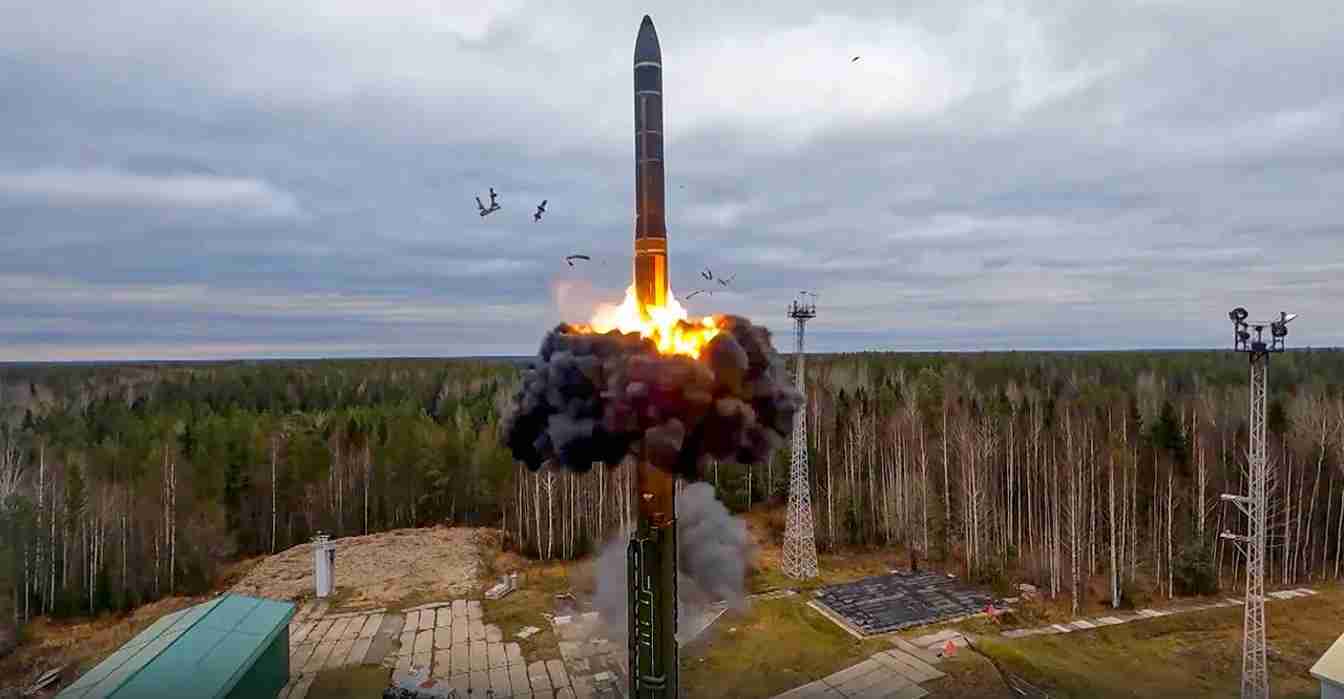
The announcement closely followed Moscow’s statement that it tested a nuclear-powered cruise missile often referred to as Burevestnik or “Skyfall” in NATO reporting. Russian officials, including Gen. Valery Gerasimov, described an Oct. 21 test as successful; the president’s post explicitly cited Russian missile activity and growing Chinese capabilities as immediate triggers. Source
What “nuclear testing” historically means
Explosive detonation: When officials and analysts reference “nuclear testing,” they most often mean a controlled detonation of a nuclear device. The United States last conducted a nuclear detonation in 1992; Russia’s last detonation was in 1990 and China’s in 1996. Since the mid‑1990s most nuclear powers have observed a de facto moratorium. Outside those historical tests, only North Korea has carried out detonations in recent decades. Source
Important distinction: The Russian action cited — the test of a nuclear‑powered cruise missile — was not an explosive nuclear detonation but a demonstration of delivery technology that reportedly involved a nuclear‑powered engine or component, which experts say is distinct from explosive testing for legal, environmental, and diplomatic reasons. Source
Treaties, norms and legal questions
The United States signed the Comprehensive Nuclear‑Test‑Ban Treaty (CTBT) in 1996 but never ratified it; the treaty helped establish an international norm against explosive nuclear testing and underpinned a long‑standing moratorium. A U.S. decision to resume explosive testing would have broad diplomatic consequences and could weaken near‑universal restraints built over decades. Source
At the time of the announcement there was no official clarification from the White House or the Pentagon on whether the order referred to detonations, subcritical experiments, non‑explosive testing, or preparatory steps — each of which carries different legal, environmental and diplomatic implications. Source
Diplomatic and strategic fallout
Analysts warn that a U.S. return to explosive testing could trigger reciprocal responses from other nuclear powers, erode arms control norms, and accelerate weapons programs globally. The timing is sensitive: the announcement arrived ahead of a planned Trump–Xi meeting at a regional summit in South Korea, increasing the potential diplomatic ramifications. Source
How the Pentagon might proceed — and why it’s unclear
The U.S. maintains a complex weapons stewardship program encompassing warhead modernization, non‑explosive tests, subcritical experiments, and extensive computer modeling to certify reliability without detonations. The president’s directive did not specify which tracks — explosive or non‑explosive — it targets. Practical steps to resume explosive testing would require technical, logistical, legal and political work, and would provoke intense international reaction. Source
Environmental and safety concerns
Explosive nuclear testing has historically caused environmental contamination and public‑health impacts in test areas. Resuming detonations would raise immediate objections from environmental groups, affected communities, and neighboring nations. Even preparatory activities — such as weapon assembly, transport, or infrastructure changes — could prompt local protests and demands for transparency. Officials have not said whether tests would occur on U.S. soil, overseas ranges, or in Pacific test areas historically used in the Cold War. Source
Implications for San Luis Obispo, California
Economic and community concerns: San Luis Obispo County, home to the Diablo Canyon nuclear plant and a coastal economy based on tourism, agriculture, and education, could face perception‑driven economic impacts even if no tests occur nearby. Local officials and business leaders may press federal authorities for clear explanations to avoid economic fallout. Source
Public safety and emergency planning: County and city emergency planners may seek guidance on potential risks. Historically, nuclear tests have been conducted far from population centers, but any change in policy prompts reviews of preparedness by school districts, health agencies, and first responders. Source
Environmental and scientific reaction: Regional universities and research institutions, along with environmental groups, are likely to raise concerns about contamination, ocean testing corridors, and broader environmental footprints. Operators and regulators at Diablo Canyon focus on civilian power safety, but federal nuclear policy changes could revive local debates over energy and protection. Source
Military and range considerations: While San Luis Obispo does not host major strategic weapons test ranges, the Central Coast is near Pacific test corridors and bases used for missile and space launches. Local leaders may ask whether testing could affect coastal airspace, shipping lanes, or fisheries; federal agencies and range authorities would need to coordinate if tests were planned. Source
Political and civic implications: San Luis Obispo’s community‑focused voters and civic groups may demand transparency and could organize forums or demonstrations calling for restraint and clarity about health and economic risks. Source
What remains unknown and next steps
Key questions remain: does the order intend immediate explosive detonations or enhanced non‑explosive testing? Where would tests occur? What oversight, legal reviews, and environmental assessments will apply? The White House and Pentagon had not provided clarifying statements at the time of this report. Observers say international reaction and technical, legal and political steps will determine what actually happens next. Source
For the latest developments, statements from the White House and the Department of Defense will be closely watched, as will responses from allied governments and arms‑control organizations. Full reporting and on‑the‑ground responses in communities such as San Luis Obispo will follow as federal agencies provide details and local leaders seek assurances on safety, environment and economic impacts. Source