Experts examine San Luis Obispo’s power grid stability, local attack risks, and the impact of a nuclear EMP on essential services – Local Grid Security and EMP Threats Explained
 San Luis Obispo power grid stability
San Luis Obispo, California (Times Media Service) – San Luis Obispo’s power grid is among California’s strongest, but experts warn that local attacks or a nuclear EMP could threaten stability and disrupt daily life. Understanding these risks is vital for residents, businesses, and emergency services.
San Luis Obispo’s Power Grid: Strengths and Structure
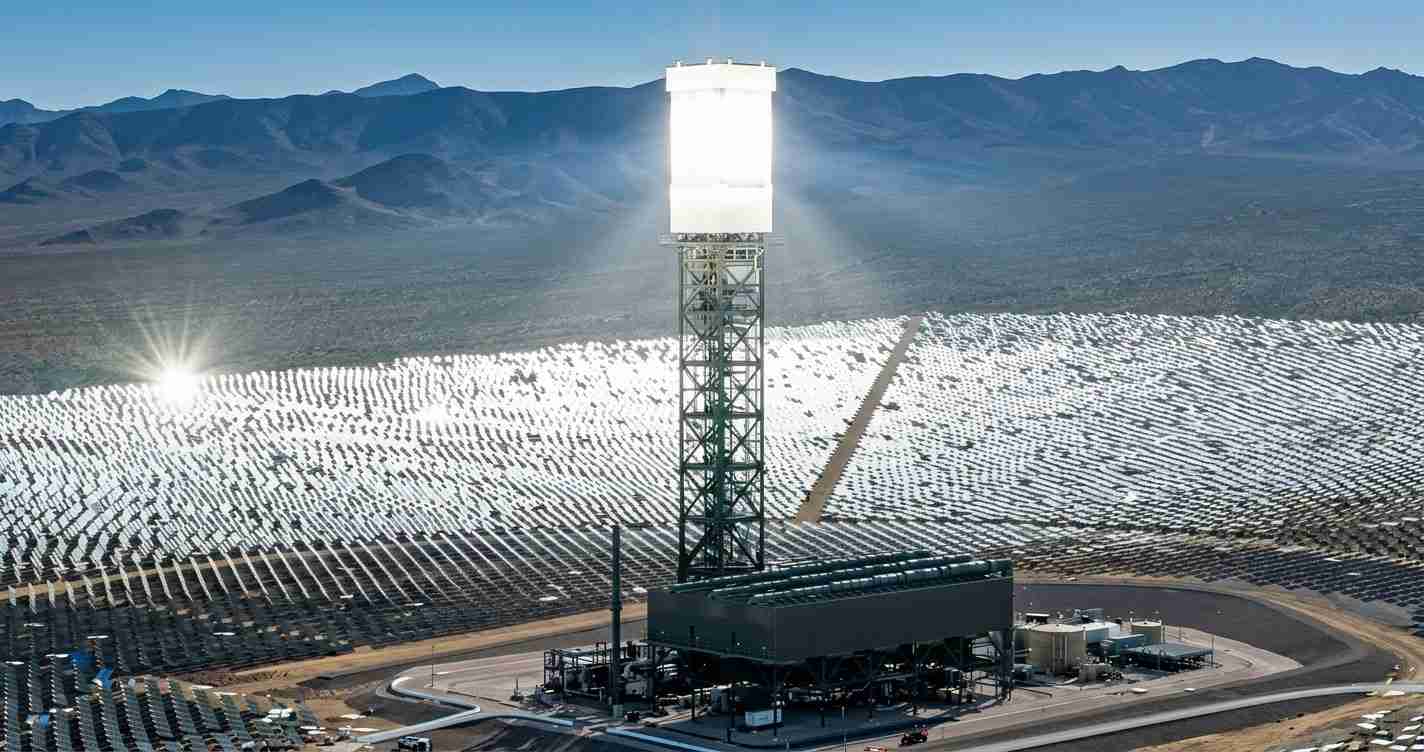
San Luis Obispo County ranks among California’s top electricity producers. The Diablo Canyon nuclear plant is the county’s largest energy source, providing reliable power to the region. Additional electricity comes from solar farms, hydroelectric plants, and landfill gas facilities. The local grid is designed with backup systems to keep electricity flowing, even if one part fails. Most outages here are caused by storms or fallen trees, not large-scale grid failures.
Why Grid Stability Matters for San Luis Obispo
Grid stability ensures homes, hospitals, and businesses have continuous power. If the grid becomes unstable, brownouts or blackouts can occur. This can damage electronics, halt business operations, and put lives at risk. Operators work around the clock to balance supply and demand, making sure the grid stays reliable every minute.
Local Attack Risks: How Vulnerable Is Our Grid?
A local attack could target substations or control centers. If these sites are damaged, parts of San Luis Obispo could lose power. Most likely, the outage would remain local, but if several key sites were hit, the impact could be wider. Utilities use fences, cameras, and alarms to protect critical infrastructure. Emergency drills help teams respond quickly to any threat.
Nuclear EMP: What Would Happen to the Power Grid?
A nuclear electromagnetic pulse (EMP) is a burst of energy from a nuclear explosion high above the ground. An EMP can damage electronics and power equipment over a wide area. In most cases, the grid’s backup paths can handle a few failures. But a strong EMP could damage transformers, which are hard to replace. If many transformers failed, it could take weeks or months to restore power. Communication systems and computers could also be affected, making recovery more difficult.
How San Luis Obispo and California Prepare
California invests in grid reliability by adding clean energy sources and battery storage. The Diablo Canyon plant remains open to support grid stability. Officials work with federal agencies to protect against cyber and physical attacks. Emergency plans are updated regularly to handle new threats.
What Residents Can Do to Prepare
- Stay informed about local power issues.
- Keep flashlights, batteries, and phone chargers handy.
- If you use medical equipment, ask your provider about backup power.
- Support local efforts to improve grid security and invest in renewables.
The Importance of Power Grid Security
Power grid security is crucial for San Luis Obispo’s safety, economy, and daily life. While the grid is strong, it still faces risks from attacks and extreme events. Being prepared and supporting grid improvements helps keep the community safe and powered for the future.
Alexander Murphy / Science and Tech Writer (Times Media Service)
amurphy@timesmediaservice.com