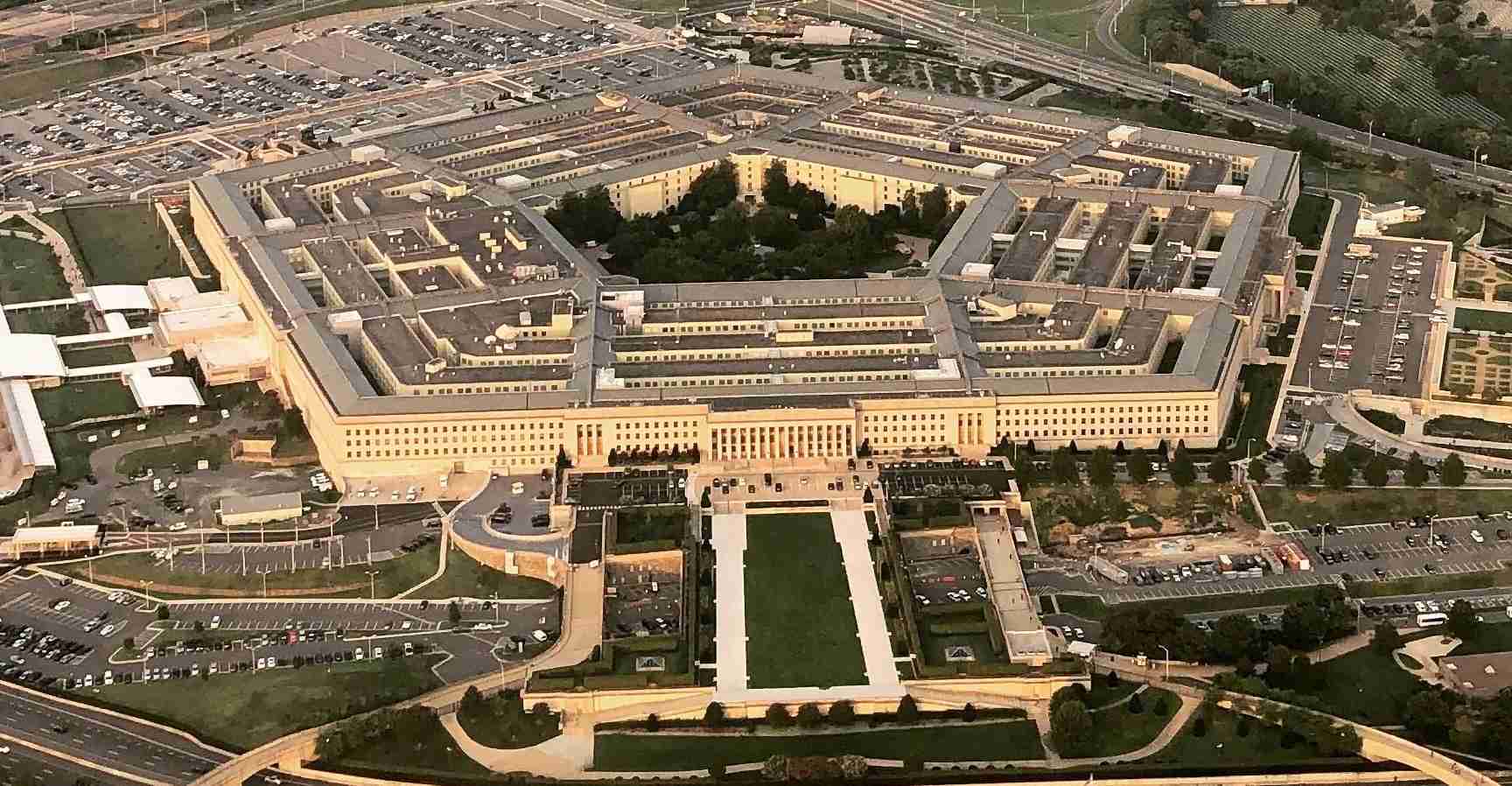
Pentagon Accepts $130 Million Anonymous Donation to Cover Troop Pay Amid Shutdown
The Pentagon accepted a $130 million anonymous donation Oct. 23 to maintain military pay and benefits during the government shutdown, a move that has prompted legal, ethical and transparency debates while officials work to ensure timely salaries for service members.
- Donation: $130 million accepted Oct. 23, 2025
- Donor: Anonymous — reported by Military.com and described by President Trump as “a longtime friend” (AOL)
- Legal basis: Accepted under the Defense Department’s general gift authority
- Concerns: Transparency, precedent for private funding of payroll, and appropriations-law questions (Economic Times analysis)
Background: What happened, and why it matters
On Oct. 23 the Defense Department formally accepted the private offer of $130 million intended to offset troop salary and benefit costs while Congress remains deadlocked. Pentagon officials say the gift will offset troop salary and benefit costs during the ongoing shutdown.
President Trump publicly described the donor as “a longtime friend” who wished to remain anonymous and called the contribution patriotic during a White House roundtable; contemporaneous coverage is available from AOL.
Accepting private funds for payroll is notable because military pay is normally a core government function funded by congressional appropriations, and the move raises questions about the role of private money in public services during budget conflicts.
Legal framework and ethical questions
The Department says it relied on its general gift authority, a legal mechanism that permits agencies under certain conditions to accept gifts for official use; the Pentagon asserts the gift was accepted consistent with that authority (official notice).
Legal scholars and watchdogs are divided. Critics contend the use of private donations to cover payroll could create a backdoor for private influence and run counter to the spirit of federal appropriations law, while supporters say the gift addresses an immediate humanitarian need to keep troops and families paid (analysis).
Transparency concerns
The donor’s anonymity is central to calls for accountability. Pentagon officials have not released identifying information or a detailed plan showing how the $130 million will be allocated across services, pay periods, or benefit categories (Pentagon statement).
Lawmakers and watchdog groups are seeking disclosure to ensure private funds do not influence policy or favor particular units. Journalists and oversight groups want documentation on timing, distribution mechanics, and whether funds will arrive in time for upcoming paydays.
Fiscal trade-offs: diverting other funds
Officials acknowledge the Pentagon has also shifted money from research and development accounts to keep paychecks flowing, highlighting the financial strain the shutdown imposes on defense priorities. Those trade-offs raise longer-term concerns about readiness and modernization should R&D be repeatedly tapped to cover personnel costs.
Political reactions
The administration framed the donation as an urgent fix and criticized Democratic lawmakers for impeding appropriations. Critics across the political spectrum argue private funding should not substitute for congressional responsibility (coverage).
Senators and representatives have requested briefings on the donation and the legal steps the Defense Department followed. Oversight experts say Congress should review whether gift-authority use here was appropriate and whether new rules are needed to limit anonymous private funding for core government functions.
Use of funds: what the Pentagon says
The Pentagon states the donation is earmarked for salaries and benefits for service members, but has not provided a precise breakdown for active duty, reserve, or specific pay types. The department asserts the gift will be applied according to internal policies and federal law (official notice).
Watchdogs and journalists are pressing for proof of disbursement timing and assurances that the gift will not create unequal outcomes or administrative complications within payroll systems.
Precedent and the future of private funding for the military
Historically, private donations to the military have funded morale and support programs, not routine payroll. Using private money to meet payroll at this scale may be unprecedented and could alter civil-military norms and democratic accountability if it becomes an expected backstop (reporting).
Key open questions include who decides which private gifts are acceptable, what disclosure is required, and whether donor conditions can influence policy. Experts say these issues deserve swift legislative and oversight attention (analysis).
Source documents and coverage
Implications for San Luis Obispo, California
Economic impact: San Luis Obispo County, home to active-duty service members, veterans, and military families, may see short-term relief if paychecks are maintained. Local businesses that serve military families could also avoid immediate revenue drops while the funds hold out.
Political consequences: Residents who value transparency and civic responsibility may press local and federal representatives for oversight; Central Coast lawmakers may seek hearings to clarify whether accepting anonymous donations for troop pay is appropriate.
Social effects: Military families in the area could feel immediate relief, but the donor’s anonymity may sow unease among veterans’ groups and family-support organizations demanding clarity and accountability.
Practical guidance: For military families: keep pay stubs and monitor official service channels for notices about covered pay periods. For businesses: plan for some stabilization but maintain contingency plans. For voters and civic groups: contact representatives to request disclosure and safeguards.
Ongoing questions
Key unresolved issues include how the Pentagon will administer the funds, who the anonymous donor is, and whether Congress will end the shutdown so military pay depends on law rather than private gifts or internal account shifts (Full reporting).
Lawmakers, watchdogs and journalists are expected to push for documentation, legal review, and possible new rules to prevent anonymous private funding from supplanting congressional appropriations for core government obligations.